


A Simple Guide to Brewing Your Very First Cup
Welcome to the World of Tea
Tea has been a source of comfort and connection for centuries, yet the ritual of brewing a single perfect cup is something anyone can master. Whether you are drawn to the floral lift of a Darjeeling first flush or the deep malt of an Assam black, getting started is simpler than you think.
At ZYANNA, we believe great tea begins with great leaves. That is why we source over 150 varieties directly from small-scale tea growers across the Himalayan region, Assam, and other fertile Indian estates. By working directly with the estates that tend the plants, we ensure the freshest possible harvest reaches your cup while supporting the communities behind each leaf.
This guide will walk you through the essentials: the handful of tools that make brewing easier, the importance of water quality and temperature, how long to steep each type of tea, and what to do when a cup turns out too weak or too bitter. Before you know it, brewing a delicious cup will become a natural part of your day.
Why Whole Leaf Tea Matters
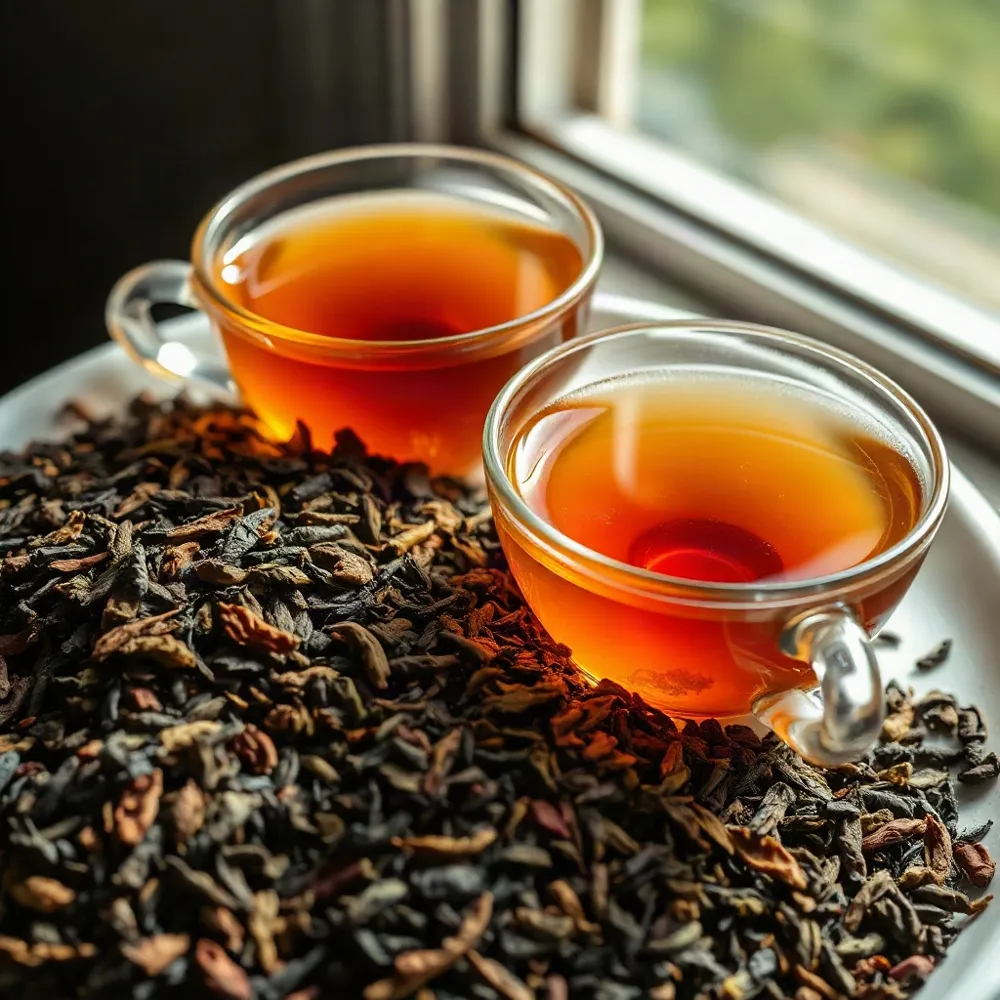
The first decision you make on your tea journey is whether to reach for a tea bag or whole leaves. Whole-leaf tea leaves need room to expand, releasing aroma and flavour gradually as the water circulates around them. Tea bags, by contrast, often contain tiny dust particles and broken leaf fragments that steep almost instantly, producing a one-dimensional cup that can turn bitter within seconds.
Good-quality whole leaves also make it possible to enjoy multiple infusions from the same batch. Each pour reveals a different layer: the first steep brings the brightest notes, while later steeps draw out deeper, maltier flavours. This is one reason ZYANNA sources its whole-leaf teas directly from small growers in the Himalayan region, Assam, and other fertile Indian estates — preserving the authentic character of each harvest means the leaves can be enjoyed again and again.
Just as pre-ground coffee loses a noticeable amount of its aroma within moments of grinding, pre-chopped tea in a bag loses its vitality quickly. ZYANNA emphasises freshness by moving tea from garden to cup quickly, so the natural oils and flavours that give a Darjeeling first flush its distinctive grape-like sweetness or an Assam its rich, malty taste remain intact. When you choose whole leaves, you are choosing the full story of the tea.
Essential Equipment for Beginners
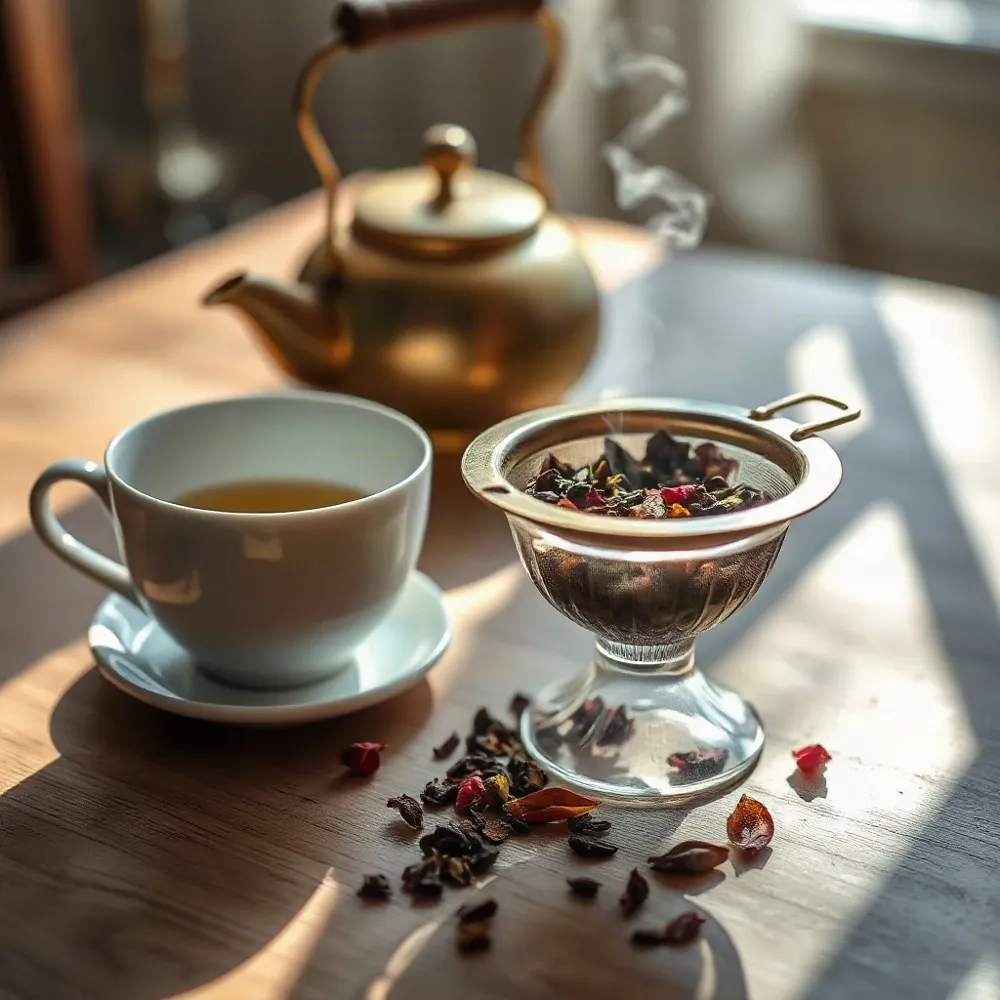
Starting your loose leaf tea journey requires only a few simple tools that you may already have in your kitchen.
Basics. You need a cup or teapot to brew in, a tea infuser or strainer to hold the leaves, and a kettle to heat water.Nice-to-haves. A timer helps you avoid over-steeping, and a measuring spoon ensures consistent leaf portions. A temperature-controlled electric kettle is a useful upgrade for precise water temperatures.The infuser. Choose a spacious infuser or strainer so the leaves can unfurl fully and release their flavour. Tea balls are too small — they crowd the leaves, leading to a weak, uneven cup.
ZYANNA’s selection of whole-leaf teas is designed to work beautifully with any of these setups, and each purchase comes with brewing guidance tailored to that specific tea.
Water: The Foundation of Great Tea
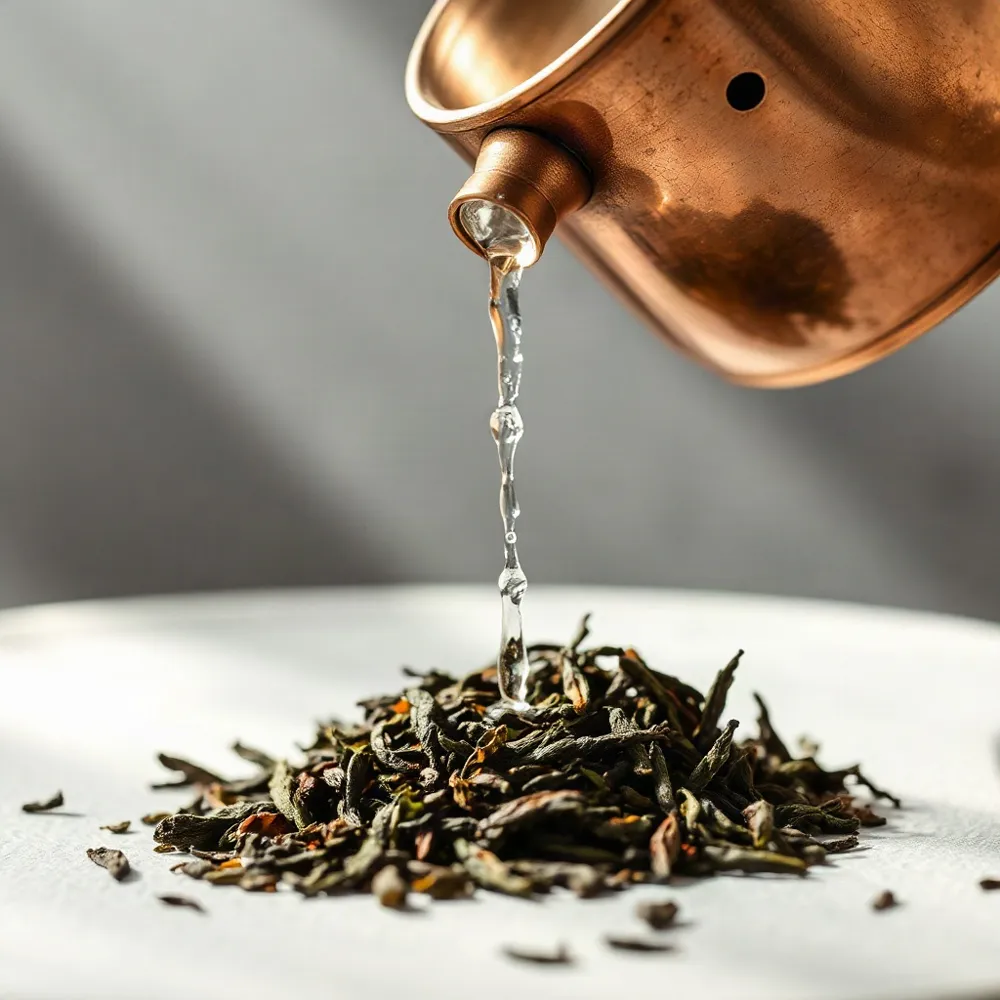
A cup of brewed tea is 99 percent water, so the quality of what comes out of your tap directly shapes what ends up in your mug. Using fresh, clean water is the simplest step you can take toward a better cup. And for health-conscious tea lovers, it means a purer, more wholesome experience.
Filtered or bottled spring water is ideal for tea. Tap water often contains chlorine or minerals that clash with tea's delicate flavors, while distilled water can taste flat. Also avoid repeatedly boiling the same water, as this removes oxygen from the water and leaves the tea tasting dull. For the best results, always start your kettle with cold, filtered water.
At ZYANNA, we believe that premium quality tea begins long before the leaves meet the water. That is why we source from small-scale growers across the Himalayan region and Assam who tend their gardens with the same care you bring to your kettle.
Temperature and Steeping Times at a Glance
The right temperature and steeping time unlock the best in every leaf. Water that is too hot can scorch delicate leaves, while water that is too cool will fail to extract their full flavour. The general range for brewing tea is between 167°F and 212°F (75°C to 100°C), with each tea type asking for a specific point within that spectrum.
Green tea. Use water at 175–180°F (71–82°C) and steep for 1–3 minutes. This gentle approach preserves the tea's grassy, vegetal notes and prevents the bitterness that comes with hotter water.Black tea. Requires a full boil at 212°F (100°C) and a steep of 3–5 minutes. The hotter water draws out the rich, malty character that black tea is known for.White tea. Best brewed with water at 175–180°F (71–85°C) for 2–4 minutes. Its delicate leaves need a gentle hand to release their subtle, sweet flavours.Oolong. Steep at 195°F (90°C) for 2–5 minutes. This temperature sits between black and green tea, coaxing out the layered, floral, and sometimes toasty notes of oolong.Herbal / Rooibos. Use boiling water at 212°F (100°C) and steep for 5–7 minutes. Because these infusions lack the tannins found in traditional teas, they can steep longer without turning bitter.Darjeeling first flush. A prized Indian tea that prefers slightly cooler water at 175–185°F (80–85°C) and a steep of 2–4 minutes. This allows the delicate muscatel and floral notes to shine.Pu-erh. Similar to black tea, use full boil at 212°F (100°C) and steep 2–5 minutes. The hot water helps open the compressed, aged leaves and release their deep, earthy character.ZYANNA offers a range of teas that thrive with these precise brewing guidelines. From the first flush of Darjeeling, which captures the earliest harvests of the Himalayan region, to the full-bodied Assam black teas sourced directly from small-scale growers, every variety benefits from the care you bring to the cup.
What About More Uncommon Teas?
Yellow tea and purple tea, while rarer, follow the cooler end of the spectrum. Both brew best at 167–180°F (75–82°C) for 2–4 minutes, offering a quiet, smooth experience that rewards patience.
How Much Tea to Use
A good starting point is 1 tablespoon (2-3 grams) of loose leaf tea per 200-250 ml (about 6-8 ounces) of water. This works for most black, green, and oolong teas. For white tea, which has delicate, lighter leaves, use 2 level teaspoons per 6 ounces to achieve the right balance of flavor.
If you prefer a stronger cup, add more leaves rather than letting the tea steep longer. Over-steeping releases bitter tannins, while increasing the leaf amount builds body without harshness. A simple measuring spoon or tea scoop helps you keep your portions consistent from one cup to the next.
ZYANNA's collection includes over 150 varieties, giving you plenty of room to experiment with leaf amounts. Start with the recommended portion and adjust until you find a strength that feels just right for you.
Step-by-Step: Brewing Your First Cup
Brewing a great cup of loose leaf tea is a simple, meditative process. Follow these steps to build confidence from the very first sip.
The Basic Steps
- Gather your equipment: a mug, an infuser or strainer, a kettle, your chosen tea, and a measuring spoon.
- Heat fresh, cold filtered water to the temperature recommended for your tea type – around 175°F for green tea and 212°F for black tea.
- Warm the vessel: swirl a small amount of hot water in your cup or teapot, then discard the water. This helps maintain the correct brewing temperature.
- Measure the tea leaves. A good starting point is 1 heaped teaspoon (about 2–3 grams) per 200–250 ml of water, or adjust to taste. Place the leaves in your infuser or directly in the cup.
- Pour the hot water over the leaves, not the other way around, to ensure they are fully saturated from the start.
- Steep for the recommended time — use a timer to avoid over-steeping. Most black teas need 3–5 minutes, while green teas are ready in 1–3 minutes.
- Remove the leaves immediately by lifting out the infuser or pouring the tea through a strainer. Stopping the brewing process is the step that prevents bitterness.
- Taste your tea plain before adding anything. Then adjust with milk, sweetener, or lemon as you like.
ZYANNA’s carefully sourced Darjeeling and Assam teas make this process especially rewarding, as the leaves expand fully and release their complete flavor profile in the right conditions. For a perfect start, explore the curated selections at zyanna.com.
Common Mistakes and How to Avoid Them
Even a brief lapse in attention can turn a promising cup into a bitter disappointment. The most frequent misstep is using water that is too hot for delicate teas. Green and white teas contain tender leaf compounds that scorch easily; pouring boiling water over them releases a harsh, astringent flavour. Instead, let the kettle rest for a minute after boiling, or use a thermometer to hit 70–85°C for these lighter leaves.
Over-steeping is another common error. When tea leaves sit in hot water too long, the tannins that add body begin to dominate, producing a bitter brew. Each tea type has a recommended window — green teas need just 1–3 minutes, while black teas can go 3–5 minutes. Set a timer so you do not walk away and forget. Using too little tea also leads to a weak, watery cup; stick to roughly one heaped teaspoon per 200 ml of water as a starting point.
The vessel you use matters as well. Small tea balls or cramped infusers stop leaves from expanding fully, trapping flavour instead of releasing it. Choose a spacious infuser or a pot with plenty of room for the leaves to unfurl. Avoid repeatedly boiling the same water, as it becomes stale and flat — always start with fresh, cold, filtered water for the brightest taste.
With ZYANNA’s direct-from-farm teas — from delicate first-flush Darjeeling to hearty Assam black — following these simple guidelines ensures you enjoy the full character of every leaf. Patience and a timer are your best friends in the kitchen.
Troubleshooting: Fixing Weak or Bitter Tea
Even seasoned tea lovers end up with a disappointing cup now and then. The good news is that most problems are easy to diagnose and fix.
When Tea Tastes Too Weak
If your cup lacks flavor, try one of these adjustments: use slightly more loose leaf, steep a minute longer, or start with hotter water. For black and herbal teas, a full boil often makes a clear difference. ZYANNA's direct-sourced leaves, cultivated with sustainable practices that honor tea's rich heritage, are especially rewarding when given enough heat and time to unfurl fully.
When Tea Is Too Bitter or Strong
Bitterness usually points to over-extraction. Reduce the steeping time, use cooler water, or cut back on the amount of leaf. Green tea is the most sensitive: even an extra thirty seconds in water at 175-180°F can tip it from pleasant to harsh. If your cup tastes bitter, a shorter, cooler steep is the simplest fix.
When Tea Has No Flavor at All
Stale leaves produce flat tea. Fresh loose-leaf should smell aromatic and lively. If your tea feels lifeless, check how long it has been stored. Using filtered water instead of tap water can also restore brightness. ZYANNA's fast-garden-to-cup model means each batch retains its natural character and supports sustainable farming, giving you a clearer starting point for dialing in your perfect cup.
Trust your own palate above all else. The ideal cup is the one you enjoy drinking. Adjust one variable at a time, and you will quickly learn what works for your taste.
Getting the Most from Your Leaves
One of the quiet joys of brewing with quality whole leaves is that many of them keep giving long after the first pour. Instead of discarding your leaves after a single steep, you can re-infuse them two, three, or even four more times, each cup offering a slightly different character.
Which Teas Steep Again Best?
Oolong, white, and pu-erh teas are the champions of multiple infusions. As hot water works on the leaves again, the flavor shifts—oolong might reveal hidden floral layers, while white tea becomes smoother and creamier. The tight curls of a high-quality ZYANNA oolong are especially generous, unfurling across several steeps to release their full range.
A Note on Pu-erh
Many pu-erh drinkers start with a quick rinse: pour hot water over the compressed leaves, let them sit for about five seconds, then pour that liquid away. This gentle wake-up step softens the leaves and removes any storage dust, preparing them for a rich and rewarding first steep.
Herbal tisanes and rooibos, on the other hand, tend to give up most of their character in the first brew and are less suited to re-steeping. Stick to single infusions for those, and save the multi-steep magic for your oolong, white, and pu-erh selections.
Beginner-Friendly Teas to Start With
The best teas for beginners are the ones that forgive small mistakes. Natural herbal infusions like chamomile, peppermint, and rooibos are practically impossible to ruin because they contain no compounds that turn bitter, even with longer steep times or water that's a bit too hot.
White teas are another excellent starting point. Their light, delicate character develops beautifully when brewed at around 175°F for 2-3 minutes, but they won't punish you harshly if you stray off by a minute.
Whether you choose a floral chamomile, a brisk peppermint, or a smooth rooibos, ZYANNA offers sampler packs and seasonal limited editions that let you explore these varieties without committing to a full batch. The brand's direct relationships with small growers across the Himalayan region and Assam bring you unusually fresh leaves that make the learning process more rewarding. ZYANNA's commitment to premium quality and sustainable farming ensures that every sip supports both your well-being and the planet.
Delicate green teas and complex oolongs require more care with water temperature and timing, so it helps to develop your palate on forgiving leaves first, then move into those nuanced profiles when you feel ready.
Exploring Cold Brew and Iced Tea
Cold Brew: Patience Rewarded
Cold brewing is one of the simplest ways to enjoy tea. Add 1 tablespoon of your favourite loose leaf tea to 1 litre of cold water in a jug and refrigerate for 4 to 7 hours. Strain out the leaves and you are left with a smooth, naturally sweet cup that has significantly reduced bitterness. The slow infusion preserves delicate flavours that hot water can mask. ZYANNA's gentle Darjeeling first flush or a floral oolong works beautifully with this method, producing a refreshing, low-acid brew that is ideal for warm afternoons.
Iced Tea: Quick and Bold
For a faster option, brew a strong hot tea using roughly double the usual amount of leaves, then chill it rapidly without diluting the flavour. Pour the hot, concentrated tea over a glass filled with ice, or place the pot in an ice bath. This method retains the tea's full body and aroma. Many herbals and fruit tisanes make excellent iced teas, and ZYANNA's caffeine-free detox blends are a vibrant choice for a chilled afternoon pick-me-up.
Sun Tea and Other Variations
The classic sun tea method involves placing leaves and water in a clear glass jar and leaving it in direct sunlight for several hours. The gentle solar heat steeps the tea slowly. Matcha lovers can also prepare an iced matcha latte by whisking a teaspoon of premium matcha powder with a small amount of cold water to form a paste, then topping up with chilled milk or water. Whichever method you choose, cold and iced preparations offer a refreshing new dimension to your tea ritual.
Your Journey Begins with a Single Cup
Brewing tea is a simple, rewarding ritual. With each cup, you will learn something new — how a slightly shorter steep affects a Darjeeling First Flush, or how a cooler pour brings out the honey notes in an oolong. The learning curve is about progress, not perfection.
Start with ZYANNA's carefully sourced teas, from single-origin Darjeeling to exotic herbal blends. Each variety offers a chance to explore the diverse flavor landscape of India's tea gardens. Trust your palate. If you love how your tea tastes, that is a success, even if you stray from the recommended times.
Enjoy the cultural story and heritage in every sip. ZYANNA’s direct relationships with small-scale growers mean each cup supports fair-trade practices and preserves the authentic character of each harvest. Experiment confidently, knowing that every cup is a step toward discovering your perfect brew.


