


Your Simple Roadmap to Better Daily Tea Brewing
A Daily Ritual Worth Savoring
A good cup of tea begins before the first sip. Fresh water, a little attention to the leaves and a patient steep can bring forward a tea’s aroma, balance and distinctive character. The ritual need not be complicated; small choices are often enough to make an everyday cup feel considered.
That care reflects the journey behind the leaves, too. ZYANNA sources teas directly from small-scale growers in India’s Himalayan region and Assam, bringing each harvest to the cup while supporting the people and traditions that shape it. From first-flush Darjeeling to fragrant herbal blends, each style has its own story and brewing needs.
Tea’s character is shaped by its growing conditions and processing, which distinguish green, black and oolong leaves, as Tamil Nadu Agricultural University’s tea guide explains. Brewing brings that character into focus, but there is no single formula for every leaf. Use the directions on the package as your starting point, then adjust to your taste. The following guide offers practical ways to make each cup a little more rewarding.
Begin With the Tea in Your Cup
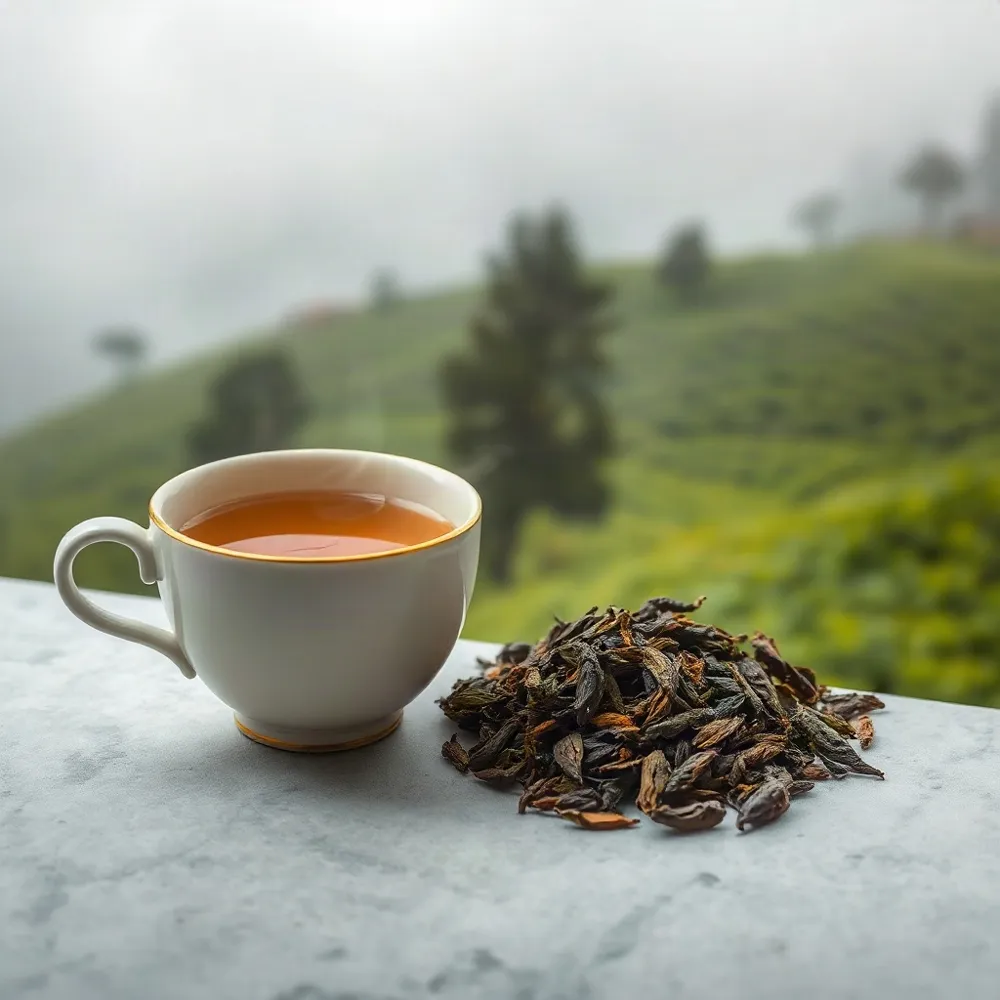
Before choosing how to brew, notice what is in your tea. Green, black, white, oolong, pu-erh and matcha all come from the same tea plant, while herbal infusions are made from ingredients such as herbs, flowers, spices and roots. Their origins and differences are outlined by Northwestern Medicine.
Processing gives traditional teas much of their distinct character. Green tea is lightly processed, black tea is more fully processed, and oolong is processed somewhere in between. These choices shape color and flavor: green tea may brew pale and fresh, while black tea often yields a deeper, brisk cup. Tea’s processing and appearance are described in the Tamil Nadu Agricultural University guide.
Take a moment to smell and taste the leaves before adding anything. That first impression can reveal a green tea’s clean, grassy notes or a black tea’s fuller character, and helps you choose a brewing approach that lets each style speak for itself.
Herbal infusions are naturally caffeine-free unless blended with caffeinated tea leaves. Their flavor and potential effects depend on the ingredients, so a chamomile blend and a ginger infusion offer different experiences. If you're curious about caffeine content or how a particular herb might affect you, just take a look at the blend details. We're here to help you find the perfect cup.
ZYANNA’s collection spans classic Darjeeling, including prized first-flush harvests, alongside matcha, oolong and specialty blends. Sourced directly from small-scale growers across the Himalayan region, Assam and other Indian estates, these teas carry the character of their gardens and harvests into the cup. We take pride in our premium quality and commitment to sustainability, ensuring that every sip supports both the land and the communities that nurture it. Starting with the tea itself makes those differences easier to appreciate.
Choose Water That Lets Flavour Shine
How can water choice affect a daily cup of tea? Because tea is mostly water, its quality can shape the finished flavor and aroma. Fresh, clean, filtered water is a practical everyday choice, especially when tap water has a noticeable taste. Clean water helps the character of the leaves come through in the cup.
Water is not just a neutral backdrop. Research has shown that the makeup of the water can influence how a tea tastes and smells. For example, water with different mineral levels can bring out different flavors. These findings show why changing water can shift a cup’s character, but they do not establish one best water for all teas. The key is to use water that lets the tea’s natural qualities shine.
The vessel matters to the brewing experience, too. Glass, ceramic and stainless steel are practical choices; glass has the added pleasure of letting you watch loose leaves unfurl. As tea makers have long known, the small details around brewing can reveal a leaf’s character. Begin with clean-tasting water and let the tea itself guide any further adjustments. For health-conscious tea lovers, clean water also helps preserve the natural antioxidants and pure flavors that make each cup a wholesome experience.
Match Heat and Time to the Leaves
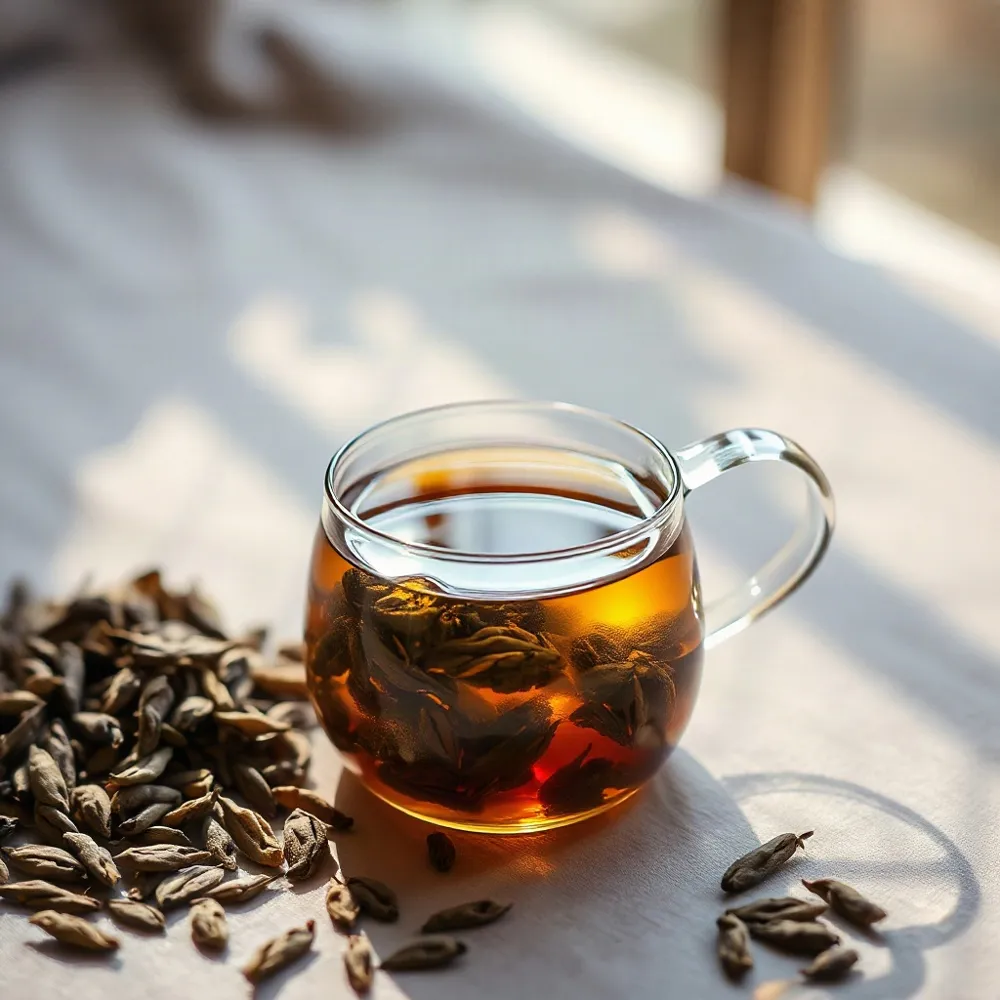
A simple way to choose brewing temperature and steeping time is to match both to the tea, then treat the package directions as the best guide for that particular harvest. Heat and time work together: too much of either can make some leaves taste harsh, while too little can leave others weak.
As a starting point, white tea usually suits water around 71 to 85°C and a steep of 1 to 3 minutes. Green tea is often brewed at about 71 to 82°C for 1 to 3 minutes, while black tea generally takes hotter water, around 93 to 100°C, and 3 to 5 minutes. These ranges are guidelines, not fixed rules. Tea type and processing help shape how leaves respond to heat, as described in Tamil Nadu Agricultural University’s overview of tea.
Oolong commonly starts around 85 to 96°C, with steeping time varying according to whether the leaves are tightly rolled or long and open. Pu-erh usually calls for about 91 to 100°C, depending on whether it is raw or ripe. Herbal infusions, made from herbs, flowers, or spices rather than tea leaves, commonly use near-boiling water and a longer steep.
Green tea’s bitterness is often linked to water that is too hot, while delicate green and white leaves can become over-steeped easily. If you are brewing a first-flush Darjeeling, the tea’s own directions are a useful place to begin.
Small variations in heat or timing need not spoil a cup, and personal taste matters. Taste near the suggested finish time, then adjust gently; leaving leaves in for much longer can bring out unpleasant harshness. Follow each tea’s brewing guidance to reveal the character of its particular leaves.
Measure Leaves and Give Them Room
A teaspoon of loose-leaf tea per cup is a friendly place to begin, not a strict rule. Leaf size and the strength you enjoy both affect the amount, so adjust as you brew. A little attention to the leaves helps reveal the character of each harvest.
Whole leaves need room to unfurl. Choose a roomy infuser or brewing basket, or use a teapot with a removable infuser so you can lift the leaves out when they are ready. Water can move around the leaves, and the finished tea will not keep steeping in the pot.
For a single cup, place the leaves in an infuser in your mug and pour hot water over them. For several servings, brew in a teapot or kettle, then pour the tea into cups. Avoid heating tea in a microwave: its rapid, uneven heat can be harsh on delicate leaves. A tea-brewing expert interviewed by Bon Appétit recommends letting hot water draw flavor from the leaves gradually.
Before reaching for milk, lemon, or honey, taste a well-sourced tea plain. A first-flush Darjeeling, for example, may offer delicate floral notes worth noticing on their own. Then add what you enjoy: the best measure and method are the ones that let the tea’s natural flavor suit your cup.
Make Each Infusion Count
Can tea leaves be brewed more than once? Many loose-leaf teas can be re-steeped, and later cups may reveal softer or different notes as the leaves open. The flavor and caffeine generally fade after the first infusion, so each brew has its own character.
The number of satisfying infusions depends on the tea, its leaf style, and your taste. Oolong and pu-erh often lend themselves to repeat brewing, while herbal blends tend to grow weaker with each additional steep.
Caffeine is usually extracted most heavily during the first steep, and longer steeping tends to draw out more. Later infusions are generally lower in caffeine, though the amount varies by tea and preparation. If caffeine matters to your daily routine, check the product information and follow the tea’s brewing guidance.
Part of the pleasure of a quality loose-leaf tea is the ritual of multiple infusions. Each steep gently coaxes out new layers of flavor, letting you experience the full character of the leaf. ZYANNA’s whole-leaf teas are grown and harvested to be savoured this way. Taste each cup and let your own preferences guide you; stop when the flavor no longer brings you joy. Keep the leaves between infusions and use them while they still taste lively, rather than relying on a fixed count.
Explore Additions and Cooler Brews
Before adding milk, lemon, honey, or sugar, take a moment to taste the tea on its own. A plain first sip can reveal floral, brisk, or gently sweet notes, especially in fresh leaves. ZYANNA’s direct-farm sourcing brings growers’ harvests to the cup. After that, make the cup your own: milk may suit a full-bodied black tea, while lemon can bring a bright edge to green tea.
Research on additions offers insights, not strict rules. For example, lemon may help release more of the beneficial compounds in green tea, while milk interacts differently with black and green teas. These findings don't predict exactly how your cup will taste or affect you, so let your preference guide the pour.
Do additions or cold brewing change tea’s qualities? They can. Cold brewing offers a refreshing way to enjoy tea, with flavor and caffeine levels that vary according to the leaves, water, and steeping time.
For iced tea, follow the tea’s directions, then let the brew cool and refrigerate it before serving over ice. This keeps the ice from quickly diluting the flavor. Try the method with a seasonal blend or a first-flush Darjeeling from ZYANNA, whose early harvest character and commitment to quality and sustainability can be enjoyed plain or with a subtle addition. Exploring the possibilities is part of the pleasure, not a formula for maximising health benefits.
Store Tea for Freshness
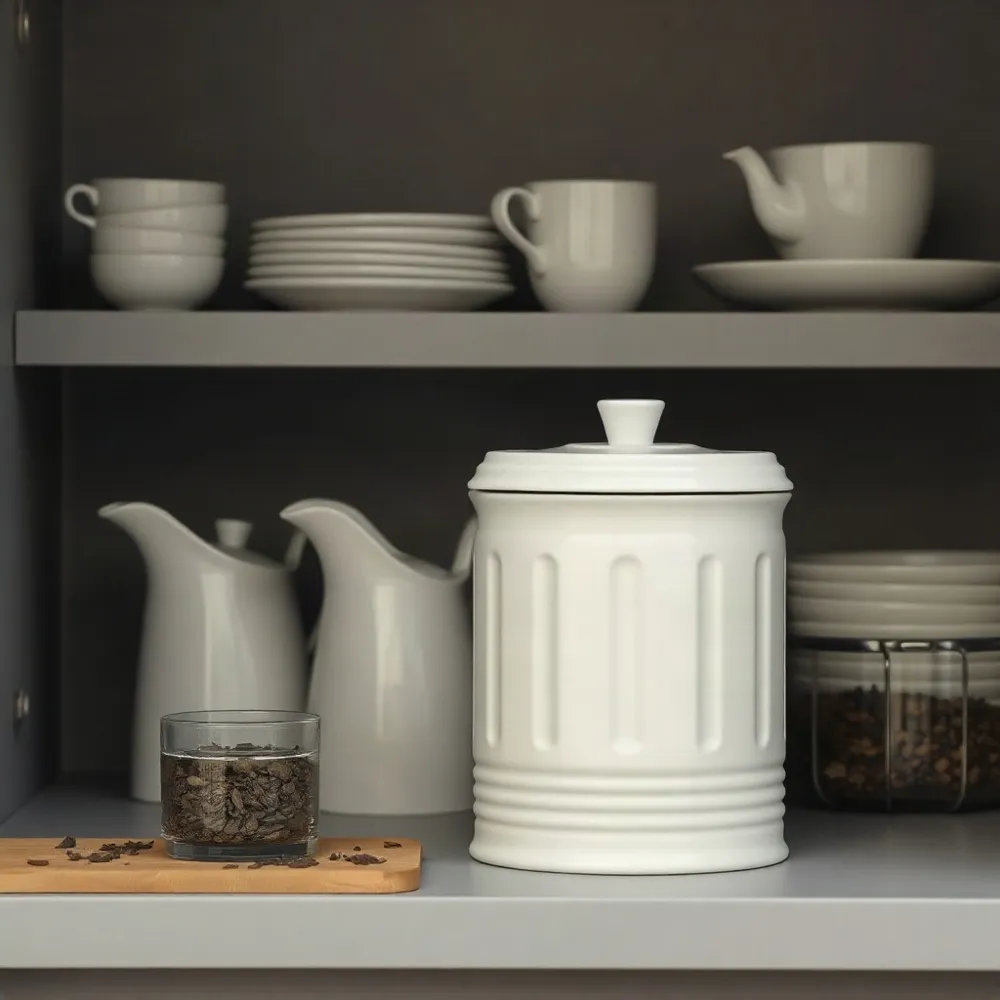
How should tea be stored to help preserve its freshness? Keep your leaves sealed in an airtight container in a cool, dark cupboard, away from heat, sunlight, and moisture. Tea naturally absorbs moisture from the air, which can affect its quality over time, as Tamil Nadu Agricultural University’s tea guidance explains.
Light, warmth, and time can gradually dull tea’s aroma and flavor, along with some of its delicate plant compounds. Buying a quantity you can enjoy while it is fresh is a practical way to make each cup more rewarding.
For the best aroma and flavor, enjoy tea while it is fresh; how quickly it changes depends on the tea and how it is stored.
ZYANNA sources teas directly from small-scale growers across India’s tea regions, honoring a rich heritage of tea cultivation while ensuring premium quality and supporting sustainable farming practices. By moving teas from garden to cup quickly, we preserve the character of each harvest, including the freshness that makes a carefully made cup worth savoring.
Make Tea a Thoughtful Daily Habit
A thoughtful tea routine can follow the day’s natural rhythm: a brisk black tea in the morning, a gentle green tea when it suits you, or a caffeine-free herbal cup in the evening. Caffeine varies with the tea and how it is prepared, so the tea’s name alone cannot tell you exactly how much is in your cup. When intake matters, check the product information and pay attention to your own sensitivity.
As a general guide, an eight-ounce cup of black tea contains about 40–90 mg of caffeine, while green tea contains about 20–50 mg, though actual amounts vary. Caffeine later in the day may interfere with sleep or cause restlessness. An evening herbal infusion can be a practical choice, as long as it contains no caffeinated tea leaves. Traditional teas come from Camellia sinensis, while herbal infusions are made from ingredients such as herbs, flowers, roots, or spices, as Northwestern Medicine explains.
Tea contains plant compounds, and research has linked regular tea drinking with possible health benefits. These findings do not make tea a guaranteed treatment or a substitute for medical care. Some herbal ingredients, including chamomile, ginkgo biloba, and St. John’s wort, may interact with medication. If you take medication, ask your doctor which herbal teas are suitable.
A simple routine can make room for pleasure without turning tea into a cure-all or a replacement for other drinks. Choose a cup for its flavor, keep it fresh, and enjoy it in moderation. An everyday brew can connect you with the character of its harvest and the people who tend it.
Let the Leaves Lead
A satisfying daily cup need not call for elaborate equipment or exacting rituals. Choose a tea, begin with clean water, and follow the guidance supplied for those leaves. Then adjust the steeping time or quantity to suit your taste, making a small change at a time so you can notice what it brings to the cup.
Exploring teas from ZYANNA offers a way to meet the character of different Indian harvests, from first-flush Darjeeling to distinctive black teas, green teas, and herbal infusions. Each cup connects you with the people and places behind its leaves.
There is no need to chase a perfect brew. Give good leaves room to open, keep them fresh, and take a moment to enjoy the aroma as it rises. With a little attention and curiosity, an everyday cup can become a welcome pause, shaped by the harvest and the way you like to drink it.


