


The Key Differences in Caffeine Between Oolong and Black
Understanding the Caffeine Content Behind Your Cup
Both oolong and black teas begin their journey on the same plant — Camellia sinensis. What sets them apart is how the leaves are handled after harvest. Oolong is partially oxidized, while black tea is fully oxidized, a difference that shapes their flavor, color, and caffeine content.
Caffeine is one of the most notable differences between the two. A standard 8-ounce cup of oolong contains roughly 30 to 55 mg of caffeine, while black tea ranges from 40 to 70 mg per cup, according to USDA data. This range makes oolong a more moderate choice with a gentler energy lift, and black tea a bolder pick for those seeking a stronger lift.
ZYANNA offers both premium oolong and black teas sourced directly from Indian estates, so you can choose the cup that matches your energy goals without compromising on quality. Whether you prefer the gentle warmth of an oolong or the robust kick of a Darjeeling black tea, understanding these differences helps you make an informed choice for your health and daily routine.
The Shared Origin of Oolong and Black Tea
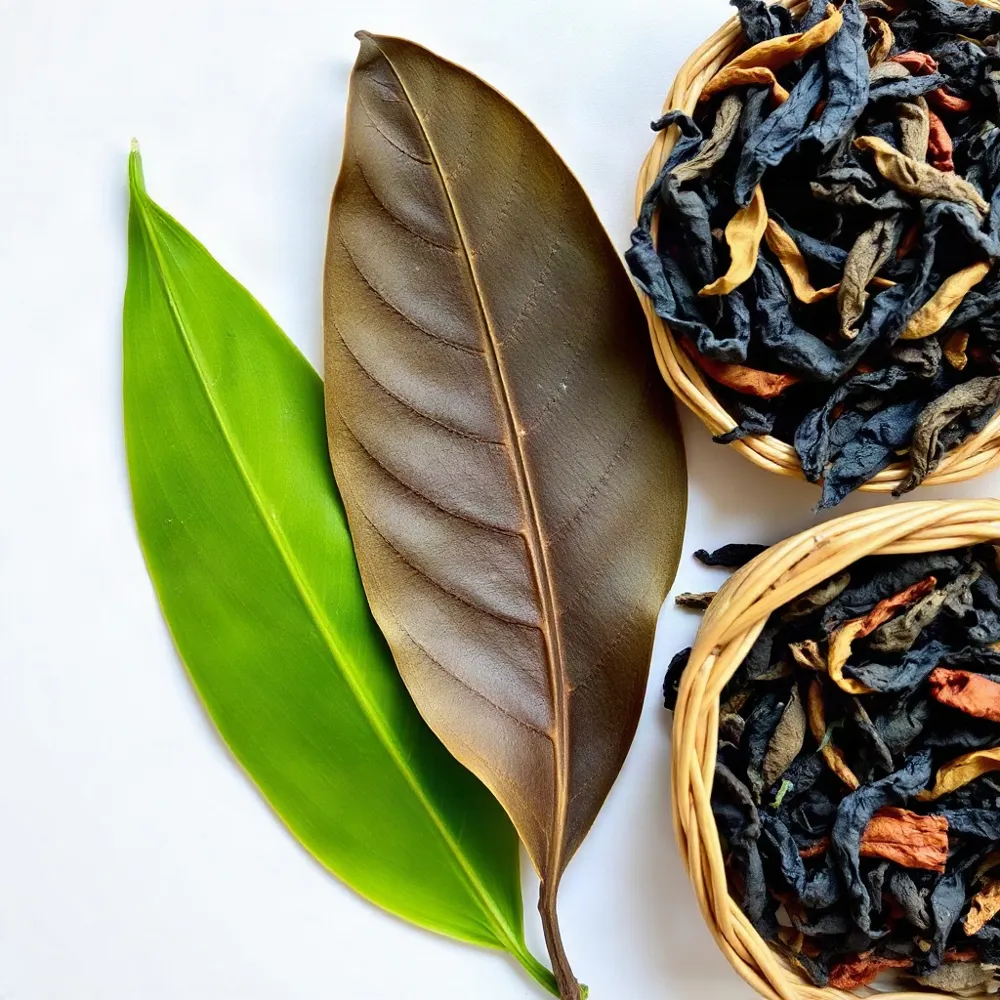
Every cup of oolong or black tea begins with the leaves of a single species: Camellia sinensis. This means the two share a botanical heritage, yet the journey from leaf to cup transforms them into distinctly different experiences.
The distinction comes down to a process called oxidation. After plucking, tea leaves are allowed to react with oxygen in the air. Black tea is fully oxidized, yielding a deep, dark color and a bold, rich flavor. Oolong tea, on the other hand, is only partially oxidized, with levels ranging from 8% to 80%. This partial oxidation gives oolong its signature complexity: a flavor that can swing from the floral brightness of a green oolong to the toasty, almost chocolatey notes of a dark one.
This processing gap also affects caffeine. As detailed in the Mayo Clinic's caffeine guide, an 8-ounce cup of black tea contains about 48 mg of caffeine. Oolong's caffeine level falls below that, typically ranging from 30 to 50 mg, depending on its oxidation and brewing method. So the greener the oolong, the gentler the caffeine lift; and the darker the leaf, the closer it edges toward black tea's territory.
At ZYANNA, we celebrate this diversity by sourcing both black and oolong teas directly from the estates that produce them best. Our selection includes the prized first-flush Darjeeling teas, whose light oxidation yields a delicate, floral cup, alongside the bold, malty strength of Assam black teas. Each harvest tells the story of its garden, and of the small-scale growers across the Himalayan region who have perfected these traditions over generations.
How Much Caffeine Is in Oolong Tea?
For tea lovers who appreciate a balanced cup, ZYANNA’s oolong tea offers a gentle lift that fits perfectly into your day. Sourced directly from family farms that have cultivated tea for generations, our oolong is crafted with care and respect for tradition. A standard cup contains about 40 to 60 mg of caffeine—enough to brighten your afternoon without the jitters. The exact amount depends on the style: lighter, floral oolongs have less caffeine, while darker, roasted ones have a bit more. Whichever you choose, you can trust that every sip reflects our commitment to quality and sustainability.
Black Tea's Higher Caffeine Edge
When you need a gentle yet noticeable lift, black tea offers the most caffeine among traditional teas, a classic choice for a morning boost. Each comforting 8-ounce cup delivers 40 to 70 mg of caffeine, averaging around 47 mg according to the Mayo Clinic. Certain black teas, depending on brewing and leaf variety, can reach higher levels, providing a robust experience that stands well above oolong.
The heritage of each black tea variety shapes its character and caffeine content. Assam black tea, from the fertile plains of northeastern India, offers 50 to 90 mg per cup, reflecting its bold, malty flavor.Ceylon black tea, with its bright and citrusy notes, provides 50 to 70 mg. Darjeeling, known for its delicate, wine-like notes, is lighter but still contains more caffeine than most oolongs.
ZYANNA sources its premium black teas directly from small-scale growers in Assam and Darjeeling, ensuring each batch captures the distinct character of its region while supporting sustainable farming practices. For tea lovers who want the full authority of a classic black cup, these selections provide both depth of flavor and a steady, focused energy that rivals coffee without the sharp edge.
Brewing Variables That Change Caffeine Extraction
The caffeine level in your cup is not fixed by the tea type alone — how you brew matters just as much. Steep time is the single biggest factor. A quick 1-minute steep pulls far less caffeine from the leaves than a 3- to 4-minute infusion. Water temperature also plays a central role: hotter water near 200°F (93°C) releases caffeine faster than the gentler 185–195°F (85–91°C) range preferred for most oolongs.
Leaf size and quantity further shift the outcome. Smaller, broken leaves — such as those often found in tea bags — release caffeine more quickly than the larger whole leaves in loose-leaf teas. More leaf per cup also means a stronger brew. ZYANNA’s whole-leaf teas, sourced directly from small Himalayan growers, offer a gradual, balanced extraction that lets you control strength with each steep. Most caffeine is drawn out in the first two infusions; later re-steeps produce a noticeably gentler cup.
How L-Theanine Creates Calm Focus
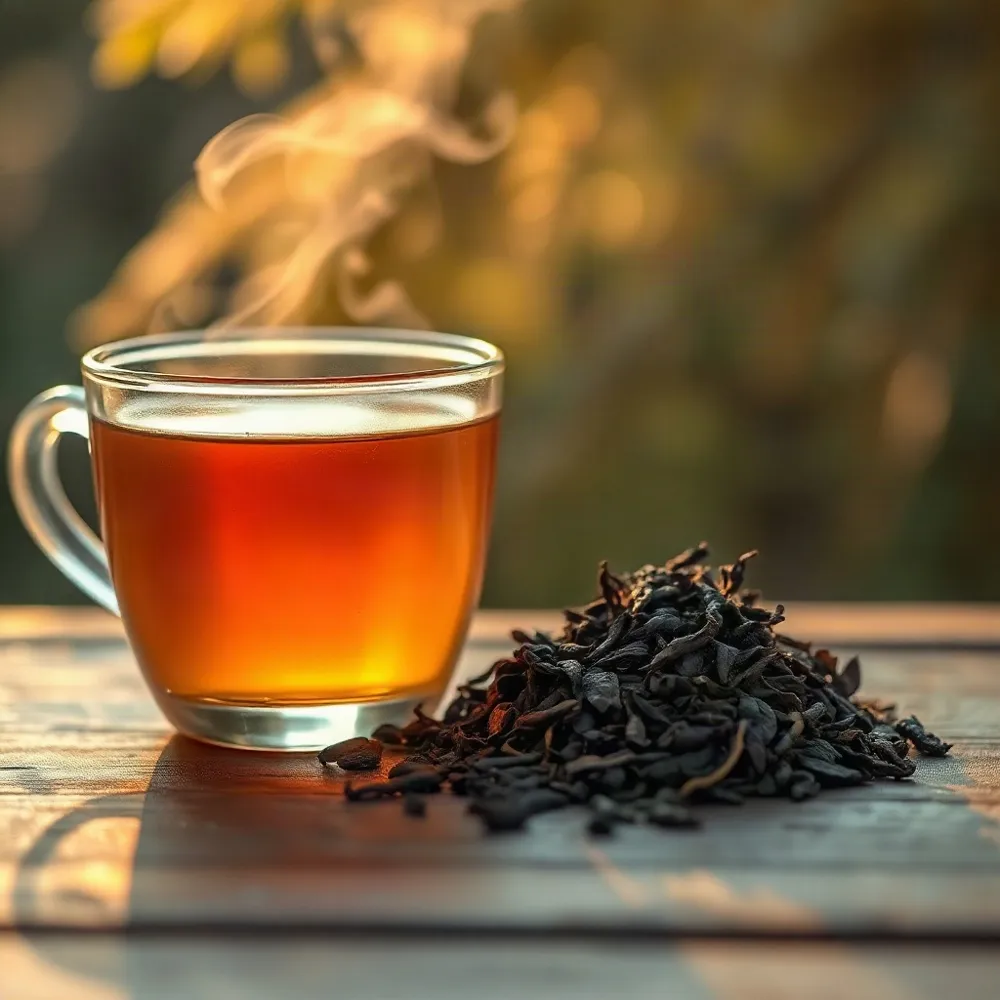
L-theanine, an amino acid found in both oolong and black tea, works with caffeine to promote calm alertness.
One of the most distinctive qualities of both oolong and black tea is the presence of the amino acid L-theanine. Unlike coffee, which delivers a sharp jolt of energy, the L-theanine in these teas works in harmony with caffeine to promote a state of calm, focused alertness. This synergy helps soften the jittery edge that coffee can sometimes leave behind.
While coffee often produces a spike in energy followed by a crash, the combination of caffeine and L-theanine in tea creates a steadier, more balanced lift. This makes both oolong and black tea excellent alternatives for those seeking sustained focus without the nervousness. ZYANNA’s collection of teas, carefully sourced from small-scale growers in the Himalayan region, naturally preserves this beneficial amino acid, ensuring you experience its full, comforting effect in every cup.
Comparing Oolong to Coffee and Other Teas
At ZYANNA, we take pride in bringing you oolong tea that reflects centuries of heritage and care. Sourced directly from trusted farms, our oolong offers a gentle, balanced energy that sets it apart from the sharp jolt of coffee. A standard 8-ounce cup of ZYANNA oolong contains roughly 30 to 75 mg of caffeine, while the same amount of drip coffee delivers 85 to 95 mg — about half the caffeine, for a smoother experience. Green tea, which shares a similar oxidation process, ranges from 25 to 45 mg per cup, and white tea is lighter still at 15 to 40 mg.
But the magic of tea goes beyond caffeine content. The body absorbs tea's caffeine more gradually, offering a steady energy curve without the spike and crash often linked to coffee. Black tea, with 40 to 70 mg per cup, provides nearly half the caffeine of coffee while being less acidic and kinder to the stomach. For those who love a middle ground — balancing energy with subtlety — ZYANNA oolong sits beautifully between green and black tea in both flavor and lift, a testament to our commitment to quality and sustainability.
Choosing Based on Your Energy Goals
Your personal health and energy goals often point to the ideal tea for your cup. For a direct energy lift, black tea has been a reliable morning companion for centuries, offering a robust flavor and a natural caffeine boost that can help you start your day or overcome an afternoon slump.
Oolong tea, with its rich heritage in Chinese tea culture, provides a more gentle and balanced lift. It's a wonderful choice for focused work or a relaxing afternoon, offering a sense of calm alertness.
For those interested in weight management, both oolong and black tea have been valued in traditional wellness practices for their supportive properties. The natural compounds in these teas may gently aid your body's metabolism, making them a great addition to a healthy lifestyle.
At ZYANNA, we take pride in our premium quality teas, sourced directly from small tea growers in the Himalayan region and Assam. Our oolong collection, with its range of oxidation levels, allows you to choose the perfect tea for your energy needs while supporting sustainable farming practices that honor the land and its people.
Antioxidant Profiles and Health Benefits
For generations, tea lovers have treasured the natural antioxidants found in oolong and black tea. At ZYANNA, we source our premium teas directly from farms that share our commitment to sustainability and quality. These heritage teas are rich in beneficial compounds that support your health and well-being.
The antioxidants in oolong and black tea are known to help maintain a healthy heart, support balanced blood sugar levels, and promote overall vitality. Oolong tea, with its unique balance of these compounds, has been a favorite among tea enthusiasts for centuries.
Whether you enjoy the delicate flavor of oolong or the bold taste of black tea, you can feel good knowing that each cup of ZYANNA tea brings you the time-honored benefits of nature’s finest antioxidants. We are proud to offer teas that are not only delicious but also sustainably sourced and crafted with care.
How Oxidation Level Affects Your Cup
The journey of a tea leaf from pluck to cup is guided by oxidation, the controlled exposure to air that shapes flavor and color. Oolong tea spans a remarkable range, from a light 8% oxidation to a deep 80%, a spectrum that produces vastly different experiences. A lightly oxidized oolong tastes closer to green tea, with floral and grassy notes and a pale golden liquor. As oxidation deepens, the cup darkens and takes on the richer, roasted, sometimes fruity character that approaches black tea.
A common assumption is that oxidation itself creates more caffeine, but the truth is more subtle. Oxidation does not create or destroy caffeine; the caffeine molecule is already present in the fresh leaf. What changes is how the leaf is brewed. Heavily oxidized oolongs are often steeped with near-boiling water and for longer times, which pulls more caffeine into the cup compared to the gentler 185–195°F water typically recommended for a light oolong. It is the brewing variables, more than the oxidation level alone, that determine the final caffeine content.
At ZYANNA, this diversity is something to explore. Whether you prefer a delicate, floral high-mountain oolong or a dark, toasty version that rivals black tea in body, the choice is a personal one. Each steep tells the story of its oxidation, its origin, and the skill of the growers who bring it to your table.
Safe Caffeine Limits and Sensible Enjoyment
For most healthy adults, the FDA advises a daily caffeine limit of up to 400 mg, which translates to roughly four to five cups of brewed black tea or about six to eight cups of oolong. Spreading your tea consumption throughout the day helps keep your intake within a comfortable range, and experts also suggest limiting individual servings to about 200 mg at a time.
Pregnant women, those trying to conceive, or anyone breastfeeding should talk with their healthcare provider about appropriate caffeine levels. ZYANNA offers a full selection of caffeine-free herbal teas, including rooibos, peppermint, and chamomile, so you can enjoy a warm, comforting cup at any hour without worry.
Because traditional tea naturally contains less caffeine than coffee per cup, you can comfortably enjoy multiple servings within safe limits. Even the same leaves can be re-steeped — the second and third infusions carry noticeably less caffeine, making later brews a gentler option for afternoon or evening sipping.
The Mayo Clinic confirms that a standard 8-ounce cup of black tea contains about 48 mg of caffeine, while oolong falls between that and green tea’s 29 mg. By choosing your tea and brew strength mindfully, you can tailor your daily caffeine intake precisely to your energy needs and lifestyle.
ZYANNA's Sustainability and Ethical Commitment
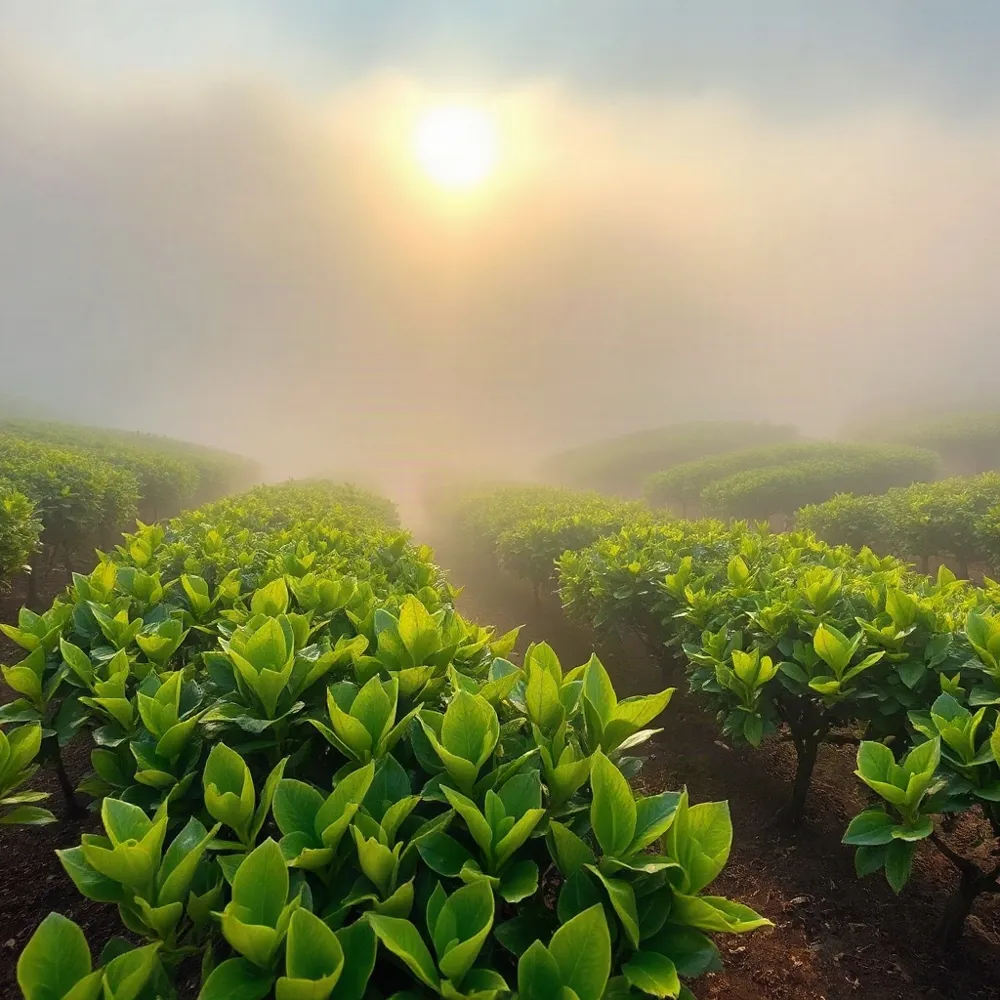
Sustainability is at the heart of how ZYANNA sources its teas. By working directly with small-scale growers across the Himalayan region and Assam, ZYANNA ensures that every leaf is cultivated with care for the land and the people who tend it. Many of these teas are organically grown, following eco-friendly practices that protect the soil and surrounding ecosystems.
This direct partnership model is also a commitment to fair trade. When you purchase from ZYANNA, you support local farming communities and help preserve the traditional knowledge passed down through generations of tea growers. This dedication to freshness means tea moves from garden to cup quickly, capturing the authentic character of each harvest.
Among ZYANNA’s most prized offerings are first-flush Darjeeling teas. These early spring harvests, the very first growth after winter dormancy, yield tender new shoots richest in flavor and antioxidants. Because these limited-edition leaves have a short shelf life, ZYANNA expedites them from garden to cup to preserve their prized muscatel delicacy. By offering these earliest harvests, ZYANNA honors both the heritage of Darjeeling and the craftsmanship of the growers who hand-pluck each flush.
In every cup of ZYANNA tea, you experience the story of ethical sourcing, environmental stewardship, and a deep respect for India’s tea-growing heritage.
Making Your Choice: Oolong or Black Tea?
For energy, black tea stands out. With a higher caffeine content that can reach up to 130 mg per cup, it provides a more immediate lift, making it a popular alternative to coffee for a morning boost. ZYANNA's premium black teas, sourced from Assam and Darjeeling estates, offer this energy wrapped in the authentic character of India's finest harvests.
For gentle focus, oolong is an ideal choice. Its moderate caffeine (typically 30–55 mg) pairs naturally with the amino acid L-theanine, which promotes a calm, focused alertness without the jittery edge. ZYANNA's carefully selected oolongs strike this balance beautifully, offering a smoother energy curve perfect for sustained attention.
For weight management goals, research suggests that a tea's ability to support metabolism comes from a combination of caffeine and antioxidants like catechins and theaflavins. Both heavily oxidized oolong and black tea can be effective here, as the higher caffeine content encourages fat oxidation. For heart health, both varieties deliver powerful antioxidants that may help lower risk factors like high blood pressure and cholesterol.
Ultimately, the best tea for you depends on your personal goals and taste. The best cup is one you enjoy enough to drink regularly. ZYANNA offers both oolong and black tea from premium Indian sources, so you can explore and find the brew that fits your daily ritual.
Find Your Perfect Cup with ZYANNA
Both oolong and black tea deliver distinct caffeine profiles and health perks—oolong’s gentle lift suits calm focus, while black tea’s robust energy suits bold mornings. Your choice hinges on personal energy needs and taste preferences. With ZYANNA’s direct-from-farm sourcing, every leaf reflects premium quality and heritage. Explore both varieties to discover your ritual; our 24/7 support and fast shipping simplify the journey, while each cup honors Indian tea traditions and empowers small-scale growers.


