


Stop Your Tea From Going Stale With These Tips
A Fresh Cup Starts Here.
Tea is a living product. From the moment it is harvested and dried, it begins a gentle journey of change. Unlike food, tea does not spoil in a way that makes it unsafe, but its delicate flavors, aromas, and health-giving antioxidants slowly fade when exposed to light, air, moisture, heat, and strong odors.
This is why freshness matters. A properly stored tea leaf retains the character of its origin — the bright notes of a spring Darjeeling, the smooth earthiness of an Assam black, the subtle sweetness of a white tea. Without care, those qualities disappear. At ZYANNA, we work directly with small-scale growers in the Himalayas and Assam to bring you teas at their peak, and we believe that care should continue in your home.
Why Tea Goes Stale
Tea leaves may look dry and sturdy, but they are responsive to their surroundings. Once harvested and dried, the leaves remain hygroscopic — meaning they readily absorb moisture and odors from the air. This sensitivity, combined with the natural process of oxidation, is why even carefully stored tea can lose its character over time.
Five factors work together to rob tea of its freshness: light, air (O2), moisture, heat, and strong odors. Each one attacks a different part of the leaf’s chemistry. Light accelerates the breakdown of chlorophyll and catechins. Oxygen triggers further oxidation, degrading the delicate aromatic compounds that give each variety its distinct profile. Moisture can lead to staleness or mold, while heat speeds up every chemical reaction that diminishes flavor. And because tea leaves act like sponges for nearby smells, storing them near spices, coffee, or cooking fumes can permanently alter their taste.
The result of this exposure is predictable: a once-vibrant tea turns flat — you may open a bag and find little to no aroma, or your brew appears dull and tastes weak. That is your tea telling you it has gone stale. For a brand like ZYANNA, which brings the prized character of Himalayan and Assam harvests straight to your cup, understanding these enemies of freshness is the first step to preserving every note of flavor.
Understanding Tea Shelf Life
Tea does not expire in the same way that milk or produce does. As long as it has been kept dry and sealed, it remains safe to drink indefinitely. The real measure of tea's shelf life is flavor, aroma, and the delicate compounds that make each cup special.
Different types of tea have very different windows for peak enjoyment. The general guideline is that most teas are best consumed within 1 to 1.5 years for optimal flavor. However, this window varies significantly by the type of leaf and how it was processed.
Green and White Teas. These are the most delicate and least oxidized teas. They lose their fresh, grassy character fastest, staying at their best for only 6 to 12 months when stored properly. Some fresh spring-picked green teas are best enjoyed within the first 3 to 6 months. This is why ZYANNA’s seasonal green teas, sourced directly from Himalayan growers, are shipped quickly to capture that fleeting early harvest vibrancy.Black Teas and Roasted Oolongs. More robust and fully oxidized, these teas hold their flavor much longer. They can remain fresh and aromatic for up to 2 years when stored in an airtight container. Unopened, high-quality black tea can even last up to 3 years. A classic Darjeeling black tea from ZYANNA will develop a smooth, rich character over this time.Pu-erh and Aged Teas. These are the exceptions to the rule. Certain raw pu-erh teas and some aged white or oolong teas are designed to improve with age, much like a fine wine. They can be stored for decades, developing greater complexity and depth, provided they are kept in the right conditions with stable humidity and airflow.Herbal Teas. Herbal infusions, which are not made from the tea plant, tend to have a shorter shelf life. They are best consumed within 6 months to a year, as their added fruits, flowers, and flavorings can fade or become musty more quickly. It is wise to store them separately from pure leaf teas to avoid transferring aromas.
For the best experience, buy tea in small quantities and drink it while it is still vibrant. A fresh cup is the truest expression of the tea's origin, whether it is a delicate early spring harvest Darjeeling or a deeply roasted Assam. ZYANNA’s commitment to moving tea from garden to cup quickly means that each shipment captures the authentic character of the harvest.
The Golden Rules of Tea Storage
As noted, tea freshness depends on five factors: light, air, moisture, heat, and odors. Shield your leaves from these enemies, and you will preserve their character and flavor for months beyond what an open bag would deliver.
The ideal storage spot is a cool, dark, dry cupboard, well away from the stove, oven, or a sunny windowsill. Temperatures below 25°C (77°F) are best, as heat accelerates the breakdown of the essential oils and catechins that give tea its distinctive notes. Consistency matters: a stable, moderate environment keeps the leaves intact far longer than a spot that fluctuates with cooking or sunlight.
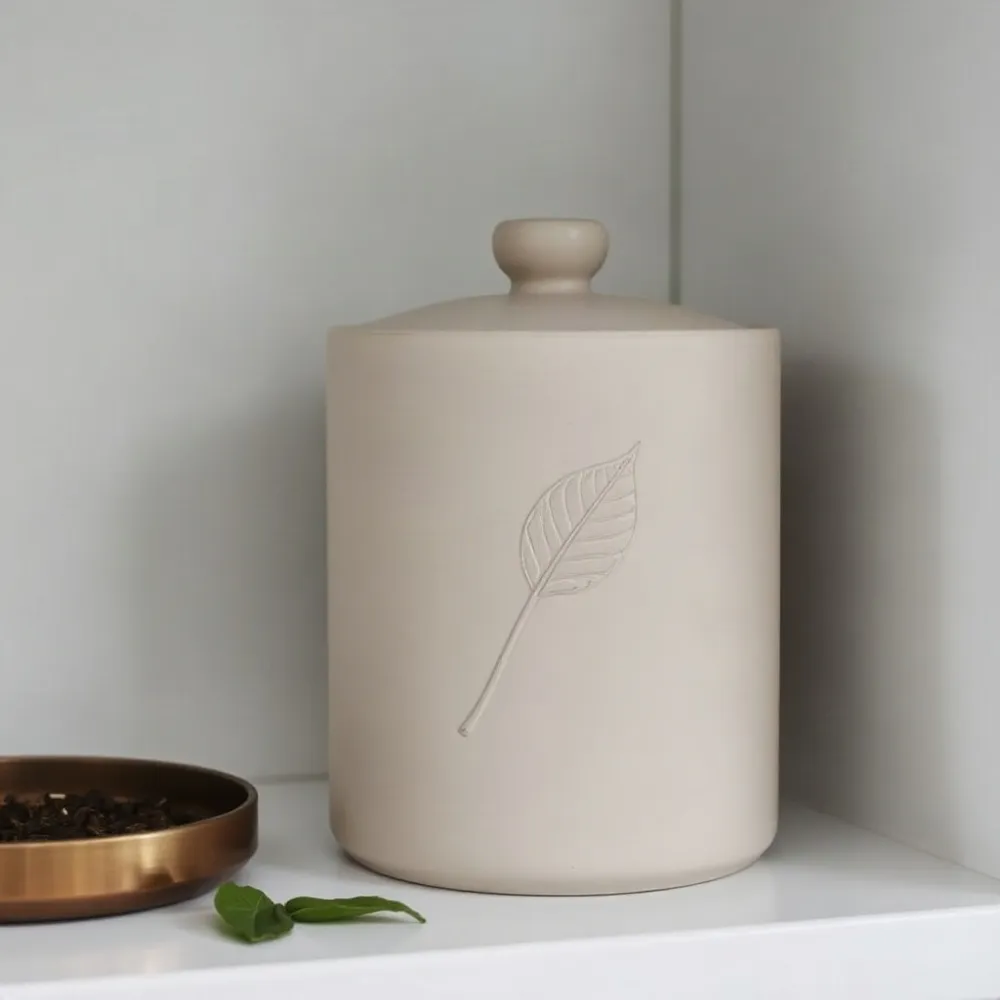
When it comes to containers, opaque and airtight materials win every time. Tin, stainless steel, and ceramic canisters with tight-fitting lids or silicone seals provide excellent protection, blocking light and sealing out moisture and odors. The moment you open a bag of tea, transfer the leaves to one of these containers — this single habit is the most effective step you can take to lock in freshness.
Containers to Avoid
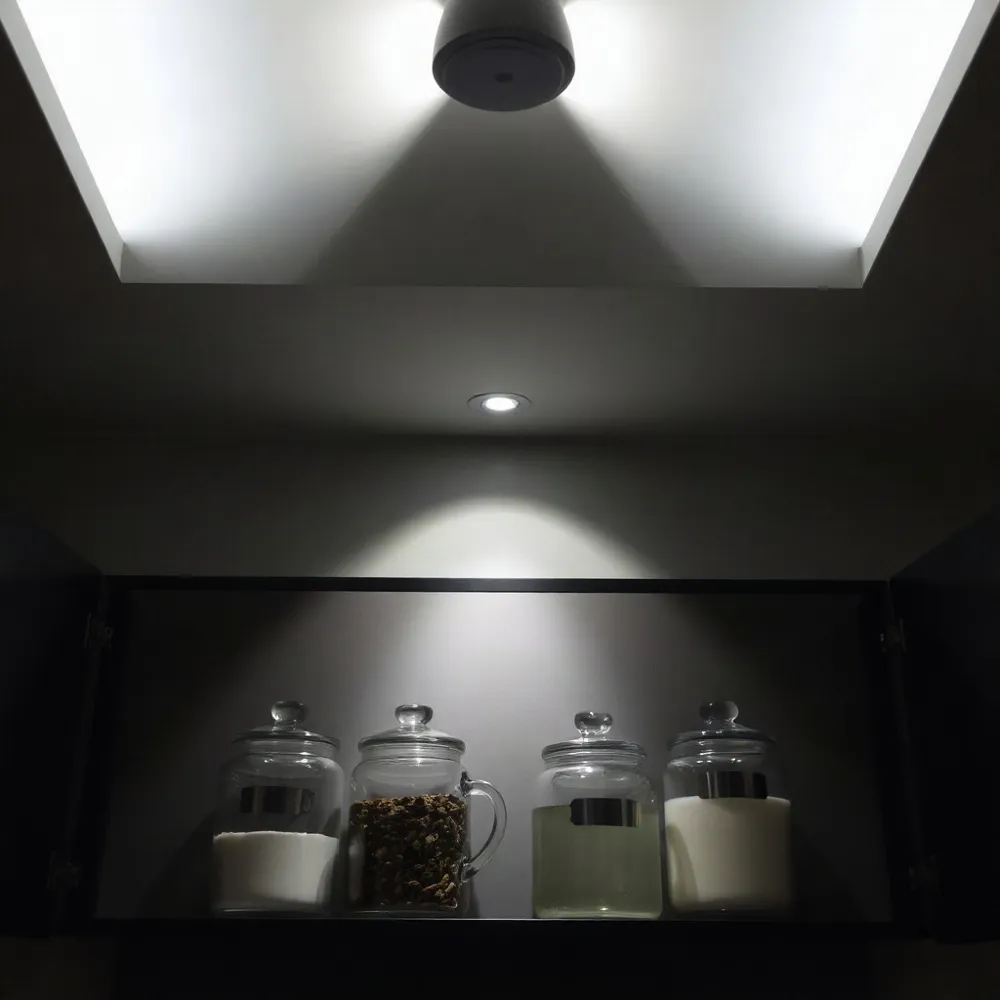
Clear glass jars may look pretty on the counter, but they let in UV light that degrades flavor and nutrients; they are acceptable only if stored inside a dark cabinet. Plastic containers can absorb and later transfer unwanted chemical or food odors. Wooden or bamboo containers risk imparting their own aromas and are porous, allowing moisture and air to reach the leaves. Even the original packaging may not be ideal; while some foil bags are resealable and lightproof, cardboard boxes and soft plastic pouches offer little protection against air and humidity.
For tea drinkers who value the direct-farm character of their leaves, a proper storage container is an investment in every cup. ZYANNA encourages customers to transfer tea immediately upon receipt, using an airtight tin or ceramic jar placed in a cool, dark cabinet. This simple step preserves the authentic, garden-fresh taste that comes from working with small-scale Himalayan and Assam growers, ensuring each sip reflects the quality of the original harvest.
Storing Different Tea Types
Storing Different Tea Types Just as every tea tells a story of its origin, each type ages in its own way. The level of oxidation and processing each leaf undergoes determines how it responds to storage conditions. Understanding these differences helps you protect the unique character of every tea in your collection, ensuring you enjoy both its flavor and health benefits to the fullest.Green and White Teas. These are the most delicate, cherished for their fresh, grassy notes that speak of spring harvests. Because they undergo minimal oxidation, their vibrant flavors fade quickly. For peak flavor and maximum antioxidant retention, consume them within 2 to 6 months of opening. Store them in an airtight, opaque container away from light and heat. ZYANNA’s first-flush Darjeeling greens, sourced directly from small family farms in the Himalayas, are prized for their subtle complexity and sustainable cultivation. They deserve this extra care.Black Teas and Oolongs. More robust leaves that carry the heritage of centuries-old tea traditions. Black teas, like a classic Assam or Darjeeling, can retain their character for 1 to 2 years when stored in an airtight tin. Oolongs with higher oxidation levels also age well, while lighter oolongs are closer to green tea in sensitivity. A cool, dark cupboard is all they need. ZYANNA’s black teas come from estates that practice sustainable agriculture, preserving the land for future generations.Pu-erh Tea. Pu-erh follows its own rules, much like a fine wine. It is meant to age, developing complexity over years. It needs air flow and a stable humidity level between 40% and 65%. Do not seal it in an airtight container. Keep it away from strong odors and check it periodically — mold signals that the tea must be discarded. ZYANNA’s pu-erh cakes are sourced from ancient tea trees in Yunnan, where traditional, sustainable harvesting methods have been used for centuries.Herbal and Flavored Teas. Tisanes, fruit blends, and scented teas like jasmine or chai are potent. Their added aromatics can easily transfer to neighboring leaves. Store them in their own sealed containers, physically apart from unflavored teas, to preserve every blend’s intended profile. ZYANNA’s herbal blends are crafted with organic ingredients, supporting both your well-being and the environment.
ZYANNA’s collection spans over 150 varieties, from delicate Himalayan whites to robust Assam blacks, each sourced with care for quality and sustainability. Grouping teas by type and labeling each container with its purchase date makes rotation simple and ensures that the most perishable leaves are enjoyed first, so you can savor every cup with confidence.
What to Avoid in Tea Storage
Keep Your Tea Out of the Fridge
It might seem logical to store tea in the refrigerator, but for most teas, this does more harm than good. When you take a cold container out of the fridge, moisture condenses inside, introducing dampness that can quickly ruin the leaves. The only exception is matcha or rare green teas kept in a completely airtight container.
Freezing tea is similarly risky. The temperature fluctuations from moving tea in and out of the freezer cause condensation, which invites moisture and spoilage. For these reasons, both ZYANNA and tea experts recommend a cool, dark cupboard over the fridge or freezer.
Steer Clear of Strong Odors
Tea leaves are like sponges — they absorb strong smells from their surroundings with surprising ease. Storing tea near spices, coffee, garlic, or cleaning products can permanently alter its delicate flavor profile. Keep your teas away from the kitchen spice rack or any area with strong scents.
The same principle applies to flavored teas; aromatic blends like chai or peppermint should be stored in separate airtight containers from your unflavored teas, or the flavors will mingle. Separate storage for herbal and flavored teas helps preserve the authentic character of each variety.
Avoid These Everyday Storage Pitfalls
Damp utensils. Always use a completely dry scoop or spoon to handle tea leaves. Even a tiny amount of moisture from a damp utensil can introduce mold and spoil an entire batch.Oversized containers. A large tin with only a small amount of tea leaves leaves too much air inside, accelerating staleness. Store tea in containers that match the quantity you will use in a few weeks.Hot or sunny spots. Never store tea near the stove, on a windowsill, or above the oven. Heat and UV light break down tea's essential compounds and fade its fragrance. A pantry or dark cabinet is a much better home.
| Mistake | Why It Harms Tea | Better Practice |
|---|---|---|
| Refrigeration | Condensation adds moisture | Store in a cool, dark cupboard |
| Near spices/coffee | Tea absorbs odors | Keep in separate airtight containers |
| Damp spoon or scoop | Introduces mold risk | Always use dry utensils |
| Oversized tin | Excess air causes staleness | Use container close to the batch size |
| Above stove or windowsill | Heat and UV degrade flavor | Store in pantry away from heat |
ZYANNA's commitment to freshness means each batch is packed and shipped quickly, so the teas you receive are as fresh as the day they were harvested. By following these guidelines in your own kitchen, you can preserve that quality and enjoy the full character of every cup.
How to Tell If Your Tea Is Stale
The most reliable test requires no special equipment — just your own senses. Open the container and take a deep sniff of the dry leaves. If you cannot detect any distinct aroma, the tea has likely gone stale and will offer little flavor when brewed. This simple check is widely recommended by tea experts as the first step in assessing freshness.
Brew a cup and examine the result. Stale tea produces a flat, weak flavor with a dull, muddy color — a far cry from the bright, complex liquor you expect from a fresh batch.
Visual and Physical Signs
Inspect the leaves for visible changes. Dampness or clumping suggests that moisture has found its way inside, while a change in color from vibrant greens and deep blacks to faded, dull browns indicates that light or heat has done its damage. Mold is a definitive sign that the tea should be thrown away immediately.
What to Do with Stale Tea
While stale tea is generally safe to drink, it offers little enjoyment in a cup. The leaves can still be used in recipes where texture matters more than aroma — try them in a homemade chai blend, a cold brew iced tea, or as an ingredient in cooking. For the best flavor experience, fresh tea is always preferable.
Tips for Buying and Rotating Tea
The best way to keep a vibrant tea collection is to buy fresh tea in small quantities and order often. Rather than stocking up on large bags that sit open for months, purchase only what you will drink in a few weeks. This simple habit reduces the time your leaves are exposed to air and moisture, preserving their delicate character.
When choosing teas, look for the picking date on the packaging. Teas that list their harvest time offer the clearest picture of freshness. Drink seasonal teas soon after harvest — especially first-flush spring teas, which have the most intense aromatics and, as many growers note, degrade faster than autumn-harvest batches.
A small habit makes a big difference: label each container with the harvest date and the opening date. This helps you rotate your stock so that older teas are used before newer ones. Start with the first-flush and spring teas, since they lose their vitality sooner. By following these practices with ZYANNA’s collection of over 150 varieties, you ensure every pot delivers the garden-fresh flavor the brand is known for.
Safeguarding ZYANNA’s Premium Flavors
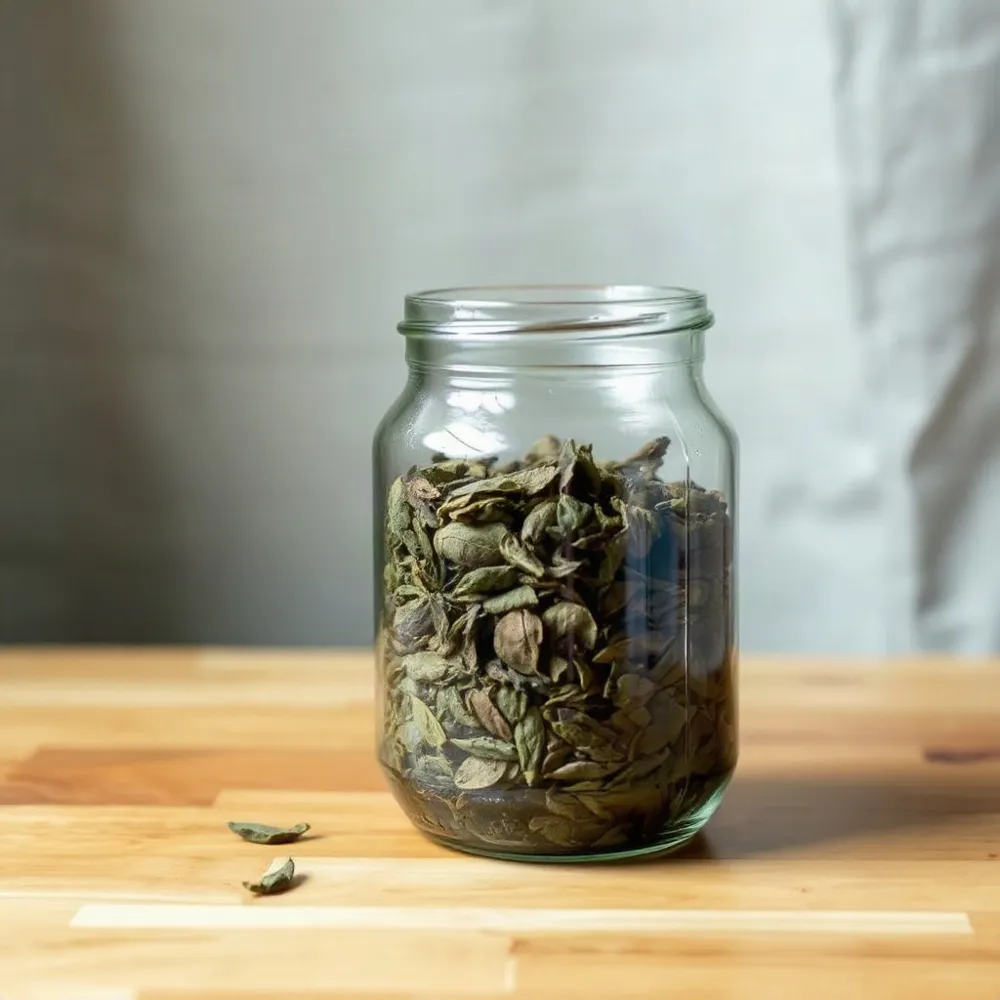
ZYANNA’s promise of freshness begins long before your tea arrives. By sourcing directly from small‑scale growers in the Himalayas and Assam, the brand ensures the leaves travel from garden to cup with minimal delay. That freshness is a precious asset, and how you store your ZYANNA teas at home determines how much of it you get to enjoy.
First-flush Darjeeling teas are among the most prized harvests in the world. Their delicate, floral notes and light body capture the earliest growth of the season. Because of their minimal oxidation, these teas are especially sensitive to light, air, and heat. To preserve their character, store them in opaque, airtight containers—tin or ceramic work well—and place them in a cool, dark cabinet. For optimal flavor, consume first‑flush Darjeeling within a few months of opening.
The same care applies to ZYANNA’s herbal infusions and caffeine‑free options, which are popular among health‑conscious shoppers. These blends often contain dried fruits, flowers, or essential oils that degrade quickly when exposed to UV light and oxygen. An airtight container in a dark cupboard keeps their natural aromas intact and prevents them from picking up surrounding odors.
ZYANNA’s direct‑from‑grower model means the tea you receive is as fresh as it can be. Treating it with the same respect the growers showed it—using dry utensils, avoiding temperature swings, and sealing it away from strong scents—extends that garden‑fresh quality into every cup you brew.
Savor Every Sip with Proper Care
Great tea deserves thoughtful storage. By keeping your leaves cool, dark, airtight, and away from strong odors, you protect the delicate flavors and health benefits that make each cup special.
Invest in quality opaque containers and buy fresh tea in small quantities so you always enjoy it at its peak. Tea is a living product that rewards careful attention — treat it well, and it will reward you with every sip.
With these simple habits, you can shop the ZYANNA collection with confidence, knowing that every handpicked Darjeeling, matcha, or herbal infusion will arrive at your cup tasting exactly as its growers intended.


