


Brewing Darjeeling First Flush: A Step by Step Guide
A Cup Shaped by Spring
Brewing Darjeeling First Flush at home is a small spring ritual: warm water, fragrant leaves, and a few quiet minutes as the cup comes together. A gentle touch lets the season’s first growth speak for itself.
Expect a light, fresh infusion, often with floral notes and a brisk finish. Each harvest reflects its garden and growing conditions, so the same tea can vary from one batch to another. Follow the tea’s own brewing directions first, then adjust to taste.
ZYANNA sources teas directly from small-scale growers, bringing the character of India’s tea gardens closer to your cup. For more guidance on the spring harvest and its delicate profile, see Darjeeling tea for beginners.
Meet the First Flush
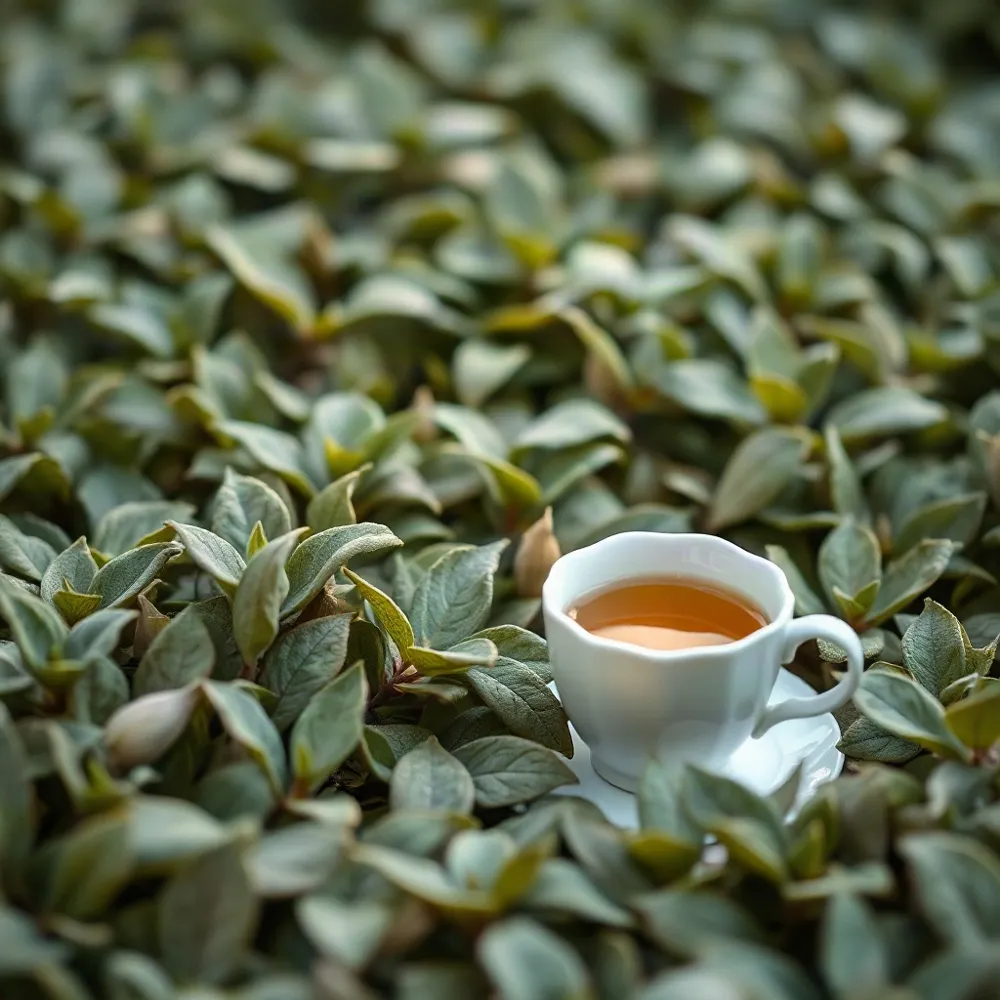
A tea flush is a seasonal picking, and First Flush means the first new growth gathered after the tea bushes’ winter rest. In Darjeeling, that spring harvest generally runs from February into April, with timing shaped by each garden’s location.
Pluckers gather tender young leaves and buds as the bushes begin to grow again. The gardens’ high Himalayan slopes, cool air, and varied terrain help shape the tea, though no two gardens or harvests taste exactly alike. At ZYANNA, direct-farm sourcing supports growers and helps bring the character of each garden to your cup.
Expect a light, brisk infusion with a fresh floral character and, in some teas, fruity or muscatel notes. The liquor may appear pale gold, while a gentle astringency gives the cup a lively finish. These qualities vary by garden and harvest.
First Flush is often less oxidized than many black teas, which helps retain its spring freshness and delicate aromas. Those young leaves can lose their subtle character under overly hot water or a long steep, so careful brewing matters. For a closer look at how season shapes Darjeeling’s flavor, see ZYANNA’s guide to Darjeeling tea.
Prepare Water and Brewing Gear
The delicate spring character of First Flush begins with water that tastes clean and neutral. Fresh, filtered water is a reliable choice: very hard or alkaline water can mute the tea’s fragrance, while distilled water may leave the cup tasting flat.
You do not need specialist equipment. A roomy loose-leaf infuser or a teapot fitted with an infuser lets the leaves open as they steep and makes them easy to lift out when the brew is ready. The leaves reflect the distinct character of each garden and harvest.
If your cup or pot feels cool, rinse it with hot water and empty it before adding the leaves. This optional warming step helps the brewing water hold its heat, especially in a chilly kitchen. A regular kettle and a simple infuser are enough to make a careful cup.
Use freshly heated water where possible rather than boiling the same water again. Reboiling is easy to avoid, and fresh water keeps preparation straightforward while giving the tea a clean starting point.
Measure Leaves and Set Temperature
For a balanced cup, start with about 2 grams of loose tea per 200 to 250 ml of water. Weighing the leaves gives a steadier result than using a spoon, since broad, airy leaves take up more space than smaller, denser ones.
First Flush usually prefers gentler heat than many black teas. Water straight off a rolling boil can draw out harshness from its tender spring leaves, masking the fresh, floral character that makes each harvest distinctive.
A practical starting range is about 80 to 90°C. Some brewing guidance favors the lower end, while other recommendations begin around 85°C. If you do not have a temperature-controlled kettle, bring the water to a boil, then let it cool briefly before pouring.
Treat the range as a guide, not a fixed rule. Darjeeling varies with its garden, harvest and processing, so the same settings may taste different from one batch to another. When available, the tea-specific brewing directions are the best place to begin.
Adjust the water slightly cooler or warmer, or change the leaf measure a little. This lets the cup reveal its own character while keeping delicate notes in balance.
Steep, Taste, and Remove the Leaves
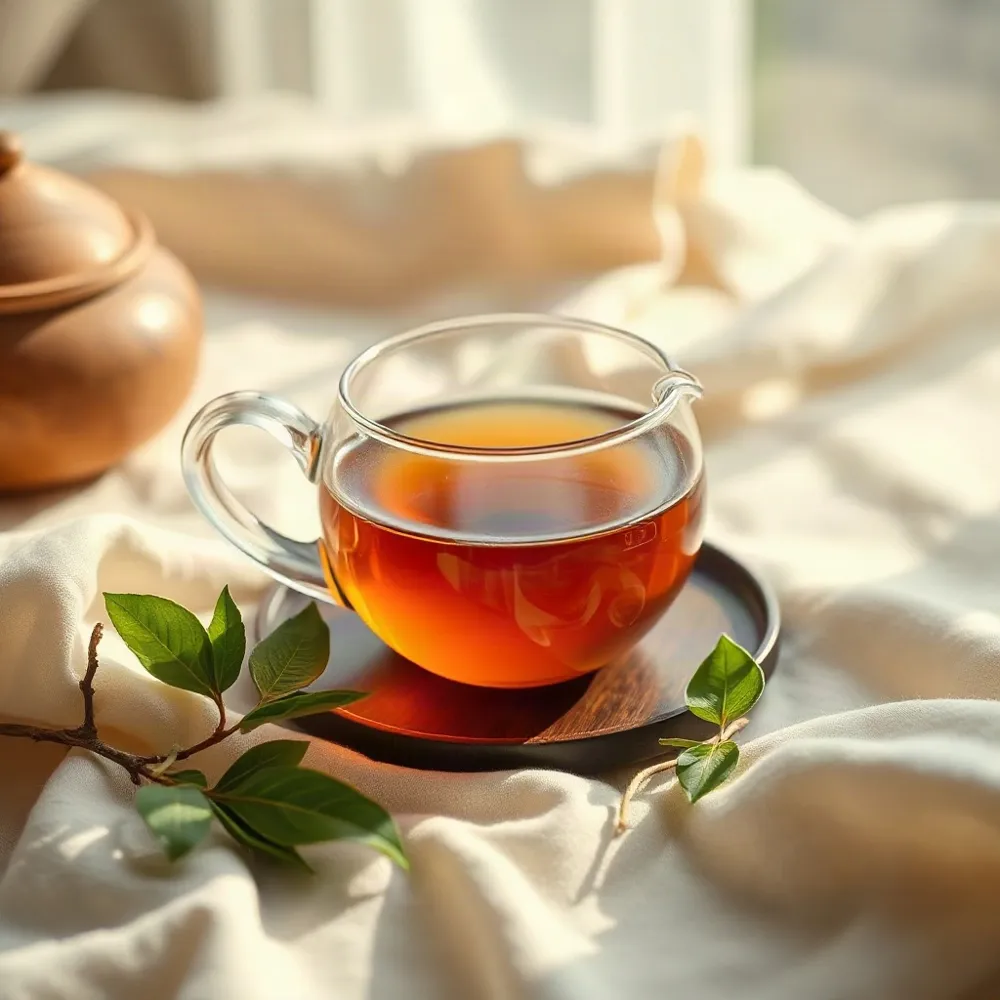
With the measured leaves ready, pour in the prepared water and cover the infuser or pot. Covering helps hold warmth as the leaves open and release their spring fragrance.
For First Flush Darjeeling, treat 2 to 4 minutes as a useful starting window. Begin at the shorter end, then taste. A brief infusion often keeps the cup light and floral, while a little more time can add body. Each tea and harvest differs, so follow any brewing guidance supplied with the leaves.
Watch the balance as the tea steeps. Longer contact can bring out more dryness and bitterness, which may overshadow the delicate character of the leaves. A timer makes it easier to stop at the moment you prefer rather than letting the brew run on.
When the flavor is right, lift out the infuser or strain the leaves completely. Removing them promptly stops extraction and helps keep the tea from turning harsh in the pot or cup. Tea-specific guidance is useful because each harvest has its own character.
A well-brewed cup should look clear and golden to amber, with a fresh floral fragrance rising from the surface. Let those simple cues guide your next infusion: taste first, then adjust the steep slightly to suit the particular leaves.
Serve Simply and Explore Further Infusions
Begin with the first cup plain. Darjeeling First Flush can carry delicate floral and fruity notes that milk may soften, so tasting it without additions lets the character of the spring leaves come through. Trying a cup as it is offers a simple way to notice each harvest’s distinct qualities.
There is no single rule for serving tea. A little lemon or honey can offer a different balance, while light pastries, fruit tarts, and mild cheeses make gentle companions. If the leaves’ own instructions suggest a particular approach, follow them first, since First Flush teas vary in strength and flavor.
Many premium First Flush leaves can be infused again. The next cup may be lighter, with a subtly different expression of the leaf, so taste it before deciding whether to steep it longer. Adjust the time to suit your preference, guided by the tea’s specific brewing directions rather than assuming every harvest will behave alike. Each infusion offers an invitation to notice those differences.
Keep the Tea Fresh

Your journey to a perfect cup begins even before the kettle is filled. When you store your first-harvest leaves with care, their delicate spring character is more likely to greet you in the cup. Keep them in an opaque, airtight container in a cool, dark place, away from moisture, light, coffee, spices, and other strong-smelling goods, just as tea lovers have done for generations.
This delicate tea is best enjoyed relatively soon, while its fresh, bright qualities are at their most vivid. Proper storage can preserve the tea for up to a year, though that is a guide rather than a reason to wait. For advice suited to a particular garden and harvest, follow the tea’s brewing directions.
The leaves may respond differently from one harvest to another. A gentle approach helps reveal the tea’s spring notes without letting storage or brewing choices overwhelm them.
Let the Leaves Lead
Let the leaves guide your adjustments: fresh water, a measured portion, gentle heat, and a brief steep give First Flush room to show its spring character. Strain promptly, then taste before changing anything.
Each harvest has its own voice, shaped by garden and season, so follow the tea’s brewing directions. ZYANNA’s teas come from growers in India. With attention, the ritual stays simple, personal, and rooted in the leaf.


