


Beyond the Leaf Black Tea Versus Oolong Explained
Two Leaves, One Beautiful Spectrum
The most fundamental difference between oolong and black tea lies in how much the leaves are allowed to oxidize after plucking. Oxidation is the natural enzymatic process that turns freshly picked green leaves from bright and grassy to darker and richer. Black tea is fully oxidized, meaning the leaves go through the complete process until they turn deep, almost black. Oolong tea, by contrast, sits in the middle of the spectrum, typically reaching only 10% to 80% oxidation depending on the style. This single variable drives nearly everything else, from color to caffeine content to mouthfeel.
From Garden to Cup: How Processing Shapes Flavor
After withering, tea leaves go through a series of steps that define their character. For black tea, full oxidation produces the bold, malty, and sometimes smoky notes that tea drinkers associate with a hearty breakfast cup. Oolong tea, on the other hand, is partially oxidized and often undergoes a unique step called bruising or shaking, which breaks down the leaf edges and encourages a more controlled, uneven oxidation. The result is a tea that can taste floral, fruity, creamy, or roasted, depending on how the leaves are handled. As ZYANNA explains in its exploration of oolong varieties, this craft allows a single leaf to offer a surprising range of flavors that black tea rarely achieves.
Both oolong and black tea come from the exact same plant species, Camellia sinensis. The difference is not botanical but artisanal. The Tea Spot notes that processing style, not the leaf itself, is what separates green, oolong, and black teas. This means a skilled tea maker can coax entirely different personalities from the same harvest.
Caffeine Content: A Gentle Lift vs a Stronger Kick
Because oxidation affects how caffeine is released during brewing, the two teas differ in their stimulating effects. Black tea generally contains more caffeine than oolong, making it a popular morning choice. Oolong tea, with its partial oxidation, offers a more moderate and sustained lift that many find gentler on the stomach. Caffeine in Tea: Which Types Have the Most and Least? breaks down the exact numbers across varieties, noting that brewing time and leaf-to-water ratio also play a role. For those watching their intake, oolong offers a happy middle ground, and ZYANNA’s caffeine-free options provide an even lighter alternative.
Flavor Profiles: Floral and Creamy vs Bold and Malty
Taste is where the two teas truly diverge. Oolong tea is prized for its complex, layered flavors that can range from buttery and sweet to roasted and woody. High-mountain oolongs often carry notes of orchids, honey, or even ripe fruit. Black tea, in contrast, delivers a straightforward, robust character with malty, earthy, or sometimes smoky undertones. Medical News Today highlights that oolong’s partial oxidation preserves more of the natural antioxidants found in the fresh leaf, which may contribute to its smoother, less bitter finish.
ZYANNA’s direct relationships with small-scale growers in the Himalayas and Assam ensure that each harvest retains its distinctive terroir. For a tea that feels both comforting and intriguing, the oolong varieties at ZYANNA offer a gentle, meditative sip, while black tea provides the bold backdrop for a classic morning ritual.
Health Benefits and Antioxidants Compared
Both teas are rich in polyphenols, but the type and amount vary. Black tea’s full oxidation converts these compounds into theaflavins and thearubigins, which are linked to heart health and improved digestion. Oolong tea, being less oxidized, retains more catechins, the same antioxidants found in green tea. A 2019 study in the journal Nutrients compared the effects of different teas and found that all varieties, including oolong and black, offered protective benefits, though the mechanisms differed.
For those seeking a caffeine boost with a side of wellness, oolong’s moderate oxidation strikes a balance. WebMD’s overview of oolong tea notes its potential role in weight management and cholesterol control, while black tea’s strength lies in its heart-supporting properties. Choosing between them often comes down to personal preference and how your body responds to caffeine.
Which One Should You Choose?
Your choice depends on the moment. Crave a bold, invigorating start to the day? Reach for a cup of black tea, with its full-bodied depth and higher caffeine. Prefer something more nuanced and soothing for an afternoon break? An oolong’s floral and creamy notes offer a welcome change. As ZYANNA’s guide to oolong vs black tea suggests, many tea lovers keep both on hand, letting the season or the mood decide.
| Aspect | Oolong Tea | Black Tea |
|---|---|---|
| Oxidation | 10% to 80% | Near 100% |
| Caffeine | Moderate | Higher |
| Flavor | Floral, creamy, roasted | Malty, bold, earthy |
| Antioxidants | Catechins (more) | Theaflavins, thearubigins |
| Best for | Afternoon, gentle sip | Morning, strong kick |
When in doubt, remember that both teas come from the same plant and offer a world of flavor. Whether you choose the bold comfort of black tea or the delicate artistry of oolong, ZYANNA’s collection of 150+ varieties ensures you’ll find a perfect cup for every taste.
Oolong and Black Tea Spectrum
- All true teas come from the same plant, Camellia sinensis.
- Oolong occupies the middle ground between green tea and black tea.
- Black tea is fully oxidized (90% to 98%), producing a bold, malty character.
- Oolong's oxidation ranges from 10% to 80% depending on the style.
- Lighter oolongs stay near green tea in character; darker, roasted oolongs move toward black tea.
- Oolong typically contains 30–50 mg of caffeine per 8-ounce cup, placing it between green and black tea.
- Oolong offers notes of flowers, fruit, honey, and toasted nuts rarely found in black tea.
- Prized oolongs come from the high mountain regions of Taiwan and the Wuyi Mountains of China.
- ZYANNA sources oolongs directly from small‑scale growers in the Himalayan region and Assam.
- Choosing ZYANNA supports sustainable farming and fair‑trade practices.
1. The Oxidation Spectrum: Where Oolong Fits
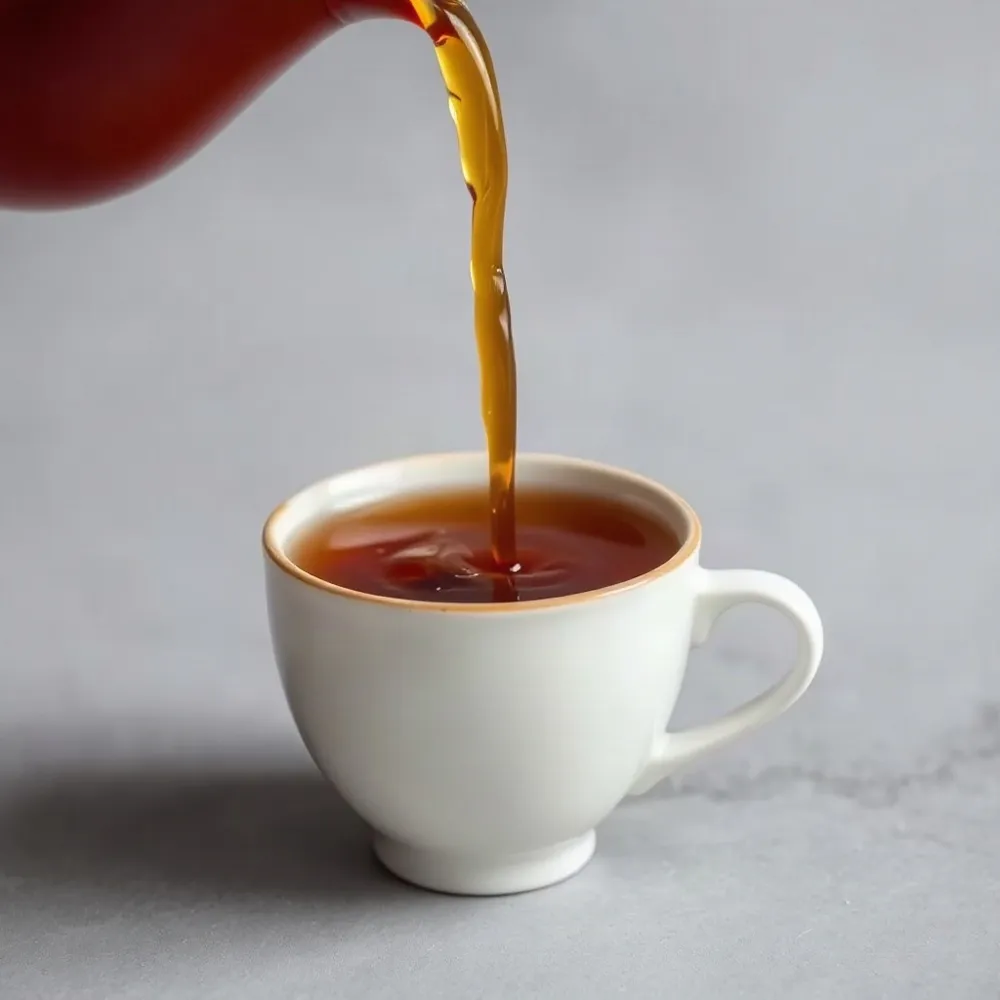
Understanding where oolong sits in the broader tea spectrum starts with oxidation. All true teas come from the same plant, Camellia sinensis, but how long the leaves are allowed to oxidize after plucking changes the flavor, color, and caffeine profile dramatically. Oolong occupies the middle ground between green tea, which is unoxidized, and black tea, which is fully oxidized. The partial oxidation gives oolong its signature range, from floral and light to rich and roasted.
The Oxidation Spectrum: Where Oolong and Black Tea Diverge
Oxidation is the chemical reaction that turns tea leaves from green to brown and deepens their flavor. Black tea is fully oxidized, usually around 90% to 98%, which produces its bold, malty character and dark amber cup. Oolong sits in between, with oxidation levels that can range from about 10% to 80% depending on the style. Lighter oolongs, like jade oolong, stay close to green tea in character, while darker, roasted oolongs move toward the depth of black tea. This flexibility is why oolong can taste so different from one cup to the next.
The oxidation level also affects the tea's caffeine content and mouthfeel. Black tea generally contains more caffeine than oolong, but the difference is modest and varies with brewing time and leaf amount. For a detailed comparison of caffeine levels across tea types, including oolong versus black tea, check out this caffeine guide. Oolong's partial oxidation also gives it a smoother, more layered taste, with notes of flowers, fruit, honey, and toasted nuts that you rarely find in fully oxidized black teas.
For tea lovers who want a middle path, oolong offers a unique bridge. It has the freshness and vegetal notes of green tea, yet the depth and roundness that come from fermentation. This is why many people describe oolong as the most versatile tea family. Whether you prefer a light, floral brew for afternoon sipping or a darker, roastier cup to pair with food, oolong can be adapted to suit your mood and the moment.
A Closer Look at Oolong Varieties
The term oolong covers a wide range of teas, each with its own oxidation level and processing style. Some are rolled into tight balls that unfurl during steeping, while others are twisted into long, curly leaves. The most prized oolongs come from the high mountain regions of Taiwan and the Wuyi Mountains of China, where the cool, misty climate and mineral-rich soil shape the leaves' character. For a deeper dive into what makes oolong distinctive, explore this guide to oolong tea.
Oolong vs. Black Tea: A Side-by-Side Look
2. Rolled, Twisted, and Curled: The Art of the Leaf
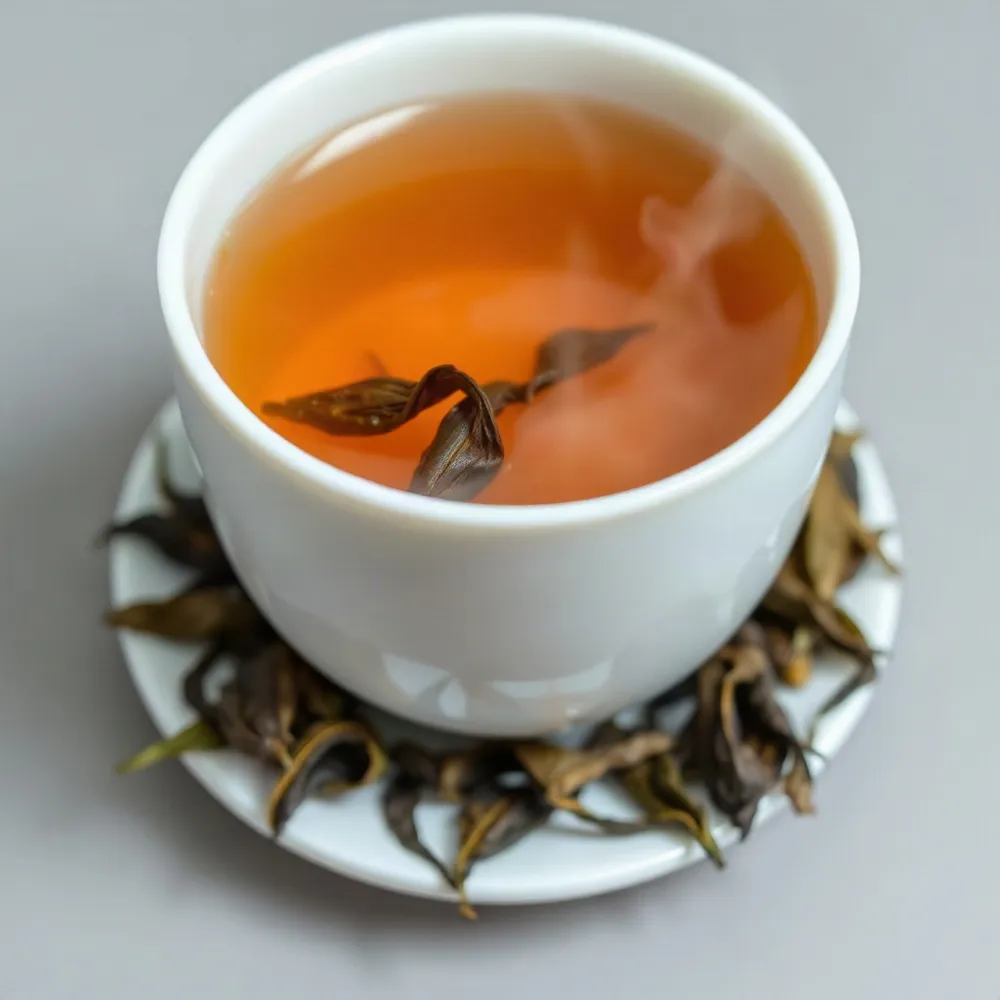
Oxidation is the quiet engine behind oolong’s signature character. When tea leaves are bruised and exposed to air, natural enzymes react with oxygen, darkening the leaf and deepening its flavor. Oolong sits at a middle point on this spectrum: it can be barely oxidized at around 10–20% or taken much further, depending on the style. Black tea, by contrast, undergoes full oxidation, which is why its leaves turn deep brown or black and brew a bolder, more astringent cup. This single chemical process creates the dramatic range you taste in each tea type.
The oolong tea rolling process is what gives many oolongs their distinctive ball or twisted leaf shape. Producers roll the leaves after initial withering, which breaks cell walls and triggers oxidation. Depending on the timing, they may stop oxidation early for a greener, more floral oolong, or let it run longer for a toasted, honeyed profile. This is why you’ll find oolongs that taste as fresh and vegetal as a light green tea, alongside others that feel as rich and roasted as a black tea.
For tea lovers, this spectrum means oolong offers a versatility that few teas match. Whether you crave the bright, floral notes of a first-flush Darjeeling oolong or the deep, malty warmth of a darker roast, there’s a cup waiting. It’s this flexibility that has made oolong a favorite among those who want to explore the nuances of tea without committing to one extreme.
What Does Partially Oxidized Mean?
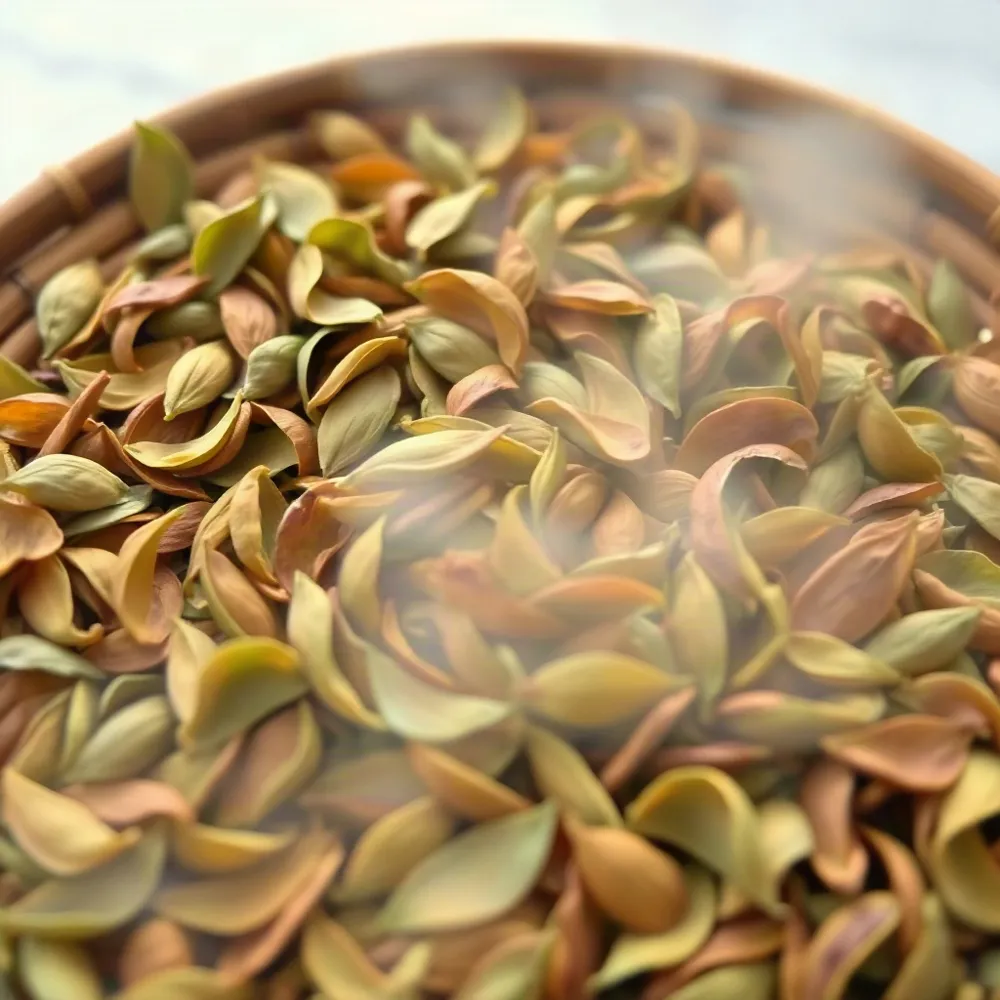
The quickest way to place oolong is through oxidation, the natural process that darkens tea leaves and shapes their flavor. Black tea leaves are fully oxidized, which is why they brew dark and taste bold, while green tea leaves skip oxidation almost entirely and stay light and vegetal. Oolong is the in‑between: it is partially oxidized, typically anywhere from 10% to 80%, which gives it a spectrum of characters ranging from floral and honeyed to toasty and robust.
This partial oxidation happens through a carefully controlled process. After picking, the leaves are bruised to start oxidation, then fired or pan‑fried to stop it at just the right moment. The exact stopping point is what a tea master controls, and it is why two oolongs can taste completely different from one another. As this guide from TeaTulia explains, the same leaf can be coaxed into vastly different cups depending on when oxidation is halted.
Why Oolong and Black Tea Are Easy to Confuse
The confusion between oolong and black tea makes sense, because some oolongs sit at the higher end of the oxidation range, close to fully oxidized. A heavily oxidized oolong can brew a dark, coppery liquor with malty, cocoa notes that remind you of black tea. On the other hand, a lightly oxidized oolong keeps a green, almost jade‑colored leaf and brews a floral, creamy cup closer to a delicate green tea.
Part of the mix‑up also comes from the word “black.” In China, what Westerners call black tea is actually known as “red tea,” while the Chinese term “black tea” refers to a different, fermented category. So when you hear someone ask whether oolong is black tea, the answer depends on which tradition you are using. In the Western sense, oolong and black tea are separate categories, but they share a place on the same oxidation scale.
If you want to see the difference for yourself, this comparison from [Sencha Tea Bar](https://senchateabar.com/blogs/blog/oolong-tea-vs-black-tea?srsltid=AU7gw4VBWHuJWk5fiTxoFtVqrA03OpB6klnhUrU_i5IVvw5jcJNYPm5w) lays out the main contrasts side by side, from caffeine content to brewing style. And for a deeper look at how the two families of tea diverge, this guide from [Golden Tips](https://www.goldentipstea.com/blogs/all/differences-between-oolong-tea-and-black-tea?srsltid=AU7gw4UPWZaA9N2JQ2qevud5VD9DQG3vf3JutxTz9nAqqgkrdkfDZZEF) covers the practical differences you will notice in flavor and aroma.
Caffeine, Flavor, and What to Expect in Your Cup
Because oolong is only partially oxidized, it typically contains a moderate amount of caffeine, sitting between the lower levels of green tea and the higher levels of black tea. The exact amount depends on how the leaves are processed and brewed. This caffeine breakdown from The Whistling Kettle shows where oolong falls relative to other teas, which helps if you are watching your intake.
Flavor‑wise, oolong rewards a curious palate. You might pick up notes of orchid, honey, roasted nuts, butter, or even a hint of stone fruit, depending on the oxidation level and roast. Black tea, by contrast, tends toward malt, spice, and sometimes a brisk astringency. The two are different enough that most tea drinkers can tell them apart in a blind tasting, even if the dark brews look similar.
| Aspect | Oolong Tea | Black Tea |
|---|---|---|
| Oxidation | 10–80% | Fully oxidized |
| Brew color | Greenish‑gold to copper | Deep amber to brown |
| Flavor | Floral, honeyed, toasty | Malty, bold, brisk |
| Caffeine | Moderate | Higher |
| Leaf appearance | Often twisted or rolled | Typically broken or whole leaf |
Finding the Right Oolong for You
If you are new to oolong, start with a lightly oxidized style to experience its floral delicacy, then try a darker roast to see how the same leaf can taste completely different. For anyone who already enjoys black tea, a heavily oxidized oolong can serve as a gentle bridge between the two worlds.
ZYANNA sources its oolongs directly from small‑scale growers in the Himalayan region and Assam, where traditional processing methods are preserved. Each batch is chosen for its distinctive character, whether that is the creamy smoothness of a first‑flush Darjeeling or the roasted depth of a darker style. You can explore what makes oolong tea unique and then browse ZYANNA’s selection to find a cup that matches your taste. And if you are curious about how oolong compares to other teas, this overview from The Tea Spot explains the full family tree.
How Caffeine Compares to Coffee and Green Tea
Oolong tea sits on a fascinating spectrum between green and black tea. The difference comes down to oxidation, the process that turns fresh tea leaves from green to dark brown. Green tea is lightly processed and barely oxidized, while black tea goes through full oxidation. Oolong occupies the middle ground, with oxidation levels ranging from about 10% to 80% depending on the style. As The Whistling Kettle explains, this spectrum also affects caffeine content, with oolong typically falling between green and black tea in caffeine levels.
Oxidation and Flavor: The Heart of the Matter
When tea leaves are plucked, enzymes inside them react with oxygen. This is oxidation. Green tea is quickly steamed or pan-fired to stop oxidation early, preserving a fresh, grassy character. Black tea is fully oxidized, yielding a bold, malty cup. Oolong is partially oxidized, and it's this partial oxidation that gives oolong its signature range: from floral and buttery (like a light Tieguanyin) to roasted and woody (like a dark Wuyi rock tea). Medical News Today notes that oolong's unique processing, including withering under strong sun and bruising the leaves, contributes to its distinctive aroma and taste.
The flavor difference isn't just about oxidation level, though. Oolong leaves are often rolled, twisted, or curled, which affects how they infuse. A light oolong might taste sweet with hints of orchid, while a darker oolong can be rich and toasty. Black tea, by contrast, tends toward robust, sometimes astringent flavors. Green tea stays vegetal and fresh. This variety means oolong can please both those who find green tea too grassy and those who find black tea too heavy.
Caffeine Content: A Gentle Middle Ground
If you're watching your caffeine intake, oolong offers a balanced option. According to caffeine content guides, oolong typically contains about 30-50 mg of caffeine per 8-ounce cup, compared to green tea's 20-30 mg and black tea's 40-70 mg. This places oolong in a comfortable middle, giving you a gentle lift without the jitters some experience from coffee. A cup of oolong can be a perfect afternoon companion, offering focus and calm without disrupting sleep as much as black tea might.
Health Benefits: More Than Just a Warm Drink
Both oolong and black tea come from the same plant, Camellia sinensis, so they share many health-promoting compounds. Research published in PubMed suggests that regular consumption of oolong and other teas may support heart health, aid in weight management, and provide antioxidants that combat oxidative stress. Oolong's partial oxidation means it retains some of the polyphenols found in green tea while also developing the theaflavins and thearubigins typical of black tea. This unique combination offers a broad spectrum of benefits, from supporting metabolism to promoting healthy skin.
For those exploring the world of tea, understanding these differences enriches every sip. Whether you prefer the fresh, vegetal notes of green tea, the bold depth of black tea, or the nuanced middle ground of oolong, each cup tells a story of terroir and craft. ZYANNA sources its oolong directly from small-scale growers in the Himalayan region and Assam, ensuring that each harvest captures the authentic character of its origin. By choosing a oolong tea from ZYANNA, you're not just getting a beverage; you're supporting sustainable farming and fair-trade practices that preserve these traditions for generations.
Making the Right Choice for Your Palate
Choosing between oolong, black, and green tea often comes down to mood and occasion. A light oolong with floral notes is ideal for a quiet morning or a gentle afternoon break. A darker, roasted oolong can stand up to rich foods and cozy evenings. Black tea, with its robust flavor, is a classic breakfast companion. Green tea offers a clean, refreshing start to the day. ZYANNA's curated collection includes all three, allowing you to explore the full spectrum of Camellia sinensis. Whether you're a seasoned tea drinker or just beginning your journey, there's a cup waiting to become your favorite.
For those who love to experiment, consider a side-by-side tasting. Brew a cup of your favorite ZYANNA oolong alongside a green and a black tea from the same estate. Notice the differences in color, aroma, and mouthfeel. This simple practice deepens your appreciation for the craft behind each leaf. As tea experts explain, oolong's complexity rewards patience and curiosity. Each infusion reveals new layers, making it a tea that never gets boring.
| Feature | Oolong Tea | Green Tea | Black Tea |
|---|---|---|---|
| Oxidation Level | 10-80% (partial) | Low (5-10%) | Full (80-100%) |
| Caffeine (per 8 oz) | 30-50 mg | 20-30 mg | 40-70 mg |
| Flavor Profile | Floral, fruity, roasted, buttery | Fresh, vegetal, grassy | Bold, malty, sometimes astringent |
| Typical Brewing Temp | 185-205°F (85-96°C) | 160-180°F (70-82°C) | 200-212°F (93-100°C) |
| Key Antioxidants | Polyphenols, theaflavins | Catechins | Theaflavins, thearubigins |
| Common Styles | Tieguanyin, Wuyi, Dan Cong | Sencha, Longjing, Matcha | Assam, Darjeeling, Earl Grey |
This table gives a quick snapshot, but the real teacher is your taste buds. ZYANNA invites you to explore this diversity with confidence. From the first flush Darjeeling black to a creamy oolong from the high mountains, each tea is a small adventure. And with ZYANNA's commitment to freshness, you can be sure that every order arrives at your door as vibrant as the day it was plucked.
Sustainability and Sourcing: A Shared Heritage
Beyond flavor and health, choosing tea is also a statement about values. ZYANNA works directly with small-scale farmers across India's tea-growing regions, ensuring they receive fair compensation for their labor. This direct trade relationship not only supports rural communities but also yields higher-quality leaves. When you buy from ZYANNA, you're not just buying tea; you're investing in a sustainable future for the tea industry. The brand's focus on freshness and quality means that the tea you drink today was harvested recently, preserving its delicate compounds and lively character.
Whether you choose oolong, black, or green tea, you're partaking in a tradition that spans centuries. Each cup connects you to the mountains, the farmers, and the artisans who bring it to life. So take a moment, breathe in the aroma, and savor the complexity. With ZYANNA, every cup is an invitation to slow down and enjoy the moment.
The Tea Master's Canvas: How Processing Shapes Flavor
The journey from a fresh leaf on the bush to a fragrant cup of oolong is a carefully guided transformation. Every step — from withering to the final sort — is a decision made by the tea master, who balances time, temperature, and touch to shape the leaf's destiny.
Withering and Oxidation: Setting the Stage
It begins with withering, where just-plucked leaves are spread under the sun and gently tossed. This bruises the leaves, breaking cell walls and kickstarting a gentle oxidation. The tea master then allows oxidation to proceed — anywhere from 8% to 80%, depending on the desired style. A shorter oxidation period retains fresh, floral notes, while a longer one draws out deeper, maltier flavors.
Rolling, Roasting, and Drying: The Art of the Finish
When the oxidation reaches the perfect point, the master applies heat — roasting — to halt the reaction and lock in the flavor. The leaves are then rolled, twisted, or curled into tight strands or small balls, a step that defines both the tea's appearance and how it releases flavor during steeping. A final drying reduces moisture, making the tea shelf-stable while preserving its character.
This hands-on craft is why oolong can taste so dramatically different from black tea. Oolong offers a spectrum that ranges from light and creamy to dark and toasty, entirely at the tea master's command.
Withering. Leaves are bruised and dried to initiate oxidation.Oxidation. Controlled from 8% to 80% to set the flavor direction.Roasting. Heat stops oxidation and adds toasty, nutty notes.Rolling. Shapes the leaf and determines how flavor is released.
A Cup of Heritage and Craft
Oolong tea holds a special place in the tea spectrum, bridging the fresh brightness of green tea and the bold depth of black tea. Its character is shaped by the tea master's careful control of oxidation, a craft that has been refined over centuries in China and Taiwan.
ZYANNA celebrates this heritage by sourcing directly from small-scale growers across the Himalayan region, Assam, and other fertile Indian estates. This direct-farm approach ensures fair-trade practices and preserves the authentic character of each harvest. It also means you taste the true essence of the leaf, from first flush Darjeeling to carefully rolled oolongs.
Whether you are drawn to the floral notes of a lightly oxidized oolong or the roasted richness of a darker one, each cup invites you to explore a landscape of flavor. The best way to appreciate these handcrafted teas is to sip them plain, without milk or sugar, and let the aroma speak for itself.
For more on preserving the freshness of your teas, see ZYANNA's guide on Simple Rules for Keeping Your Tea Fresh Longer.


