


Organic Versus Regular Tea Why Source Matters for Flavor
The Leaf, the Land, and Your Cup
Tea is the world's most popular drink after water, with about 70,000 cups consumed every second and global production reaching 6.6 million metric tons in 2024. Behind each cup lies a story of farming, people, and the land they cultivate. Today, more drinkers than ever are asking where their tea comes from and how it was grown.
The difference between organic and conventional tea farming shapes not just the leaf's flavor and aroma but also its health benefits and environmental footprint. Factors such as soil quality, altitude, and processing methods further influence what ends up in your cup.
At ZYANNA, the journey from garden to cup is at the heart of every sip. By sourcing directly from small-scale growers across the Himalayan region and Assam, the brand ensures traceability, freshness, and a connection to the farmers who nurture each harvest. For tea lovers and health-conscious shoppers alike, understanding how farming methods and sourcing practices affect tea quality is the first step toward a more informed and satisfying cup.
Defining Organic and Conventional Tea Farming
What is the difference between organic and regular tea?
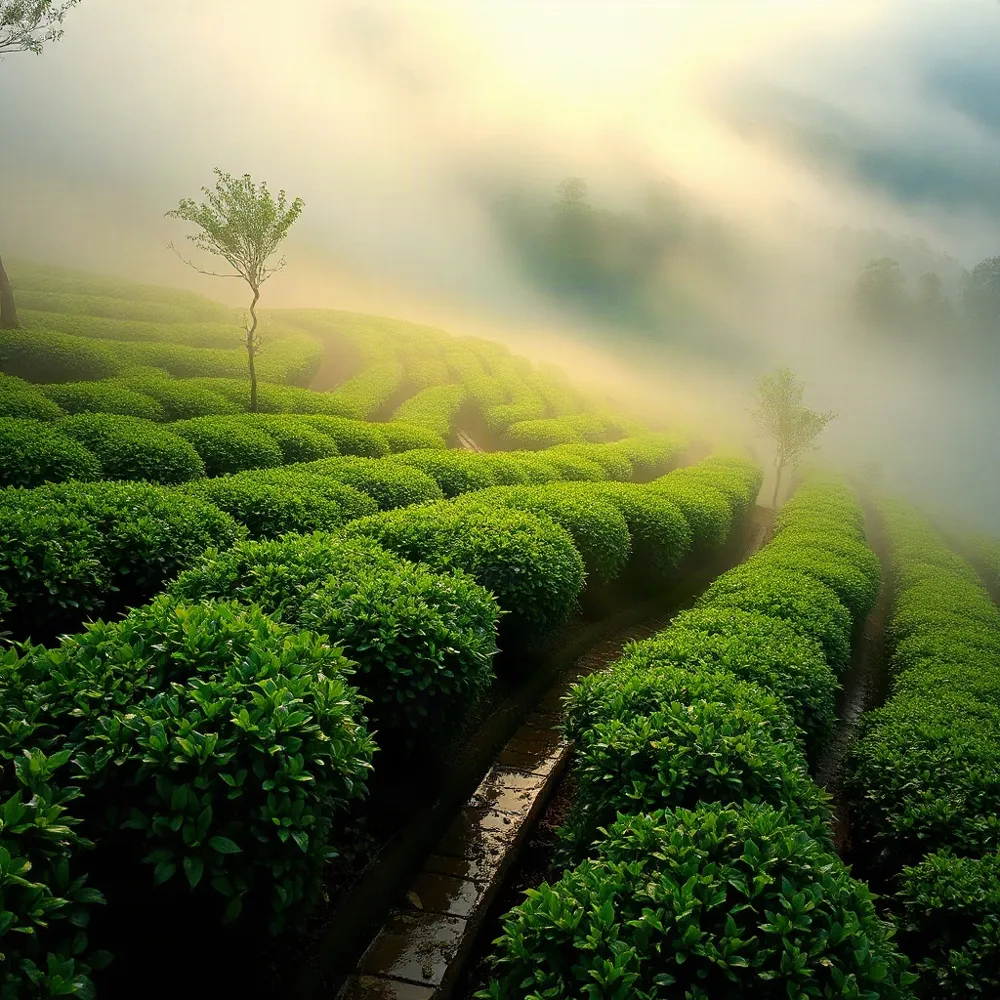
The difference begins in the soil. Organic tea is cultivated without synthetic pesticides, herbicides, or artificial fertilizers. Instead, it relies on natural pest management and soil enrichment methods that comply with standards set by bodies such as the USDA, EU Organic regulations, and Japan's JAS certification. These standards require at least 95% organic ingredients and prohibit GMOs, irradiation, and synthetic additives.
Conventional tea farming takes a different approach, using synthetic inputs to boost yields and control pests. This method often prioritizes volume over the nuanced character of the leaf, resulting in a more uniform product. The tea plant (Camellia sinensis) absorbs whatever is in the soil, so organic soil — rich in natural nutrients and microbial life — allows for a purer expression of the leaf's natural qualities.
For tea lovers and health-conscious shoppers, these distinctions matter. ZYANNA sources directly from small-scale growers across Himalayan regions and Assam who embrace organic and sustainable practices, ensuring that the tea in your cup reflects the care of the land where it was grown. This connection to the source is what sets ZYANNA apart, offering a taste that is both authentic and responsibly produced.
How Farming Shapes Flavor and Aroma

The journey of flavor begins long before the water touches the leaf, in the soil, where the farming method shapes the chemical makeup of the plant. Organic farming uses natural fertilizers and fosters a diverse microbial ecosystem in the earth. This rich soil life boosts the production of natural compounds that build flavor and create a satisfying mouthfeel.
Studies show that organic green tea can contain up to 30% more of the powerful antioxidants that support health and create a richer, more layered taste experience.
Aroma tells a similar story. Organic teas often carry higher concentrations of natural aromatic compounds that create the floral, fruity, and sweet scents that tea lovers cherish. The absence of synthetic pesticides and other chemicals allows these delicate aromas to develop fully, creating a richer captivating bouquet in the cup.
Conventional farming, by contrast, often relies on synthetic inputs to maximize yield. and control pests. While effective, these chemicals can mute the tea's delicate flavor notes, resulting in a uniform, darker liquor and processed taste. The natural complexity of the leaf can be lost, leading to a brew that is strong but one-dimensional.
At ZYANNA, we believe that the best tea comes from the healthiest soil. That is why we source our teas directly from small-scale growers in the Himalayan region and Assam who practice sustainable and organic farming. Their commitment to natural methods, like using compost and maintaining diverse soil life, ensures that the flavor and aroma of our teas are as vibrant and authentic as nature intended. The result is a cup that tells the full story of its origin, from the mountain air to the farmer's care.
The Source Connection: small growers, big impact
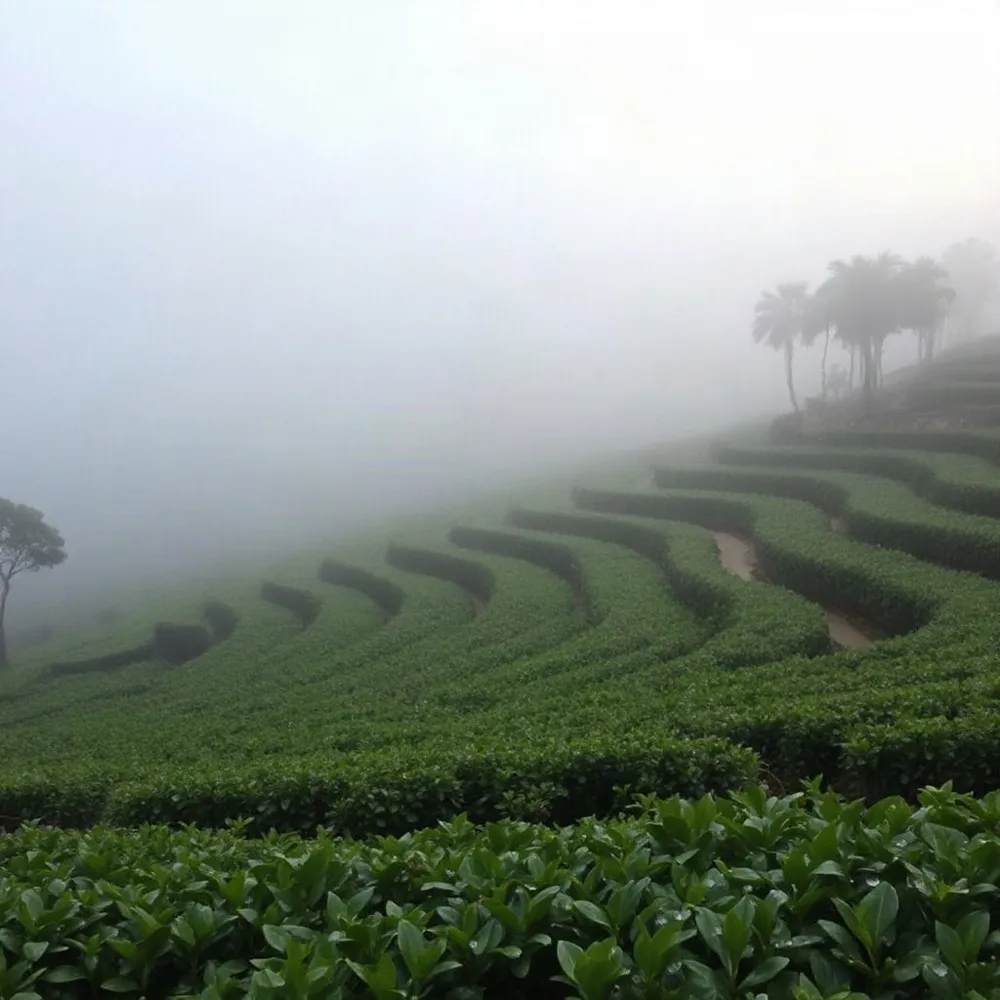
When you choose a cup of tea from ZYANNA, you're not just selecting a flavor — you're supporting a network of small tea growers (STGs) who are the backbone of India's tea heritage. These small-scale farmers, many owning less than two acres of land, now account for nearly 47% of the nation's total tea production, a remarkable shift from the era of massive colonial-era plantations.
The impact is most visible in regions like Tamil Nadu, where over 60% of tea comes from small growers, and in West Bengal, where STGs contribute 54% of the state's output. Much of this production happens in the misty Nilgiri district and the Kangra valley of Himachal Pradesh, where family-run plots have been cultivated for generations.
Small growers tend to rely on traditional, low-input farming methods that respect the land. Their practices often avoid heavy chemical treatments, preserving the authentic character of each harvest. This is a natural fit for ZYANNA's direct-from-farm sourcing model, which empowers growers in the Himalayan region and Assam by ensuring fair prices and full traceability from garden to cup.
For tea lovers, sourcing from small growers means capturing delicate flavor notes that large-scale, mechanized supply chains often lose. When you steep a ZYANNA tea, you taste the true character of the terroir — the same essence that a small-scale farmer in the Nilgiris or Darjeeling has carefully nurtured. It's a chain of quality that starts with the hands that pick the leaf.
Fairtrade: Ethics That Elevate the Cup
A cup of tea carries more than flavor. When you choose Fairtrade certified tea, you support a system designed to ensure tea farmers and workers receive fair wages, safe working conditions, and a collective Fairtrade Premium that they invest in community projects like healthcare, education, and infrastructure. Fairtrade Standards also prohibit forced and child labor, promote gender equality, and encourage climate‑resilient farming practices.
India plays a leading role in this movement. The country supplies almost 62% of the Fairtrade tea volume produced in the Asia‑Pacific region, and over 72% of regional Fairtrade tea sales come from organic production. This strong overlap between ethical and organic sourcing means that choosing Fairtrade is often also a choice for cleaner, more environmentally conscious farming.
For tea lovers, ethical sourcing translates directly to the leaf in your cup. Farmers and workers who are paid fairly can afford to dedicate more care and attention to cultivation and processing, from optimal harvest timing to careful handling. The result is a tea that reflects the true character of its terroir, without the shortcuts that come from cost‑cutting. Brands like ZYANNA embrace this philosophy by working directly with small growers across the Himalayan region and Assam, ensuring that every hand that touches the leaf benefits from the relationship.
Comparing Leaf Quality: Whole Leaves vs. Dust
The journey of your tea's flavor begins with the leaf itself. High-quality tea is defined by how intact the leaf remains. Many small, organic farms honor the traditional craft of whole-leaf processing, which preserves the leaf's natural structure and character, rather than breaking it into tiny, uniform pieces.
When whole leaves unfurl in hot water, they release their flavor gradually, offering a complex and evolving tasting experience with each steep. This gentle infusion also helps retain more of the leaf's natural antioxidants, making each cup not only delicious but also a wholesome choice for your wellness routine. In contrast, the small particles produced by conventional methods release their flavor all at once, resulting in a fast, strong, but one-note cup. The visual sign of a high-quality whole-leaf tea is its vibrant color, intact leaves, and an absence of dust or broken fragments.
Conventional tea production, aiming for cost-efficiency, often relies on processing that yields a more uniform look. ZYANNA focuses on whole-leaf teas sourced directly from small growers, supporting sustainable farming practices and ensuring every cup delivers the layered taste and authentic character that whole leaves provide.
Health Benefits and Purity in Every Sip
When you steep a cup of tea, you are not just releasing flavor — you are also extracting everything the leaf has absorbed from the soil. For teas like matcha, where the entire leaf is consumed, choosing organic makes a meaningful difference.
Organic farming methods do more than reduce chemical exposure. They also help preserve the natural compounds that make tea so beneficial. Organic green tea is known for its higher levels of antioxidants, which are linked to heart health and reduced inflammation, making it a wonderful choice for daily enjoyment.
Well-regulated conventional tea from reputable sources is generally safe, but organic offers a cleaner option without traces of synthetic chemicals. At ZYANNA, we work directly with small tea farms that use organic and traditional methods, ensuring premium quality from leaf to cup. These growers respect the land and the craft, using low-input farming that has been passed down through generations.
This focus on purity means that from the first sip, you are enjoying a cup shaped by healthier soil and cleaner practices. For the health-conscious drinker, organic tea delivers higher antioxidant content with fewer residues, while supporting farming traditions that prioritize long-term wellness over short-term yield.
Brewing the Difference: From Garden to Cup
The journey of tea from garden to cup is a race against time. Freshness is the guardian of flavor, and nowhere is this more evident than in organic tea, where delicate aromatic compounds define the aroma. ZYANNA prioritizes speed in this journey, moving tea directly from small growers to your cup to preserve these precious aromatics.
The Right Brew for Every Leaf
Each tea type has its own ideal brewing personality. White tea, with its gentle leaves, unfurls best at cooler temperatures around 70°C, revealing a subtle sweetness. Green tea needs a slightly warmer touch, around 75-80°C, to release its grassy notes and antioxidant goodness. Black tea, fully oxidized, demands near-boiling water (95°C) to unlock its robust depth. Oolong sits in between, often needing water around 85-90°C and multiple short steeps to explore its evolving character.
- White Tea: 70°C water, steep 2-3 minutes. Gentle heat preserves delicate flavors.
- Green Tea: 75-80°C water, steep 1-3 minutes. Avoids bitterness and releases antioxidants.
- Oolong Tea: 85-90°C water, steep 1-3 minutes. Multiple infusions reveal layers of flavor.
- Black Tea: 95°C water, steep 3-5 minutes. Full heat draws out robust, malty notes.
- Herbal Infusions: 100°C water, steep 5-7 minutes. Boiling water is needed to extract benefits.
Just as proper brewing unlocks a leaf's potential, proper storage is its shield. Light, moisture, and heat are the enemies of organic tea's delicate flavor compounds. A cool, dark, airtight container preserves the vibrancy that ZYANNA's direct-sourcing model works so hard to maintain.
ZYANNA's direct-from-grower model ensures your tea has been handled with care from harvest to packaging, avoiding the months or years of warehouse storage that can dull the flavor in conventional supply chains.
Cost and Value: What You Pay For
You may have noticed that organic teas often carry a higher price tag. This isn't a simple markup — it reflects the true cost of responsible farming. Organic yields are naturally lower without synthetic boosters, certification through bodies like USDA or EU Organic takes time and money, and the preference for whole-leaf harvesting is far more labor-intensive than the crush-tear-curl methods common in conventional production.
That higher price doesn't automatically mean better flavor, but it does buy something real: sustainable practices that build soil health, reduced exposure to pesticide residues (studies found residues in 78% of conventional tea samples versus just 12% of organic ones, per a 2021 study in Food Chemistry)., and traceability back to the farm. For many drinkers, knowing the farmer was paid fairly is as important as the taste in the cup.
Part of that value flows through programs like Fairtrade. The Fairtrade Premium — an additional sum paid on top of the minimum price — goes directly into community-chosen projects: schools, healthcare, or better farm equipment. In India, Fairtrade works with over 378,000 tea farmers and workers, and the premium gives small growers a say in their own future. When you purchase a Fairtrade-certified tea, your choice helps fund those local decisions.
ZYANNA brings this full circle with a direct-from-farm model that removes intermediary markups. By sourcing directly from small-scale growers in the Himalayan region, Assam, and other Indian estates, the brand offers premium organic and Fairtrade-aligned teas at a price that stays fair for both the drinker and the farmer. You get whole-leaf quality, ethical sourcing, and a cup that tells the story of the land it came from.
Environmental Stewardship Through Conscious Choices
Every sip of tea carries an environmental footprint. The choice between organic and conventional farming shapes that footprint in lasting ways.
Organic tea farming builds soil organic matter through composting, and crop rotation. These practices naturally sequester carbon in the ground and prevent pesticide runoff from reaching in local rivers and lakes. Fairtrade standards add another layer of protection by prohibiting deforestation and promoting water-efficient, climate‑resilient tea varieties, safeguarding the ecosystems where tea is grown.
For many small tea growers, the land is their only source of livelihood. Organic methods help them protect that land for the long term, avoiding the soil depletion and chemical dependency that can come with conventional farming. ZYANNA sources directly from such growers, supporting practices that keep the soil healthy and the surrounding biodiversity intact.
Choosing sustainably sourced tea means supporting richer soil, cleaner water, and a smaller environmental footprint. It is a quiet act of stewardship with every cup.
Every Cup Tells a Story.
Choosing a cup of organic, directly sourced tea from ZYANNA goes beyond flavor — it is a decision that honors the land, the grower, and your own well-being.
The difference between organic and regular tea reaches far beyond the label. It touches the farming community that nurtures the plants, the environment that sustains them, and the purity of what ends up in your cup.
By choosing teas from small, sustainable growers, you become part of a movement that values heritage, craftsmanship, and integrity. Every sip supports a network of farmers who pour their care into each leaf.
Explore ZYANNA's collection, where each variety reflects the terroir of its origin and the quiet dedication of the people who grow it. Every cup truly tells a story.


