


Best Natural Herbal Blends for Post Meal Digestion
A Gentle Pause After Eating
After a rich meal, occasional fullness, gas or bloating can make it pleasant to slow down. A warm herbal infusion offers a soothing pause, and some herbs may provide gentle digestive support, though effects vary from person to person.
For tea lovers, a cup also carries the simple pleasure of aroma, warmth and tradition. At ZYANNA, teas are sourced directly from small-scale growers across India’s Himalayan region, Assam and other tea-growing estates, bringing the character of each harvest into the ritual.
Traditional use can help explain why herbs such as fennel and chamomile have found a place in after-meal customs. Still, findings from concentrated oils, extracts, animal studies or small trials do not prove that an ordinary cup will have the same effect. Herbal tea may complement everyday habits, but it is not a guaranteed remedy or a substitute for medical care, as research on herbs and digestion makes clear.
Peppermint and Fennel After Meals
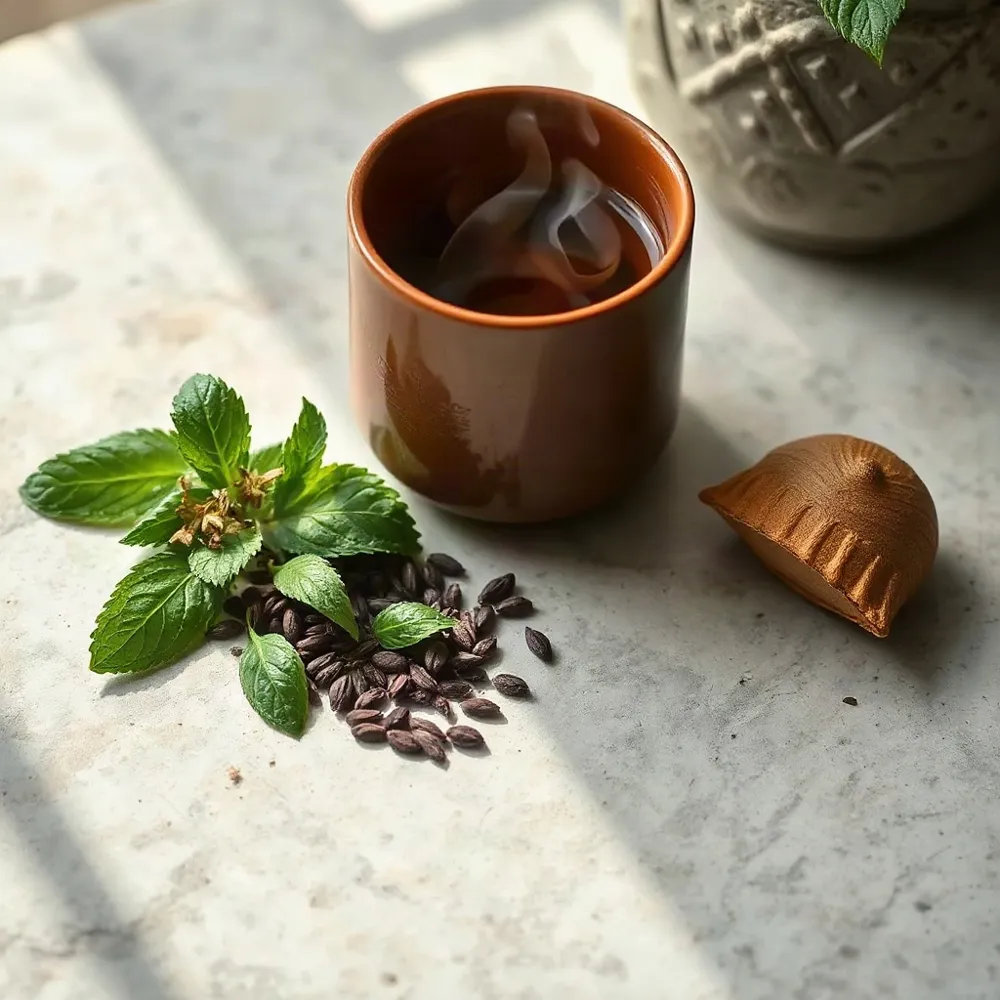
Peppermint and fennel bring familiar, aromatic notes to an after-meal cup. Their long place in food traditions makes them appealing choices for a gentle pause, though research on tea itself is still limited.
Peppermint’s cooling cup
The menthol in peppermint may relax muscles in the gut and ease gas, bloating, or abdominal discomfort. Clinical trials offer stronger support for peppermint oil capsules in irritable bowel syndrome than for peppermint tea, so those findings should not be treated as proof that a cup of tea has the same effect. Research on peppermint and other herbs describes this distinction.
Peppermint is not a comfortable fit for everyone. By relaxing the muscle that helps keep stomach contents from flowing back toward the throat, it may worsen heartburn or acid reflux. If that is a familiar problem, consider a different infusion. The National Center for Complementary and Integrative Health also advises care when using herbs alongside medicines.
Fennel’s gentle, traditional flavor
Fennel seeds are traditionally chewed after meals to freshen breath and support digestion. Their insoluble fibre may help limit gas build-up, while anethole, fennel’s main active compound, relaxes gut muscles in laboratory studies. These mechanisms offer a reason for the tradition, but do not establish that fennel tea treats digestive problems.
A small trial in people with irritable bowel syndrome found less cramp-like abdominal pain with fennel, but broader human evidence remains limited. It is best thought of as a traditional, potentially soothing drink. For a cup with a distinctive herbal character, ZYANNA’s fennel and spice tea guide explores ingredients such as fennel alongside Indian kitchen spices.
Chamomile and Warming Ginger
Chamomile brings a soft, floral note to an evening cup and has a long history of traditional use for indigestion, gas and an unsettled stomach. It is also naturally caffeine-free, making it a familiar choice for those who prefer a gentle drink after dinner.
The evidence for chamomile’s digestive effects remains limited. Much of it comes from traditional use or studies of blends containing other herbs, while animal research cannot establish benefits for people. Findings on chamomile-based drinks for infant colic do not show that chamomile tea eases post-meal discomfort in adults. A simple infusion can still be comforting, but it should not be treated as a proven remedy.
Chamomile is generally considered safe, though it can cause allergic reactions in some people. Reported interactions include warfarin and certain medicines processed by the liver, but the strength of evidence varies. The National Center for Complementary and Integrative Health’s herb-drug interaction guidance advises extra care with herbal products when taking medication. Ask a healthcare professional before making chamomile a regular habit, especially if your treatment requires careful monitoring.
Ginger offers a warmer, gently spiced flavor and is traditionally enjoyed in tea for nausea or an unsettled stomach. A cup made with fresh ginger may feel soothing. For a fragrant, caffeine-free option, ZYANNA’s chamomile tea reflects the brand’s focus on carefully selected herbal infusions.
Indian Kitchen Spices in the Cup
Ajwain, or carom seed, carries the familiar sharp, thyme-like aroma of Indian kitchens. It has also been used in Ayurvedic tradition for gas and bloating, a history reflected in the wider role of spices in everyday food. For tea lovers drawn to these flavors, ZYANNA’s collection includes herbal infusions made with ingredients such as ajwain and cumin.
Ajwain contains thymol, which can stimulate the stomach to produce more acid. That may not suit everyone, particularly those prone to acidity. Animal research suggests ajwain may also affect food movement and digestive activity, but human evidence is limited. Culinary amounts are generally considered safe; pregnant or breastfeeding people should avoid large doses. These distinctions are outlined in research on herbs and digestion.
Cumin has a long place in traditional cooking and digestive practice. Research suggests it may support digestive-enzyme activity and bile release, both involved in breaking down food. A clinical trial reported symptom improvement among people with IBS who took concentrated cumin, but that finding does not establish the same effect from a pinch in a meal or a mild cup of tea.
A separate rat study found food moved through the digestive tract more quickly after cumin, but animal results do not prove the same outcome in people. In a cup, these spices are best appreciated for their warmth, aroma and culinary heritage, not treated as validated remedies. The herbs and spices bring their distinctive character to ZYANNA’s blends.
Building a Balanced Herbal Blend
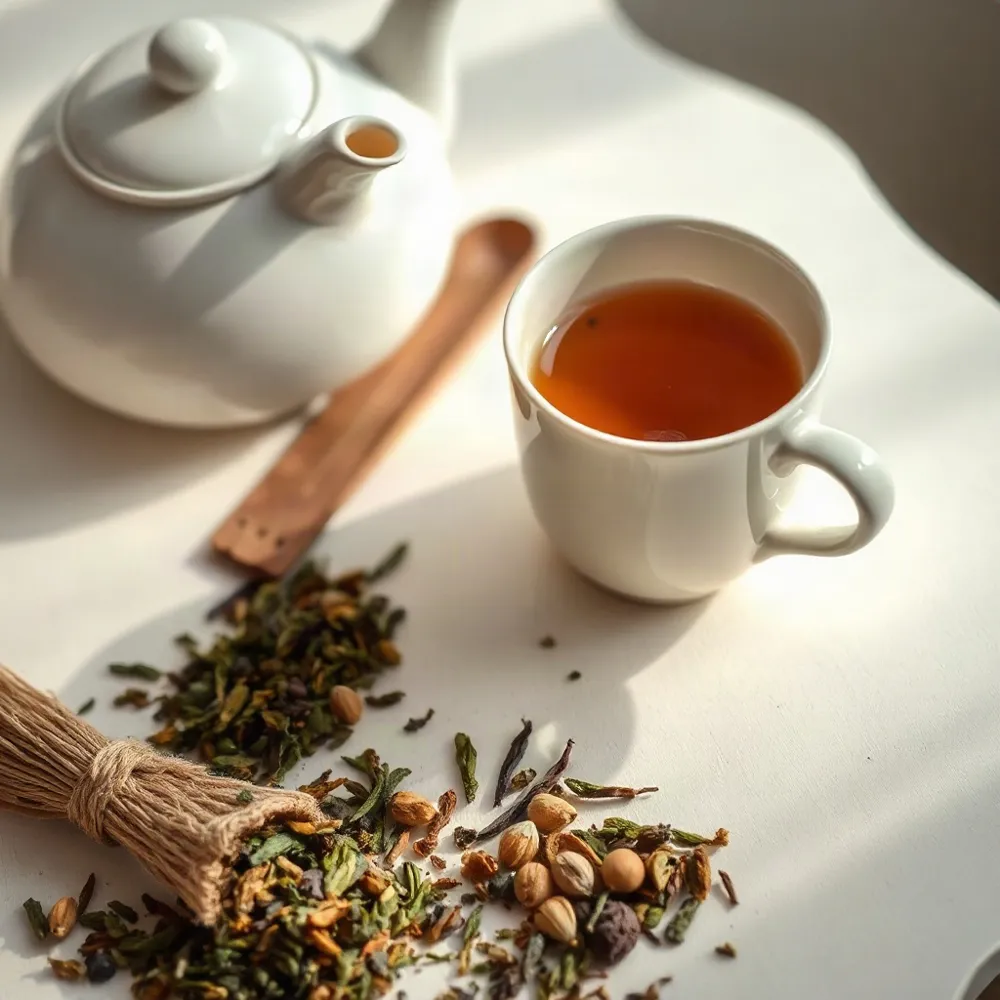
A well-balanced cup can begin with the flavors you enjoy, rather than a promise of stronger effects. Mint paired with fennel brings a fresh, aromatic profile, while chamomile alone offers a softer floral note. Combining herbs does not prove that their digestive effects increase, and evidence for many herbal teas remains limited.
For a thoughtfully sourced cup, ZYANNA draws on India’s tea-growing heritage and sources directly from small-scale growers, with a focus on premium quality and sustainability. Its broad collection includes herbal infusions, but check the ingredient list rather than assuming a particular blend contains mint, fennel, or chamomile.
Follow the preparation directions on the tea’s label, and enjoy it as one part of a balanced diet, not as a treatment for persistent symptoms. A warm, unsweetened herbal tea can also make a pleasant evening ritual; EatingWell’s guidance on herbal tea after dinner presents it as a possible support, not a guaranteed fix.
Simple habits matter alongside the cup: eat slowly, avoid overeating, drink enough water, and consider a light walk after a meal. Sitting or standing for a while instead of lying down immediately may also feel more comfortable. These everyday choices keep the ritual grounded in care, while letting the tea’s aroma and flavor take center stage.
Safety Before Making It a Habit
Herbs bring active plant compounds to the cup, so “natural” does not mean suitable for everyone. If you have a health condition or take prescription medicines, over-the-counter drugs, or other supplements, ask a healthcare professional or pharmacist before making an herbal tea part of your routine. The National Center for Complementary and Integrative Health’s guidance on herb-drug interactions notes that evidence for many proposed interactions is limited or indirect, but extra care is sensible with medicines where small changes can matter.
Dose and form matter, too. Findings about concentrated extracts or high-dose green tea should not automatically be applied to an ordinary cup. Read the full ingredient list on a blend, since the front label may not tell the whole story. ZYANNA’s collection includes herbal infusions, and knowing exactly what is in your cup helps you choose with care.
Tea can be a comforting part of a meal ritual, but it is not a substitute for medical assessment. Seek advice for frequent abdominal pain, ongoing bloating, chronic acidity, vomiting, blood in stool, or unexplained weight loss. These symptoms deserve attention rather than being managed with tea alone.
Let Comfort Lead the Choice
After dinner, a fragrant cup can be a gentle pause. Peppermint, fennel, chamomile, ginger, ajwain and cumin each carry distinct culinary histories, though evidence for digestive benefits varies, especially for tea rather than concentrated preparations. Research on herbs and digestion offers useful context, not a promise of relief.
Let flavor guide your choice, and enjoy tea alongside unhurried eating, hydration and a little movement. ZYANNA’s teas bring garden character and heritage into the cup. If discomfort persists, or you take medication or have a health concern, ask a healthcare professional before making an herbal tea a regular habit. NCCIH guidance explains why individual advice matters.


