


Preserve the Aroma Essential Tea Storage Tips for Freshness
Freshness Begins After Harvest
A fragrant cup carries more than flavour. It holds the character of the leaves, the care of the growers, and the place where the tea began. Thoughtful storage helps that character travel from harvest to brewing, so each steep can offer the aroma and taste its makers intended.
That care matters across ZYANNA’s collection, from delicate green teas and matcha to black teas, oolong, herbal infusions, and blends. Sourced from small-scale growers across India’s tea regions, these teas arrive with distinct qualities worth preserving. Green tea’s colour and aroma, for example, can change with storage temperature, as research on sealed green tea found in a 2024 study. The findings concern a particular tea and storage setup, but they underline why a cool, dry home matters.
Tea is a natural product, and its leaves can absorb moisture and nearby smells. Air and light may mute aroma, while heat can alter flavour. A cupboard away from sunlight, steam, and strongly scented foods is a simple place to begin.
Small habits make a difference: close the package after each use, keep a dry spoon nearby, and give each variety space of its own. These gestures help honour the growers’ craft and keep the garden’s character present in the cup.
Guard Against Tea’s Five Storage Threats
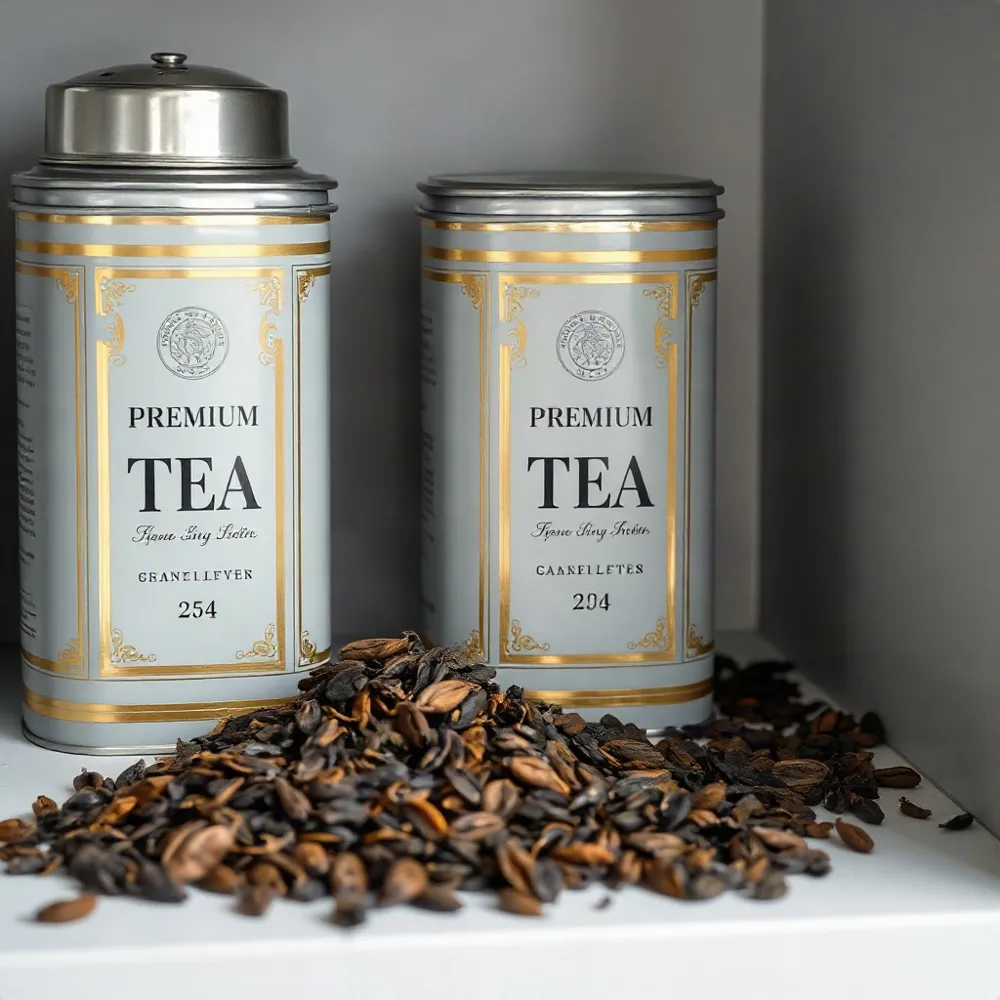
A tea leaf is a quiet keeper of its garden’s character, but air, light, heat, moisture, and strong odours can gradually change what reaches the cup. Knowing how each affects the leaves makes it easier to protect their aroma and flavour.
Oxygen can dull a tea’s fragrance and encourage further oxidation after processing. Delicate green and white teas are especially vulnerable, while more oxidised teas tend to be less sensitive. A study of sealed, opaque packages found that special-grade green tea stored at −20 °C retained more sensory quality over 12 months than samples kept at room temperature or 40 °C. The results apply to the particular tea and conditions tested, not every variety or household storage method (2024 green tea storage study).
Light and heat can also speed quality loss, changing a tea’s colour, aroma, or taste. Keep leaves away from sunny windows and warm spots near a stove or kettle. This care helps preserve the character of teas sourced by ZYANNA from small-scale growers across India’s tea-growing regions, including the distinctive early harvests of Darjeeling.
Moisture may leave leaves stale or clumped and, if conditions allow, contribute to mould. Tea also readily absorbs nearby scents, so spices, coffee, and strongly scented pantry goods can leave an unwanted trace. Keep varieties apart and use a clean, dry spoon when measuring them.
These simple precautions help maintain the fresh aromas that make each tea’s origin and craft worth lingering over. They preserve sensory quality, not a guaranteed health benefit; the pleasure lies in letting the garden’s character come through in the cup.
Choose a Clean Airtight Home
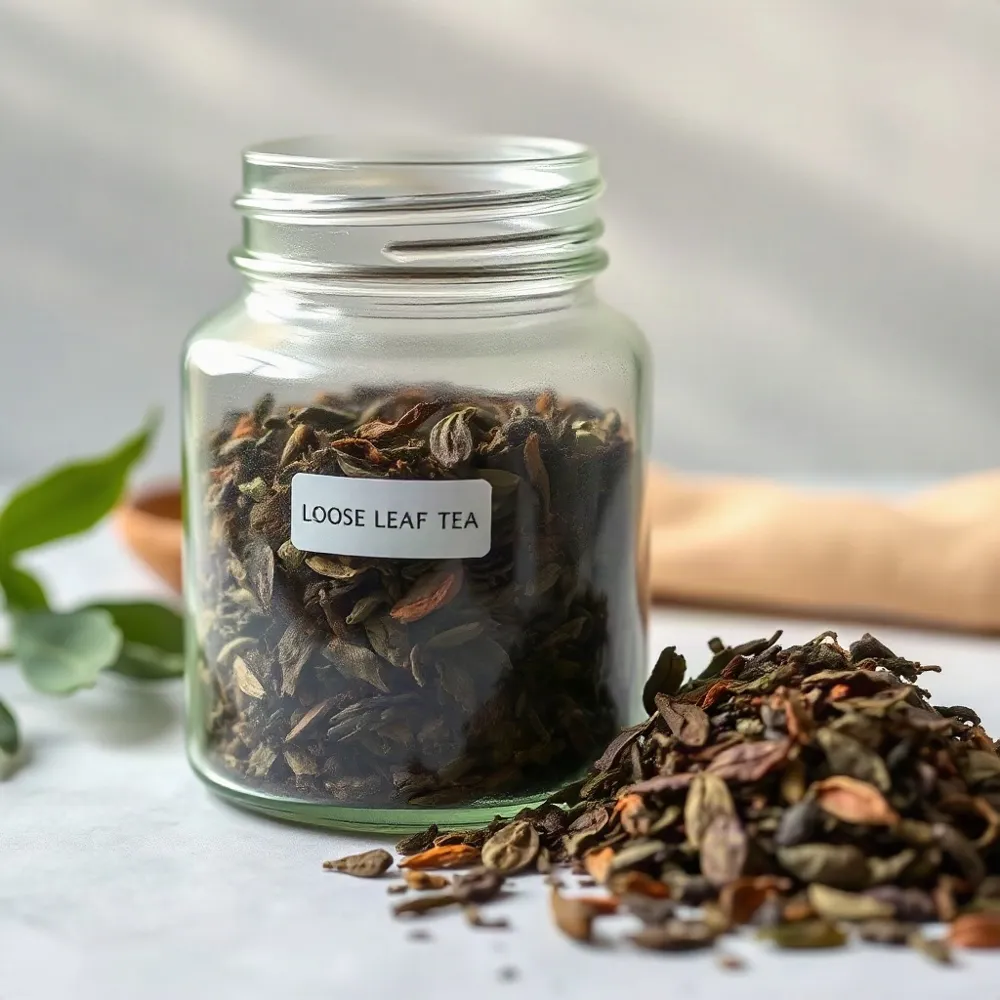
Once the familiar threats are understood, the container becomes the leaves’ first line of defense. Choose one that is clean, completely dry, and airtight to limit contact with air and moisture. An opaque stainless-steel tin is a practical choice because it also blocks light, helping protect the aromas gathered from garden to cup.
Lined glass can work well, too, provided the lid seals tightly. Clear glass lets light reach the tea, so keep it inside a dark cupboard rather than on a bright counter. Avoid porous materials such as untreated wood, which can absorb surrounding scents or pass their own aroma to the leaves. A container should be as quiet and neutral as the tea’s own fragrance.
The original package may be enough if it reseals securely and blocks light. If it does neither, transfer the tea to a suitable container rather than leaving it in a loose plastic bag for long-term storage. Keep each vessel free of lingering smells, especially after holding another tea or a strongly scented ingredient.
Before reusing a tin, remove any leftover tea and make sure the inside is fully dry. Rinse with water only when needed; detergent residue may affect the next tea’s aroma. This simple care suits the character of ZYANNA’s range, sourced from small-scale growers across India’s tea regions, where each harvest brings its own distinct notes.
Choose a container that fits the amount you usually open, so the leaves are not repeatedly exposed while you reach for a serving. Capacity labels in grams are only estimates: large, airy leaves take up more room than compact ones, even at the same weight. A well-fitting, clean home helps preserve the personality of every variety.
Find a Cool Dark Dry Place
Once tea is sealed away from air and moisture, its resting place matters. Choose a dark, dry cupboard or pantry with a steady temperature, away from sunlight and the warmth or steam of ovens, stoves, kettles, and hobs.
Storage advice varies: one recommendation places loose-leaf tea between 8°C and 18°C, while another suggests keeping it below 25°C. Rather than chasing one temperature for every tea and home, focus on avoiding heat and sudden temperature changes. A cupboard away from appliances is usually a more dependable choice than a spot that warms and cools throughout the day.
A kitchen counter beside the kettle or hob may seem convenient, but it exposes leaves to heat, humidity, cooking smells, and shifting conditions. The same care helps preserve the distinct character of ZYANNA’s teas, sourced from growers across India’s tea regions and offered in varieties shaped by different gardens and harvests.
Give each variety its own space, especially herbal and flavoured teas. Leaves readily take on nearby aromas, so storing them separately helps keep a fragrant blend from changing the gentle notes of a green tea or the malty character of a black tea. Keep strongly scented foods, spices, and coffee at a distance as well.
A 2024 study of special-grade green tea found that sealed, opaque samples stored at −20°C retained better sensory quality over 12 months than samples kept at room temperature or 40°C, under the study’s specific conditions. For everyday storage, a cool, dry, dark place with a steady temperature is a sensible home for most leaves.
Handle Leaves With Care
Thoughtful handling helps protect the aroma gathered from the garden. When measuring loose leaves, use a clean, completely dry spoon, then close the container promptly. Even a small amount of moisture can affect the leaves, so keep the spoon away from steam and never return brewed leaves to the storage tin.
If you buy a larger supply, divide it into smaller portions. Open just one portion at a time and keep the rest sealed, limiting how often the full supply meets air and kitchen humidity. This is a practical way to care for teas from ZYANNA’s small-scale growers, whose distinct harvest character is worth enjoying while fresh.
When transferring tea, label the container with its variety and purchase date. A simple label helps distinguish a delicate green tea from a richly oxidised black tea, and makes it easier to use older stock first. Keep the original package information nearby if it includes brewing guidance or a best-before date.
Buy an amount you expect to enjoy in the near term rather than building a crowded cupboard of open teas. Freshness changes at different rates depending on the tea and how it is stored, so let aroma and taste guide you as well as the calendar. For packaged tea, follow the date on the pack, and seal it carefully after each use.
These small habits leave more room for the leaves’ own story to come through, from the character of a first-flush harvest to the gentle fragrance of a floral blend.
Tailor Storage to Each Tea
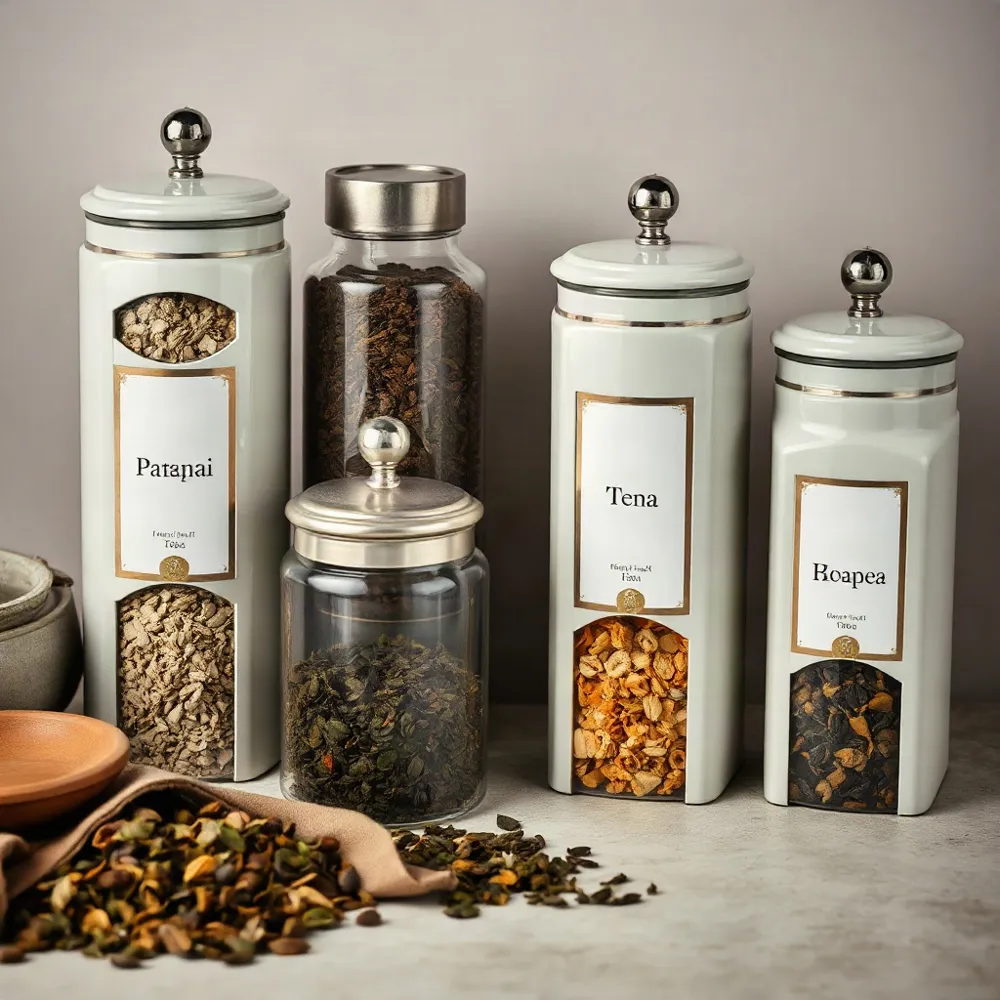
Tea varieties do not all age in the same way. Green and white teas are delicate and more prone to oxidation, so keep them well sealed in a cool, dark, dry place and enjoy them sooner than more robust teas. For ZYANNA’s garden-sourced teas, matching storage to the leaf helps preserve the aromas shaped by each harvest.
Black tea is generally more resilient, but it still benefits from protection. An airtight container kept away from heat, light, moisture, and strong odours helps retain its aroma. Oolong also needs a good seal against air and moisture, while herbal and flavoured teas are best stored apart from other varieties so their distinctive scents do not mingle.
Cold storage calls for care rather than a single rule. Refrigeration is generally discouraged for ordinary tea because moisture and nearby food odours can affect the leaves. Matcha is a notable exception sometimes kept in the refrigerator, as are some rare or high-grade green teas, but only when sealed airtight and handled carefully. Matcha is especially vulnerable to moisture, so let a sealed container come to room temperature before opening it to reduce the risk of condensation.
Pu-erh is another special case. As a traditionally aged tea, it may benefit from a more breathable environment than a fully airtight container. Its storage needs differ from those of fresh green or white tea, so avoid applying one method to every tea in the cupboard.
Freezing is not a routine household solution: taking tea out of cold storage can cause condensation, introducing moisture to the leaves. A 2024 study of green tea storage offers one example of how storage conditions can affect tea quality. Its results apply to the particular tea and test conditions, not every variety or home-storage method. For most teas, a cool, dry, dark cupboard remains the simpler choice.
Know When Tea Has Lost Its Spark
A calendar can offer guidance, but it cannot tell the whole story. How long tea keeps its character depends on the variety, packaging, and storage conditions. Properly stored loose-leaf tea may retain its quality for several months to a year, while some storage advice suggests using an opened supply within about 3 to 6 months for its best freshness.
Broader estimates put optimal flavour at around 1 to 1.5 years for well-kept tea. Green and white teas are often best within 6–12 months, while black tea generally lasts longer. These are useful ranges, not guarantees: a warm or humid cupboard can shorten them, while careful storage may help preserve a tea’s aroma. The 2024 study of green tea storage is one example of why these ranges are only a guide; its results apply to the tea and sealed packaging tested.
Packaging matters, too. Tea bags may lose aroma sooner, especially when they are not individually wrapped, so check the package date and storage instructions. For the distinctive character of teas sourced by ZYANNA from small-scale growers, a date is best treated as a guide to enjoying each harvest while its fragrance and flavour are still present, not as an automatic reason to discard it.
Before brewing older tea, pause to smell the dry leaves. A much-diminished aroma or a flat, weak cup can signal that its best days have passed. Dampness or clumping in loose leaves is a warning sign, not simply a loss of fragrance, and the tea should be set aside. Otherwise, trust your senses: if the leaves smell pleasant and brew well, enjoy the cup.
Let the Garden’s Character Shine
A dry spoon, a well-sealed container, and a cool, dark cupboard are small habits that help keep a tea’s aroma close to the character it carried from the garden. They also make it easier to enjoy each variety as it was meant to be brewed, without inviting moisture or stray kitchen scents into the leaves.
The care behind ZYANNA teas begins with growers and harvests across India’s tea regions. Its direct sourcing from small-scale growers helps each leaf bring a sense of place to the cup, from the brisk brightness of a Darjeeling first flush to the warmth of a carefully blended infusion. Thoughtful storage respects that work, though no container can hold a tea’s freshness indefinitely.
Keep portions easy to reach, close the container promptly, and let the leaves be part of your daily ritual rather than a forgotten store-cupboard treasure. If you are enjoying a delicate green tea, the study of green tea storage temperature discussed above is a reminder that careful storage helps protect a tea’s character; its findings apply to the particular tea and conditions tested.
Brew your teas in good time, and take a moment to notice their changing aromas and flavours. Each cup offers a quiet connection to the hands that tended the bushes, the season of harvest, and the landscape that shaped the leaves.


