


Essential Tools for Starting Your Tea Journey Today
Begin With the Pleasure of Tea
A first cup of loose-leaf tea does not call for a cupboard full of equipment. Good tea, hot water, a cup, and a way to strain the leaves are enough to begin. A roomy mug infuser makes a single serving easy, while a teapot suits a slower moment shared around the table.
Think of brewing tools as helpful companions, not prerequisites. Choose what fits your daily rhythm, then let the leaves and water do their work. For more ideas on keeping a first brew simple, see this guide to brewing your first cup.
The leaves themselves bring the deeper story. ZYANNA sources tea directly from small-scale growers across the Himalayan region, Assam, and other Indian estates, honoring the character of each harvest and the people who tend it. A prized first-flush Darjeeling or a comforting everyday blend can be enjoyed in an ordinary cup; no special vessel is needed to appreciate its aroma and heritage.
Begin with the kind of tea you enjoy and a simple way to brew it. As your tastes grow, you can add tools that suit the ritual, whether that means a precise kettle for delicate leaves or a pot for welcoming guests.
Build a Simple Everyday Brewing Kit
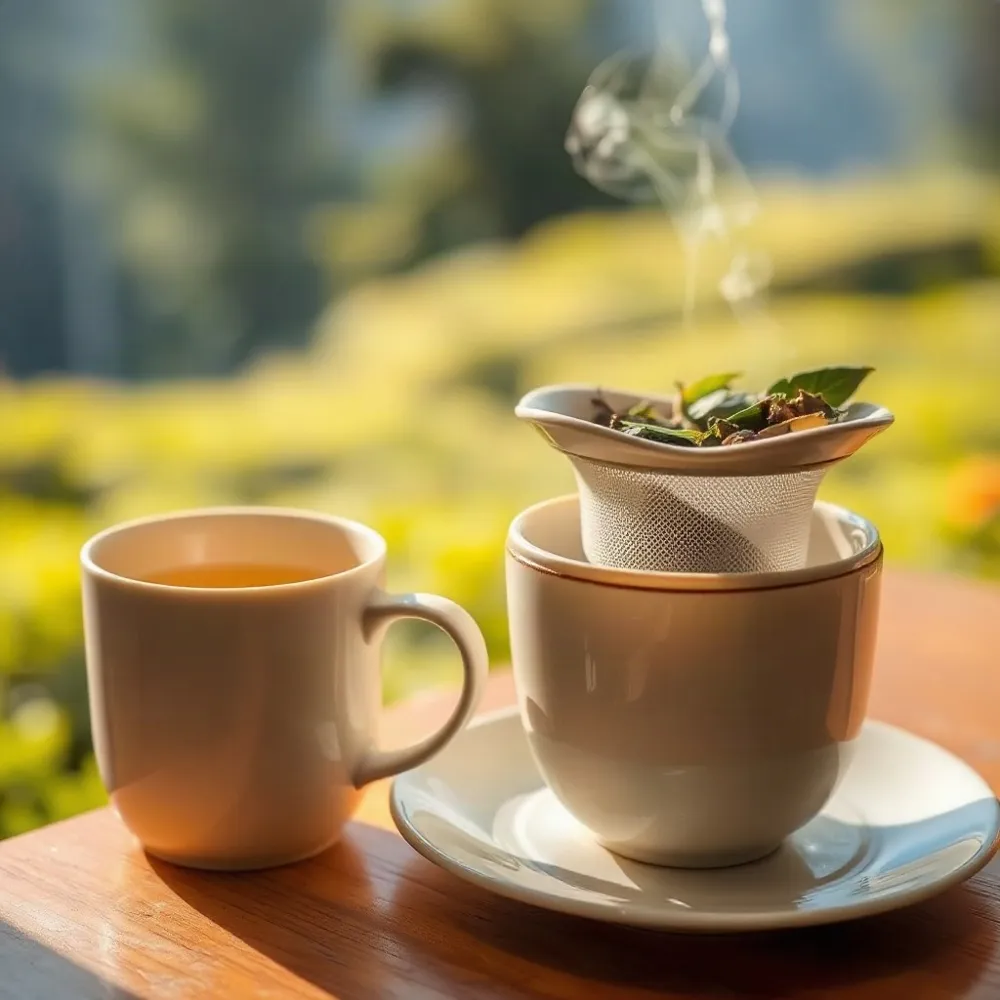
A useful loose-leaf setup can be modest: a way to heat water, a cup, tea, and an infuser or filter to separate the leaves when brewing is done. The leaves need room to open, and a removable infuser makes it easy to stop steeping once the flavor suits you. A roomy tea steeper can be a practical starting point for brewing one cup.
You can heat water in a saucepan, though pouring from one may feel awkward. A stovetop kettle is easier to pour, while an electric kettle is often faster. If you brew different kinds of tea, temperature settings may help; electric kettle features such as adjustable heat and capacity are worth weighing against your routine.
Nearly any cup or mug can serve. You can steep the leaves in a separate vessel, then pour the tea into your cup, or place an infuser directly inside it. For a straightforward walkthrough of the first brew, see ZYANNA’s beginner brewing guide.
There is no need to buy a full collection at the outset. Start with what you already own, then add a tool if your habits call for it. If your daily cup begins with tea sourced directly from small-scale growers, as ZYANNA’s collection does, a simple brewing kit lets the character of each harvest take center stage.
Choose a Kettle That Fits Your Routine
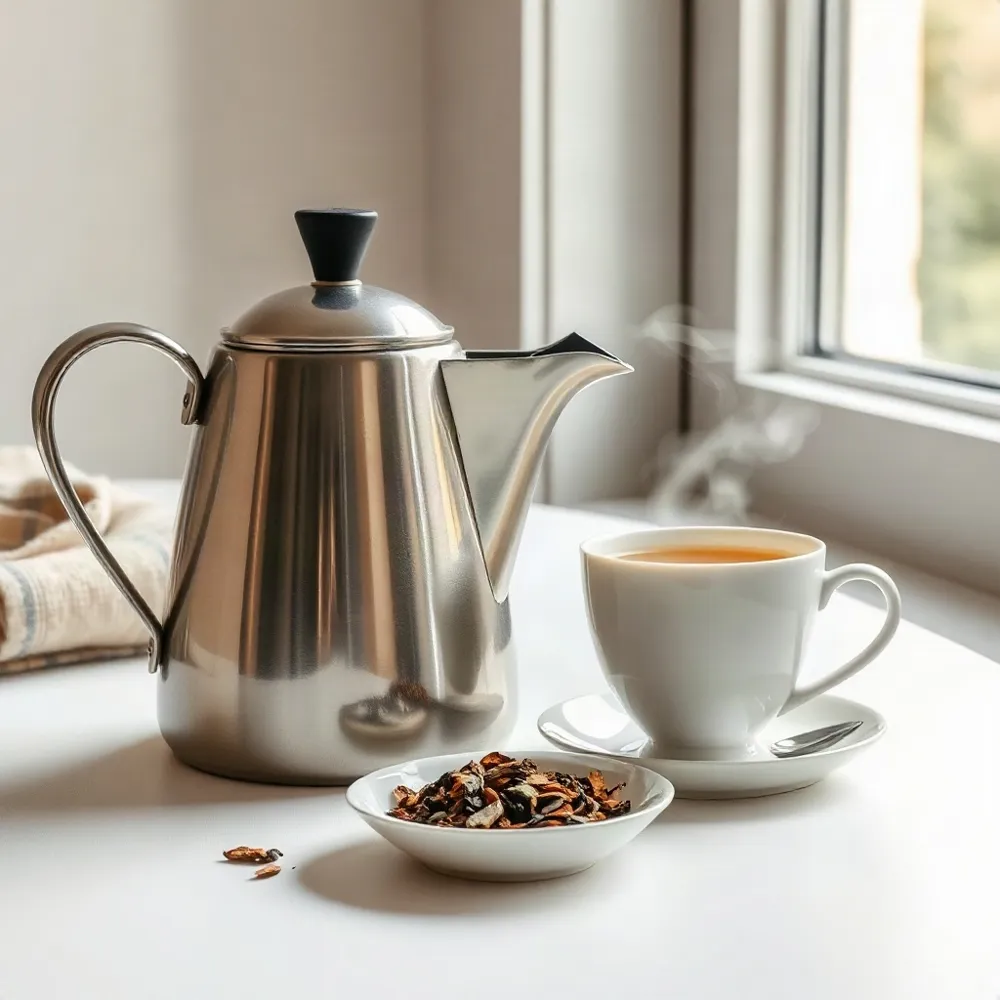
Water temperature shapes what the leaves release into your cup. Water that is too hot can bring out bitterness, especially in delicate teas, while a suitable temperature helps preserve their softer aromas. ZYANNA’s teas come from small-scale growers across India’s tea regions, and matching the water to each harvest is a simple way to appreciate its character.
An adjustable-temperature kettle can make that match easier and help you repeat a brew you enjoy. It is particularly useful as you explore green, white, or oolong teas that may call for water below boiling. ZYANNA’s brewing guide offers a starting point for adjusting temperature and steeping to suit different leaves.
Choose capacity around your habits: a smaller kettle may suit a single daily cup, while a larger one is handy when serving family or guests. Look for controls that feel straightforward and a handle and spout that make pouring comfortable. A keep-warm setting can help if you expect to return for another cup, but it is not essential for everyone.
A standard spout is generally all you need for tea. Gooseneck kettles are designed chiefly for the controlled pour used in pour-over coffee, so that shape is a preference rather than a tea requirement. When choosing an electric kettle, compare features such as temperature settings, capacity, pouring comfort, and warming functions.
A simple boil-only kettle is still a perfectly practical choice, especially if most of your cups use boiling water. Presets can make it less of a guess when you want to try several tea styles, but they are an added convenience, not a condition for enjoying good tea.
With regular use, mineral scale can collect inside a kettle. Follow the maker’s cleaning instructions and descale it as needed to keep it working well and avoid residue affecting the water’s taste.
Find an Infuser for a Single Cup
For a quiet cup between tasks, a simple infuser can bring loose leaves to the mug without adding much fuss. A classic tea ball is compact and easy to use, while a basket-style infuser sits in the cup and often gives the leaves more room to open.
That space matters, especially for larger leaves such as Darjeeling or oolong. A small tea ball packed tightly with leaves can limit their movement, while fine teas such as rooibos may slip through wider openings. A roomy basket with fine mesh is a practical middle ground, though no infuser catches every fine particle.
Stainless steel is a common choice because it is durable and easy to clean. Look for a basket that lifts out of the mug, so you can stop the steep when the tea is ready. A lid helps retain warmth while the leaves infuse, then can serve as a drip tray when you remove the basket. Reviews of tea steepers can offer a useful comparison of everyday designs.
A scoop-and-infuser combines measuring and steeping in one tool: scoop the leaves, attach the mesh, and place it in hot water. It can be handy at home or at work, particularly when you want to avoid reaching for separate equipment. For a simple cup, the most useful design is usually the one that is comfortable to fill, remove, and rinse.
The leaves in a cup carry the character of their growing place. ZYANNA sources teas directly from small-scale growers across the Himalayan region and Assam, including prized first-flush Darjeeling, so a roomy infuser gives those leaves space to open as they steep. Choose a size that fits your mug, and empty it after brewing to keep the next cup clean and fresh.
Make a Teapot Work for Sharing
When a quiet mug becomes tea for the table, a teapot makes serving several people easier. It can also suit a batch prepared ahead, as long as the leaves can be separated from the water once the tea has steeped.
Choose a pot for the amount you expect to pour, rather than the largest one on the shelf. If brewed tea sits with the leaves, it keeps steeping and may turn bitter before everyone has a cup. A removable infuser basket or built-in strainer gives you a simple way to lift out the leaves or hold them back as you pour.
A glass teapot brings a little theater to the ritual: you can watch the leaves open and see the color deepen. Its broad body gives leaves room to unfurl, and the view is especially lovely with flowering teas. For tea sourced directly from small growers, the changing color and shape of the leaves can make the harvest feel close at hand. ZYANNA’s collection includes teas from Himalayan gardens and Assam, with each cup offering its own character.
One practical combination is heat-resistant glass with a stainless-steel strainer. A wide opening is useful too, since it makes the pot easier to empty and clean after serving. Keep the design simple enough that it is pleasant to use every day, not just when guests arrive.
Before brewing, warm the pot by swirling in a little hot water, then pour it away. A cold vessel can draw heat from the brewing water, while prewarming helps the tea begin steeping closer to the intended temperature. This small step asks little of the host, yet makes a shared pot feel considered.
For another look at choosing a vessel and steeping loose leaves, see ZYANNA’s beginner guide to brewing gourmet loose-leaf tea.
Match the Vessel to the Tea
The right vessel can bring out a tea’s character, but there is no need to build a collection before you begin. ZYANNA offers more than 150 teas, including Darjeeling, green tea, oolong, matcha, and herbal blends, all sourced directly from farms with a focus on premium quality and sustainability. Choosing a pot that suits the cup you are making can be part of the pleasure, and knowing that your tea is sustainably sourced adds to the experience.
Glass and porcelain are neutral-tasting choices for many teas. A glass pot lets you watch leaves unfurl and follow the color of the liquor as it steeps, a simple pleasure that highlights the quality of your brew. Porcelain holds heat somewhat better, which can be useful when you want the brew to stay warm while you take your time.
Glazed ceramic and stoneware also suit a wide range of everyday teas, with surfaces that do not readily take on the flavor of one brew and bodies that retain heat well. Unglazed clay behaves differently: it can absorb aromas over time. If you enjoy a varied tea shelf, keep an unglazed clay pot for one style rather than moving between delicate green tea and a fragrant, full-bodied blend.
Traditional vessels offer another way to explore, though neither is essential for a satisfying cup. A gaiwan consists of a bowl, lid, and saucer; tea steeps in the bowl, then the lid helps hold back the leaves as you pour. A kyusu is a Japanese teapot especially associated with green teas such as sencha and gyokuro. These forms invite a slower, more attentive ritual, but a familiar mug and infuser remain perfectly suitable for daily brewing.
Matcha calls for a different method because it is powdered tea, whisked into hot water rather than steeped and strained. Traditionally, a bamboo spoon measures the powder and a bamboo whisk blends it into a smooth, foamy drink. Matcha offers a distinctive flavor and a hands-on preparation ritual for tea lovers. You can add these tools when you are ready to explore matcha, including the varieties in ZYANNA’s collection, rather than buying them before you know the ritual suits you.
Let the tea and the moment guide your choice. A transparent pot may make a delicate leaf a pleasure to watch, while a familiar ceramic cup may be all you need for a quick morning brew. Specialty vessels can come later, as your tastes grow and you find new teas worth lingering over.
Make Brewing Consistent Without Fuss
A cup you enjoy is worth repeating, and a little attention to leaf quantity and steeping time can help. Start with the brewing guidance supplied for the tea, then adjust the amount or timing to suit your taste. ZYANNA’s collection spans teas from small growers across India’s Himalayan region and Assam, with each harvest bringing its own character.
A measuring spoon and a simple timer can make the process easier to repeat, but neither is essential. Keep the routine comfortable: note what you used when a cup turns out especially well, and change one detail at a time if you want a stronger or lighter brew.
A removable infuser gives you a clear way to end steeping. Lift it out when the tea reaches the strength you like, so the leaves do not continue brewing in the cup. For a first setup, try a mug infuser or scoop-infuser; if you begin serving others, a teapot with an integrated strainer makes it easy to brew a larger amount and separate the leaves.
A removable infuser mug can also travel well as part of a portable tea routine. For tea brewed at home and carried along, an insulated travel mug helps keep it hot. ZYANNA’s guide to brewing your first cup offers a simple starting point, with no elaborate equipment required.
Protect the Freshness of Your Tea
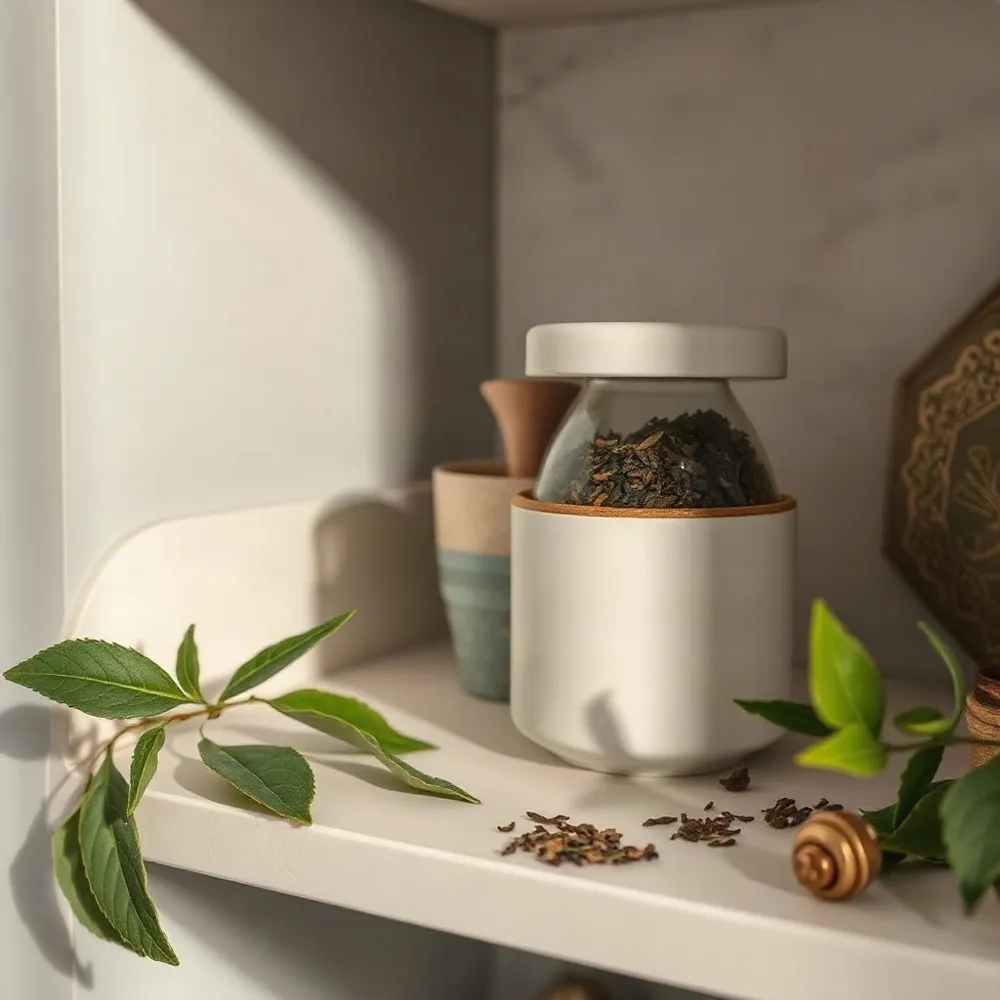
Tea’s fragrance is part of its pleasure, and small changes in how it is stored can affect what reaches the cup. Time, heat, light, air, humidity, and strong odors all influence a tea’s aroma and flavor, so thoughtful storage helps preserve the character of each leaf.
Choose a cool, dark cupboard, well away from the stove, a sunny window, or other warm spots. A sealed, opaque, waterproof container helps limit contact with air, light, and moisture. Food-grade stainless steel, glass, or ceramic can all work; the important thing is a secure seal and a place away from scented items.
Tea readily absorbs nearby aromas, a quality that makes scented teas possible but can also let unwanted smells linger in the leaves. Keep your tea apart from spices, coffee, and strongly scented pantry goods so the cup reflects the tea itself.
Avoid refrigerating tea once its package has been opened. Moisture can condense inside the container, and the leaves may take on odors from other foods. Freshness does not last for the same length of time for every tea: the variety, how it was processed, and storage conditions all matter. Follow any storage guidance on the package, and keep only the amount you expect to enjoy soon within easy reach.
That care complements ZYANNA’s focus on freshness, from sourcing tea directly from small growers to moving it from garden to cup quickly. Once the tea is home, a well-sealed container and a cool, shaded shelf help protect its distinctive harvest character.
For a first cup or a fuller guide to preparing loose leaves, ZYANNA’s beginner guide to brewing gourmet loose-leaf tea offers practical brewing pointers alongside storage care.
Let the Ritual Grow With You
A satisfying cup can begin with very little: tea you enjoy, hot water, and a suitable way to steep and separate the leaves. The tools matter less than the pleasure of pausing to make a cup that suits you.
As your tastes change, your brewing kit can grow at its own pace. A temperature-control kettle may help when you want to explore delicate teas, while a glass teapot makes sharing a pot part of the occasion. A vessel made for a particular tea style can come later, when curiosity leads you there. There is no need to buy everything at once.
Let each new cup be an invitation to notice what you like: a bright first flush Darjeeling, a comforting black tea, or a gentle herbal infusion. ZYANNA’s collection brings together teas sourced directly from small-scale growers across India’s Himalayan region, Assam, and other estates. Exploring those leaves can connect everyday flavor with the people and places behind it. Over time, a simple brew becomes a personal ritual, shaped by your own palate and the heritage carried in each cup.


