


The Environmental Impact of Choosing Organic Tea Leaves
The Heritage and Heart of ZYANNA Tea
At ZYANNA, we believe that every cup of tea tells a story of the land and the people who nurture it. As curators of over 150 unique varieties, we bridge the distance between fertile Himalayan estates and your home, ensuring that the tea you enjoy is as authentic as it is refined. By sourcing directly from small-scale growers, we prioritize fair-trade practices that honor the traditional craft of tea cultivation while delivering a level of freshness that standard commercial options often overlook.
For the mindful, health-conscious consumer, the choice of tea is an act of self-care. Because tea leaves are minimally processed and consumed directly, the absence of synthetic chemicals is essential for both your well-being and the environment. While conventional monoculture farming can deplete soil health and harm biodiversity per Mongabay, organic tea cultivation actively restores balance. By avoiding synthetic pesticides and fertilizers, these farming methods foster resilient ecosystems that protect local pollinators and promote soil fertility, as noted in recent research on organic tea cultivation.
Choosing high-quality, sustainably sourced tea means more than just enjoying a superior flavor profile. It is a commitment to preserving India’s tea landscapes for future generations. Whether you are steeping our delicate Rose Black Tea or exploring our seasonal harvest, you are supporting a circular model that values ecological stewardship and the livelihoods of independent farmers. We invite you to explore the rich history of these gardens on zyanna.com and experience how conscious tea selection can transform your daily ritual.
Direct Sourcing and the ZYANNA Difference
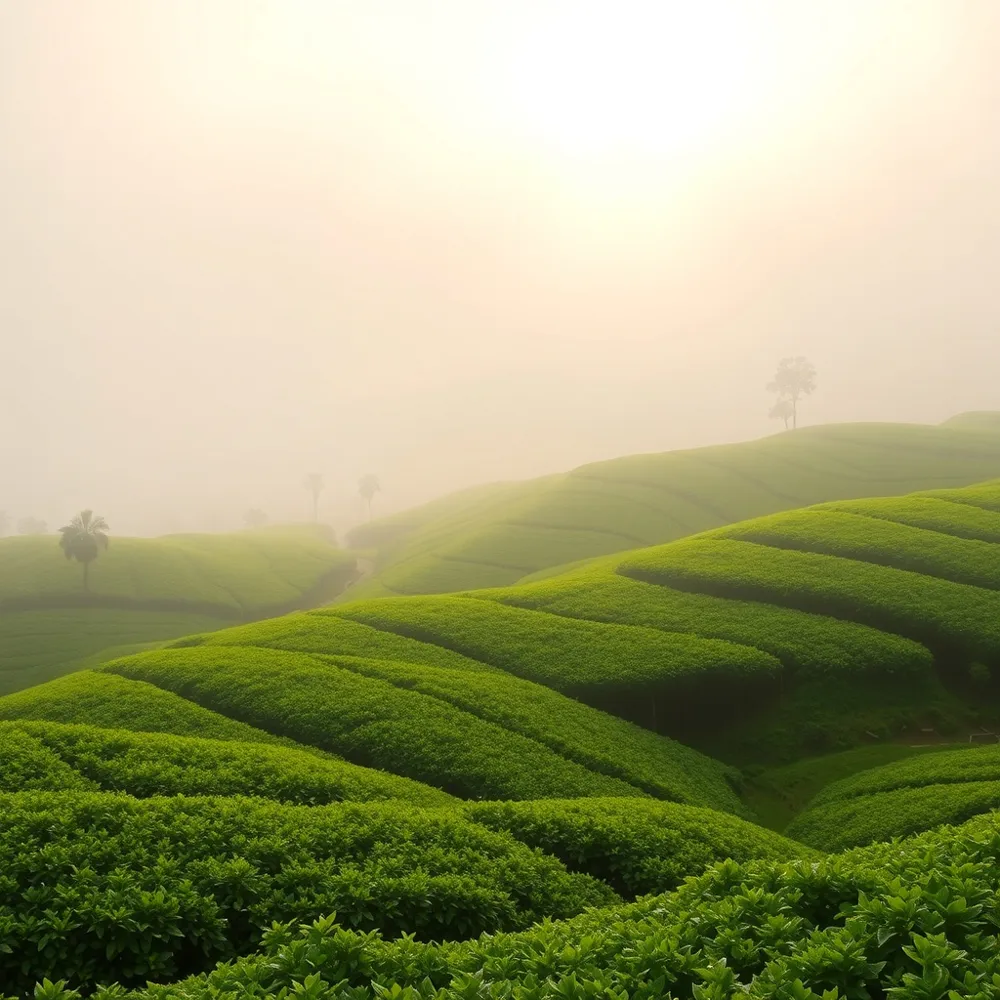
At ZYANNA, we believe the journey from garden to cup should be intimate and purposeful, which is why we bypass traditional middlemen to source our teas directly from small-scale growers in the Himalayas and Assam. Unlike mass-market brands that rely on long, impersonal supply chains, our direct partnerships ensure total transparency, allowing us to deliver the freshest first flush harvests directly to your home. By removing unnecessary intermediaries, we not only preserve the authentic character and natural vitality of every leaf but also ensure that our hard-working tea farmers receive the fair compensation they truly deserve.
This commitment creates a unique, traceable experience that honors India’s rich tea heritage while providing our community with premium quality that mass-produced options simply cannot replicate. In the broader tea industry, digital traceability and direct-to-consumer sales are increasingly recognized as vital tools for producers to capture more value and reduce reliance on unstable market concentrations. For smallholder tea farmers, who often face significant financial risks in traditional commodity systems, this direct approach offers a pathway to economic stability. Each cup you enjoy is a testament to our dedication to sustainability, freshness, and the deep, cultural story behind every brew.
Rooted in Sustainability: Preserving India’s Tea Estates
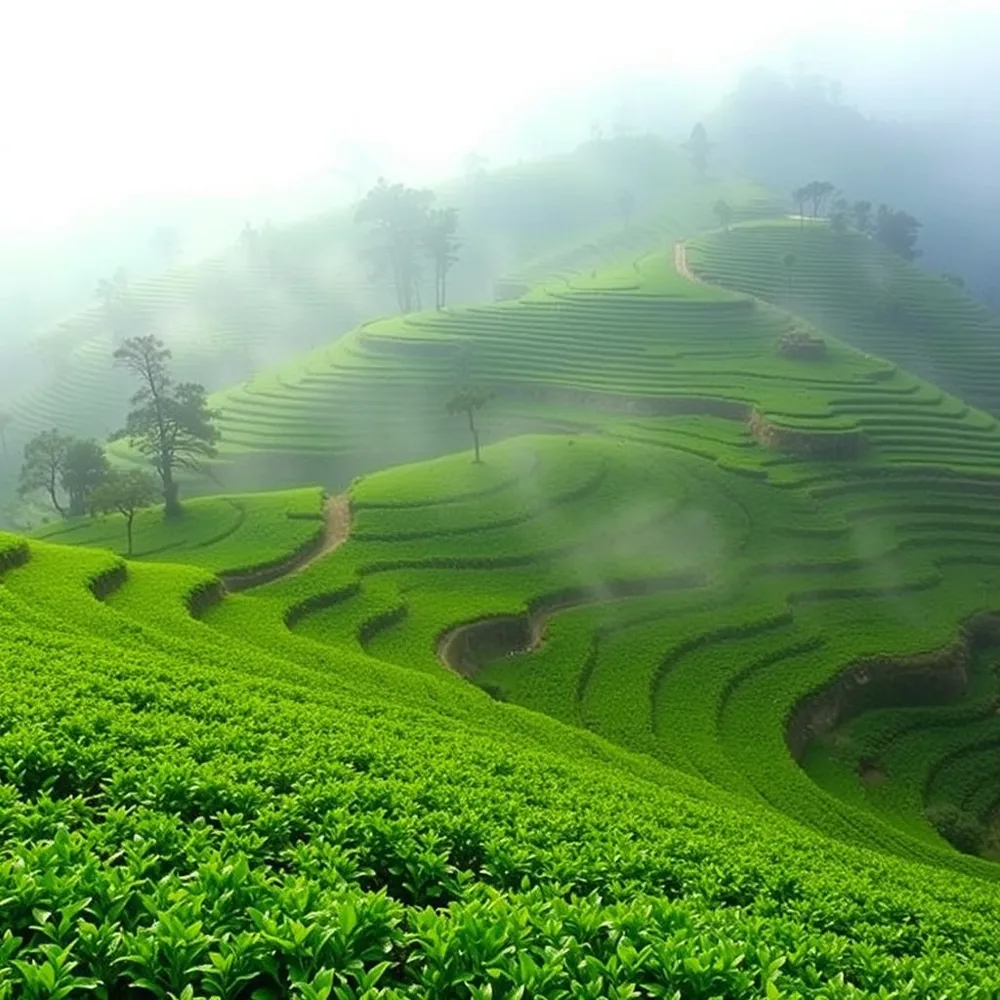
At ZYANNA, we believe that true sustainability begins at the roots, which is why we foster direct, long-term partnerships with small-scale growers across India’s most cherished tea regions. By removing unnecessary middlemen, we ensure that our farmers receive fair compensation for their labor, empowering them to prioritize the health of their land over high-volume industrial yields. This direct-trade model allows our growers to preserve traditional, earth-friendly cultivation methods that have been passed down through generations. We are deeply invested in protecting the unique ecosystems of the Himalayas and Assam, ensuring the environment remains vibrant and fertile for the future.
How does ZYANNA ensure the sustainability of its tea sourcing?
Conventional single-crop farming often relies on intensive chemical use, which can lead to soil degradation and the loss of native biodiversity. Unlike large-scale industrial plantations that may focus on rapid output at the expense of ecological stability, our partners use farming practices that work with nature to maintain a balanced landscape. By integrating native shade trees and avoiding chemical fertilizers, these growers create a mosaic habitat that supports pollinators and prevents the erosion common in chemically dependent fields.
Protecting soil health is essential to the longevity of these gardens. Organic methods, such as the application of compost and green manure, improve natural soil vitality and the soil’s ability to store carbon. While many conventional producers struggle with the environmental burden of heavy inputs, our commitment to supporting sustainable smallholders helps maintain a resilient ecosystem. Every cup you enjoy carries our promise of quality and our unwavering commitment to the well-being of the communities that make our heritage teas possible.
The Environmental Cost of Conventional Tea Production
While many enjoy the comfort of a warm cup, the conventional path from garden to kitchen often carries a hidden environmental price. Traditional tea production frequently relies on intensive, energy-heavy manufacturing processes that contribute to significant greenhouse gas emissions. In these large-scale operations, drying tea leaves serves as the most energy-demanding stage, consuming the majority of thermal energy and often requiring fossil fuels like coal or firewood.
Beyond energy usage, the reliance on monoculture farming and synthetic agrochemicals poses a persistent threat to land health. The heavy application of chemical fertilizers and pesticides can lead to soil degradation, where the natural biological vitality of the earth is slowly stripped away. When these fertilizers leach into nearby waterways, they often cause eutrophication, disrupting aquatic ecosystems and harming local wildlife. Unlike the high-intensity methods used by mass-market producers, ZYANNA prioritizes small-scale, sustainable partnerships that work in harmony with the landscape rather than depleting it.
Shifting toward regenerative agriculture and circular, organic methods offers a hopeful way forward. By adopting practices such as using on-farm organic waste to create natural fertilizers, growers can reduce their reliance on inorganic chemicals by as much as 68%. Furthermore, a transition to renewable energy sources, such as solar or biomass, is becoming increasingly essential to mitigate the carbon deficit found in conventional estates. Embracing these sustainable habits allows us to enjoy our daily ritual with the peace of mind that our choices are actively protecting the earth for future generations.
Revitalizing Soil Health Through Organic Stewardship
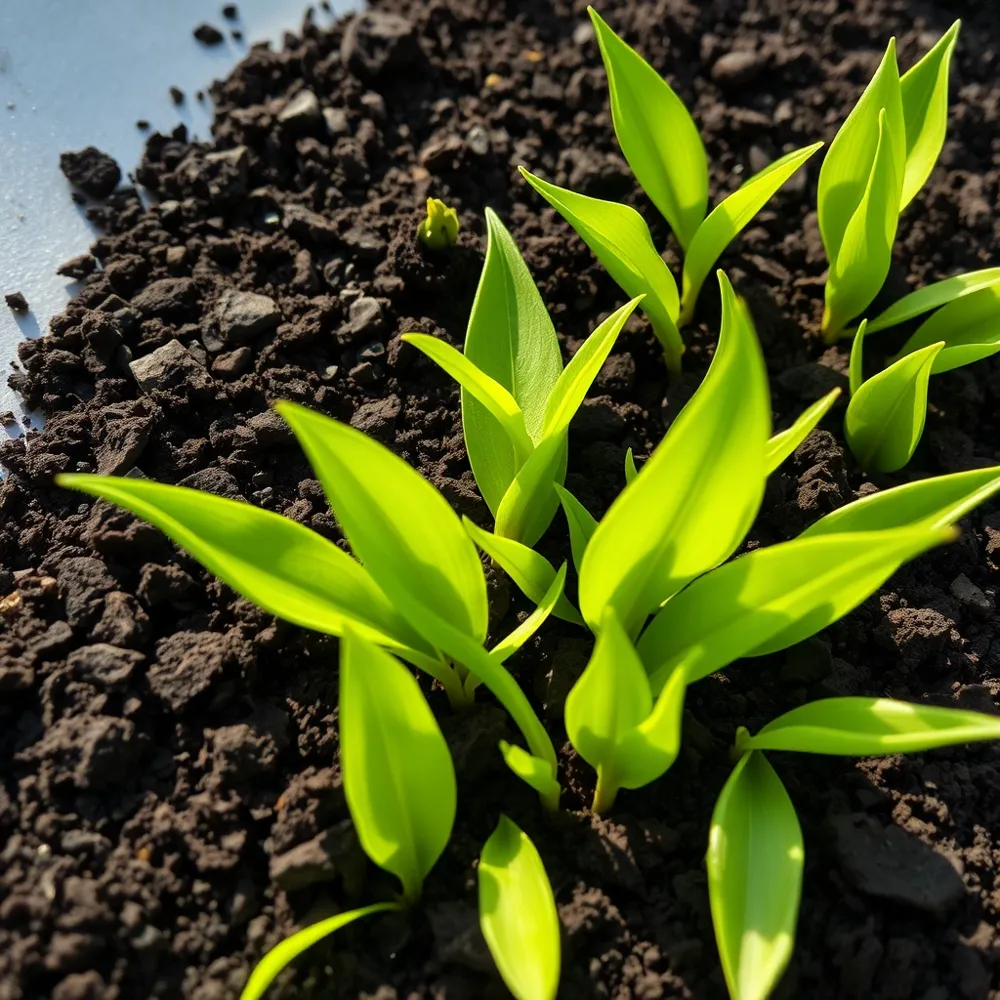
True quality in a cup begins long before the first leaf is plucked. At ZYANNA, we prioritize the health of the earth by championing organic stewardship, which rejects synthetic fertilizers and harmful pesticides in favor of nature-led cultivation. This transition is a serious commitment, requiring a three-year conversion period from the last use of synthetic inputs to ensure the soil is fully purged of chemical residues.
To revitalize the land, our partner growers rely on nutrient-rich organic inputs. By integrating compost, green manure, and charcoal-like soil enhancers, farmers dramatically improve soil structure and its ability to hold air and water. These methods move the soil acidity toward the optimal range for tea, creating a thriving environment where tea plants can develop stronger immunity and deeper roots.
Managing pests naturally is equally essential to maintaining this delicate balance. Instead of synthetic sprays, our smallholder partners utilize preventative strategies such as resistant clones and natural predators. This natural farming method supports local biodiversity, including essential pollinator populations that call our Himalayan and Assamese estates home. By nurturing the soil rather than forcing it, ZYANNA ensures that every premium tea variety we share with you carries the vibrant, authentic character of a healthy, protected landscape. Our direct relationships with smallholder farmers in the Himalayas and Assam mean that every step from soil to cup is carefully managed, ensuring the highest quality and sustainability.
Nurturing Your Well-being with Every Cup
Tea is a beautiful, centuries-old ritual that nurtures both body and soul. By incorporating ZYANNA’s diverse varieties—from our antioxidant-rich classic Darjeeling to vibrant matcha and soothing herbal blends—you invite natural polyphenols into your day that are widely celebrated for supporting heart health and overall vitality. These gentle, plant-based infusions offer a wholesome way to refresh your routine, whether you are seeking a focused morning energy boost or a tranquil, caffeine-free wind-down.
What are the health benefits of incorporating ZYANNA’s diverse tea varieties into my daily routine?
Research into organic tea cultivation shows that avoiding synthetic agrochemicals helps preserve beneficial functional components like catechins and epigallocatechin gallate (EGCG). Because we source our teas directly from small-scale Himalayan and Assam growers, you enjoy the freshest harvests, ensuring every cup retains more of these vital compounds than mass-market alternatives often subjected to prolonged storage and industrial processing. Embracing our tea as part of your daily rhythm is a simple, heritage-inspired gift to your long-term well-being.
Celebrating the Art of the First Flush Harvest
The "first flush" is celebrated as the pinnacle of the harvest season because it marks the very first plucking after the quiet winter dormancy, when nature breathes new life into the tea bushes. These tender, young leaves are cherished by tea lovers for their remarkably light, floral, and vibrant character that captures the pure essence of spring in every cup. Because they are the season's inaugural growth, these leaves offer a delicate, brisk infusion that is uniquely aromatic and bright.
Why is the 'first flush' harvest considered the most prized for tea lovers?
At ZYANNA, we take special pride in sourcing these prized harvests directly from our heritage estates, ensuring you receive the freshest possible leaves. This exclusivity and rare, lively flavor profile make the first flush a truly special experience for those who appreciate the artistry of a perfectly crafted tea. While industrial producers often blend harvests to maintain uniformity, our commitment ensures that each first flush retains the individual signature of its specific garden and terroir.
Scientific research highlights that the unique quality of tea is heavily influenced by the interaction between the plant's root system and its local ecology. By working directly with small-scale growers who utilize sustainable, organic methods, we preserve this delicate relationship. This thoughtful stewardship results in higher concentrations of beneficial compounds, such as catechins and polyphenols, providing a healthier, more complex cup compared to conventional monoculture varieties that may suffer from chemical intervention or soil degradation.
Biodiversity in the Tea Landscape
True vitality in a cup of tea relies on the health of the entire landscape where it grows. Conventional monoculture farming often clears native vegetation to create vast, uniform fields, which can unintentionally reduce biodiversity and leave tea bushes vulnerable. At ZYANNA, we champion a different approach that honors the natural rhythm of the Himalayan and Assamese estates we partner with.
By integrating agroecological practices, these gardens move away from strict monocultures toward a stable, mosaic ecosystem. The inclusion of native shade trees provides critical habitat and shelter for diverse species, including pollinators like bees that are essential for long-term agricultural health. When estates retain remnant forests and riparian corridors, they provide vital refuges for endemic and threatened flora and fauna that might otherwise vanish from the landscape.
These pockets of natural habitat act as sanctuaries that protect local wildlife while allowing tea plants to thrive in a balanced, self-regulating environment. Unlike industrial operations that rely on heavy chemical inputs, these diverse agro-systems support natural insect predators that naturally manage pest populations. This holistic management style ensures that your daily ritual supports a thriving, living ecosystem, preserving the natural beauty of India's tea heritage for generations to come.
A Sustainable Future in Your Teacup
Every cup you brew holds the power to shape the future of India’s tea landscapes. By choosing high-quality, responsibly sourced harvests, you directly support the small-scale growers who maintain the ecological balance of our gardens. While large-scale monoculture plantations often rely on intensive chemicals that degrade soil health, ZYANNA prioritizes agroecological methods that preserve biodiversity and soil vitality.
Adopting a conscious approach to your daily ritual means more than just savoring a fine Rose Black Tea. It represents a commitment to protecting the regions where our tea thrives, from the mist-covered slopes of the Himalayas to the fertile plains of Assam. Regenerative practices and circular solutions, such as using on-farm organic waste to reduce chemical reliance by up to 68% per Mongabay, are essential for lasting resilience.
We invite you to join us in honoring the heritage of these lands. Your preference for premium, sustainably produced tea ensures that these gardens remain vibrant havens for wildlife and communities alike. Together, we can nurture a tradition that celebrates both exquisite taste and our shared environmental legacy.


